
Christmas card
A Christmas card is a greeting card exchanged at Christmastime, with designs and messages reflecting holiday themes, historical roots in the 19th century, and modern variations including charity and electronic cards.
A Christmas card is a greeting card traditionally sent to friends, family, colleagues, or acquaintances to convey seasonal good wishes around Christmas. These cards typically combine imagery, printed messages, and personal notes to celebrate the holiday and express sentiments such as joy, peace, and goodwill. While the form and distribution have evolved, the fundamental purpose remains communicative: to mark the season and maintain social ties.
Image gallery
10 Images


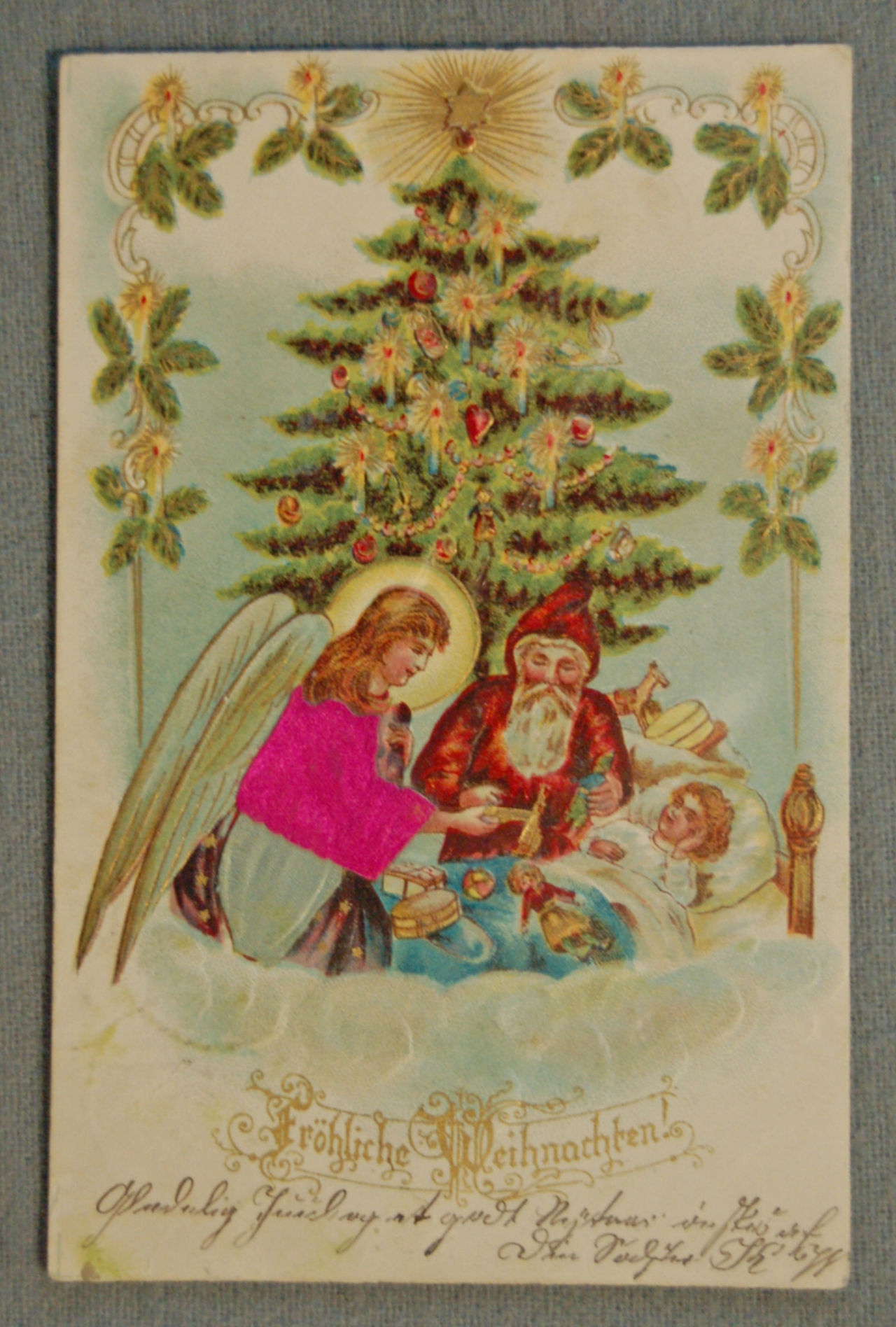

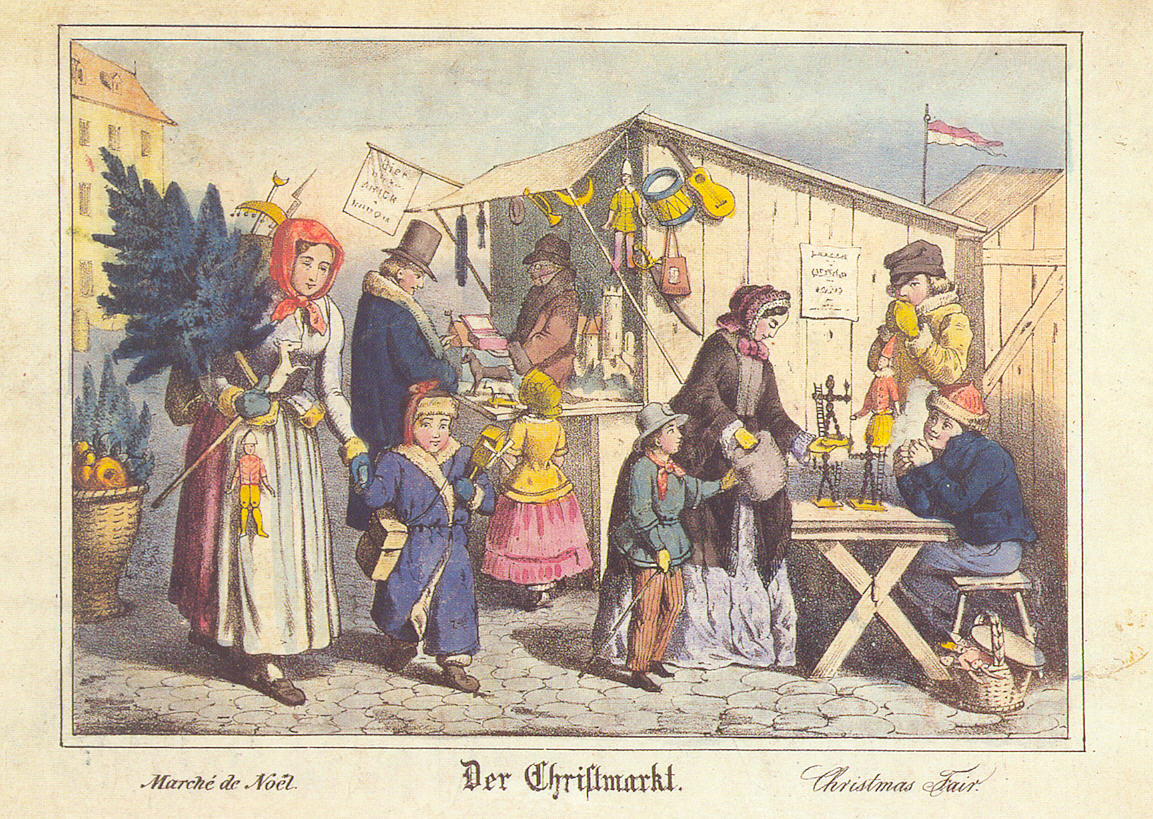
Characteristics and common elements
Design motifs commonly found on Christmas cards include nativity scenes, religious symbols, evergreen trees, holly, winter landscapes, Santa Claus, angels, and festive typography. Messages range from formal religious greetings to secular or humorous lines. Cards may be mass-produced or handcrafted, printed on a variety of papers, embellished with foil, die-cuts, or pop-up elements, and frequently include a space for a handwritten note or family update.
History and development
The modern commercial Christmas card emerged in Victorian England in the mid-19th century. In 1843 Sir Henry Cole commissioned an artist, John Calcott Horsley, to design a festive card that could be sent through the expanding postal system; this helped popularize the practice. Advances in printing, cheaper postage, and later mass production fostered widespread adoption through the 19th and 20th centuries. Over time, cards reflected social changes, encompassing religious, secular, multicultural, and humorous themes.
Uses, variations and cultural importance
Beyond personal greetings, Christmas cards serve social and cultural functions: they maintain relationships across distances, announce family news, and support charitable causes when sold by nonprofits. Varieties include corporate cards, photo cards that display family portraits, handmade artisan cards, and electronic cards (e-cards) that emerged with the internet. Some collectors and historians study historic cards as artifacts of design and social history.
Notable distinctions and contemporary trends
- Physical vs. electronic: physical cards remain popular for tradition and tactile value, while e-cards offer speed and eco-conscious alternatives.
- Religious vs. secular: cards reflect both religious observance and broader seasonal greetings (e.g., "Happy Holidays").
- Charity and personalization: many organizations use cards to raise funds; personalized photo cards have grown in popularity for family updates.
Though the ways people exchange holiday wishes continue to change with technology and cultural shifts, the Christmas card remains a recognizable and enduring symbol of seasonal goodwill.
Related articles
Author
AlegsaOnline.com Christmas card Leandro Alegsa
URL: https://en.alegsaonline.com/art/20147