
Canada Day
Canada Day, observed every July 1, marks the anniversary of Confederation in 1867. It is a federal statutory holiday celebrated across the country with ceremonies, fireworks, citizenship events and community festivals.
Canada Day is the national day of Canada, observed annually on July 1. It commemorates the anniversary of Confederation in 1867, when the British North America Act (now the Constitution Act) united several British colonies into the Dominion of Canada. The day is an occasion for public ceremony and community celebration, and it functions as a focal point for expressions of national identity, local culture and civic life.
Image gallery
10 Images



Origins and legal status
The anniversary of Confederation was marked informally in the decades after 1867 and later became an official observance. The holiday was commonly known as "Dominion Day" until 1982, when Parliament adopted the name Canada Day. It is a federal statutory holiday for many employees and is recognized in provincial and territorial laws in various forms; for federal purposes it is listed as a federal statutory holiday. Governments and institutions publish guidance about whether an observable day off or an alternative day is used when July 1 falls on a weekend.
Typical observances and customs
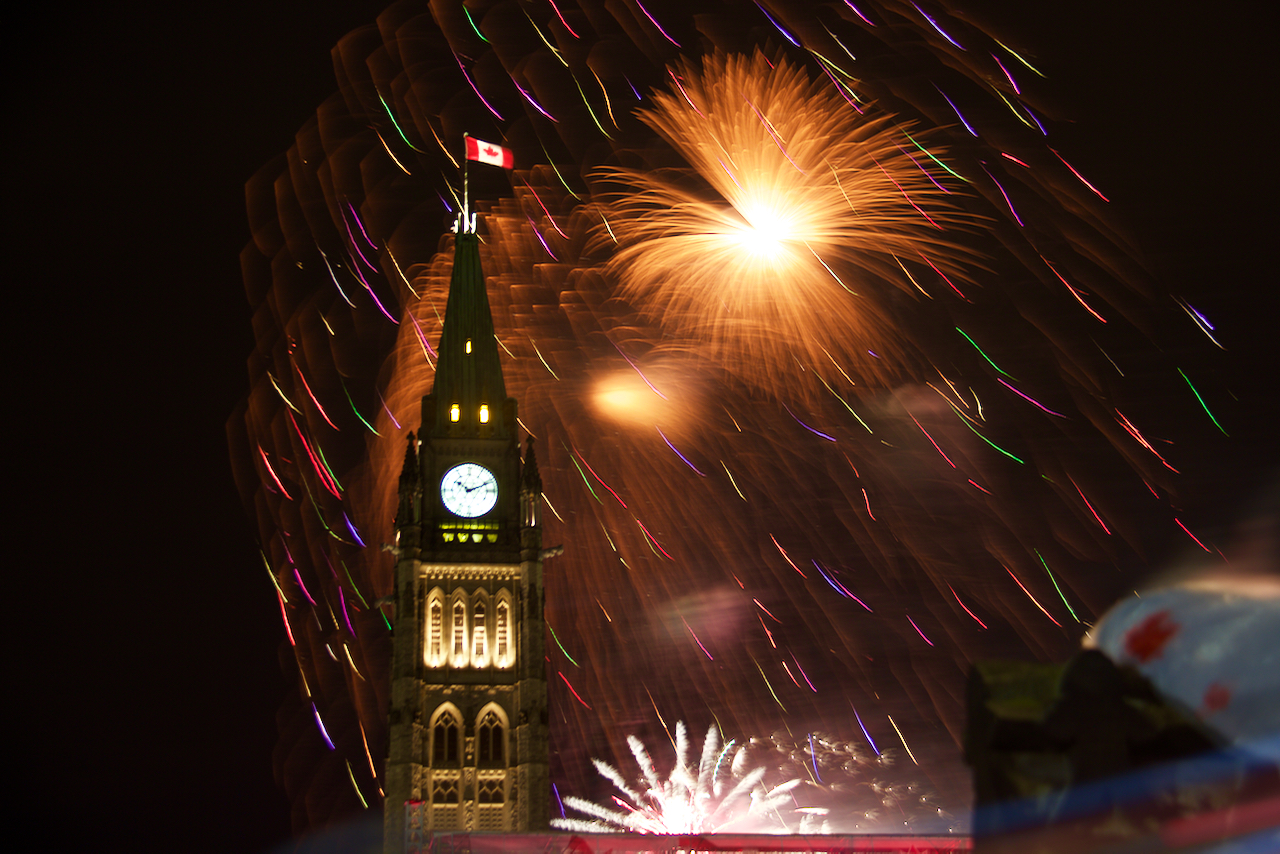
Celebrations range from national ceremonies and concerts on Parliament Hill to neighbourhood barbecues, local parades and family gatherings. Common features include official speeches, flag displays, musical performances, community fairs and fireworks displays at dusk. Many municipalities and cultural organizations stage events that highlight regional heritage and the cultural diversity of Canada. Citizenship ceremonies welcoming new Canadians are often scheduled deliberately on or around the day.
Activities and regional variation
- Large public concerts and televised events in major cities
- Local parades, community picnics and family-friendly programming
- Fireworks and evening light displays in towns and provincial capitals
- Official ceremonies, wreath-layings and commemorations at historic sites
Because Canada is geographically vast, celebrations and priorities vary by region and community. Events in coastal provinces emphasize maritime traditions, while northern communities may combine Canada Day observances with summer festivals. Provincial governments and tourism agencies publish schedules and visitor information; consult official event listings and guides such as those provided by national and municipal authorities and by tourism offices for planning.
Perspectives and significance
For many people Canada Day is a time to celebrate national achievements, public institutions and cultural diversity. It is also increasingly a moment for reflection about Indigenous histories, the effects of colonization and ongoing discussions about reconciliation. Some Indigenous individuals and communities observe the date with alternative commemorations or acts of mourning, and public programming often includes both celebratory and critical perspectives to acknowledge the country’s complex past and present. Additional historical context and official references on Confederation are available from educational and governmental sources about Confederation.
Each year official schedules, security notices and accessibility information are posted by government and local organizers to help residents and visitors plan attendance at Canada Day events.
Tags
Related articles
Author
AlegsaOnline.com Canada Day Leandro Alegsa
URL: https://en.alegsaonline.com/art/16433