
Camera lens: design, types, history, and practical uses
Overview of camera lenses: how they form images, main components and optical principles, common types and uses, historical development, accessories, and practical advice for photographers.
Overview
A camera lens is the optical assembly that directs and shapes light onto a photosensitive surface—traditionally film or, in modern systems, an electronic image sensor inside a camera. By gathering rays from a scene and focusing them, a lens produces an image at the correct plane. Simple lenses may be molded plastic, while higher-quality designs use multiple glass elements and special coatings to improve image quality and reduce aberrations; the study of lenses and their behavior belongs to optics.
Image gallery
10 Images





Design and main components
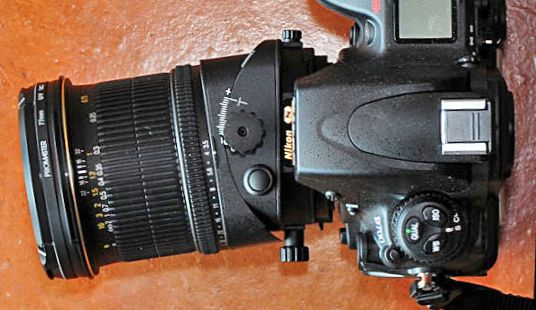
Most photographic lenses are assemblies of several elements arranged in groups. These elements, made of optical glass or plastics, are mounted in a barrel and paired with a diaphragm (aperture) that controls light and depth of field. Other principal parts include the focusing mechanism, mount, and any built-in stabilisation or electronic contacts used with modern digital cameras. A single marketed "lens" typically contains many individual lens elements to correct defects.
- Focal length: Determines angle of view and magnification.
- Aperture (speed): Controls light and affects background separation.
- Optical formula: Numbers of elements/groups and use of special glass.
- Mount and compatibility: Lenses attach to the camera body and must match the camera's mount and sensor size.
Basic optical principles
Lenses form images by refracting light rays so that they converge (or diverge) to create a focused representation of a scene. Common aberrations—such as spherical aberration, coma, astigmatism, and chromatic aberration—are addressed through multi-element designs, aspherical surfaces, and low-dispersion glass. Modern anti-reflective coatings reduce flare and ghosting, improving contrast especially in backlit situations.
Types of lenses and typical uses
Photographers choose optics to suit purpose. A telephoto lens brings distant subjects nearer and compresses perceived distance, useful in sports and wildlife. A wide-angle lens captures broad scenes and enlarges perspective for landscapes or interiors. Zoom lenses offer variable focal lengths for flexibility, while prime lenses provide a single focal length often with larger maximum apertures for low-light or shallow depth of field. Specialty optics include large-format lenses, macro lenses for close-up work, fisheye lenses for extreme wide views, and tilt–shift designs for perspective control.
Accessories and extensions
Common accessories expand a lens's capability: filters alter light or color balance; teleconverters increase effective focal length at the cost of light; extension tubes and bellows enable closer focusing for macro work. Optical attachments are useful but can introduce compromises in image quality and require careful matching to the primary lens.
History and development
Optical objectives have been part of cameras since nineteenth-century photography. Early single-element lenses were simple but limited by aberrations. Through the twentieth century, multi-element designs, new glass formulations and coatings improved performance. Many well-made pre-World War II lenses remain usable because the underlying optical principles did not change, while modern designs benefit from numerical optimization using computers and the work of optical engineers.
Practical considerations and maintenance
Decisions for users include whether the camera has a fixed lens or an interchangeable system, the size of the camera sensor (which affects effective focal length and depth of field), optical speed for low light, and features such as image stabilization and weather sealing. Routine care—protective filters, lens caps, careful cleaning of front and rear elements, and proper storage—helps maintain optical performance and resale value.
Choosing and testing lenses
When selecting a lens, photographers compare sharpness, contrast, distortion, bokeh quality, autofocus speed, and build quality. Reviews and test charts can help, but hands-on testing on a target scene or real shooting situations is often decisive. Mount compatibility should be verified with the specific digital camera or film format in use.
Further reading
Introductory texts and manufacturer documentation explain terms such as modulation transfer function and field curvature; practical guides show how to pair lenses and cameras to achieve creative goals. For broad topics related to lens elements and systems, consult resources on photographers techniques, optical elements, and the behaviour of different zoom or prime optics.
Tags
Related articles
Author
AlegsaOnline.com Camera lens: design, types, history, and practical uses Leandro Alegsa
URL: https://en.alegsaonline.com/art/16306