
Aperture (optics and photography)
An aperture is an opening that admits light in optical systems. This article explains how apertures are measured and adjusted, their effect on exposure and depth of field, and related terms such as f-number and numerical aperture.
Overview
An aperture is the opening through which light passes in an optical system. In both optics and photography, controlling the aperture determines how much light reaches an imaging surface or detector. Changing the aperture alters image brightness and influences several image qualities including sharpness and depth of field.
Image gallery
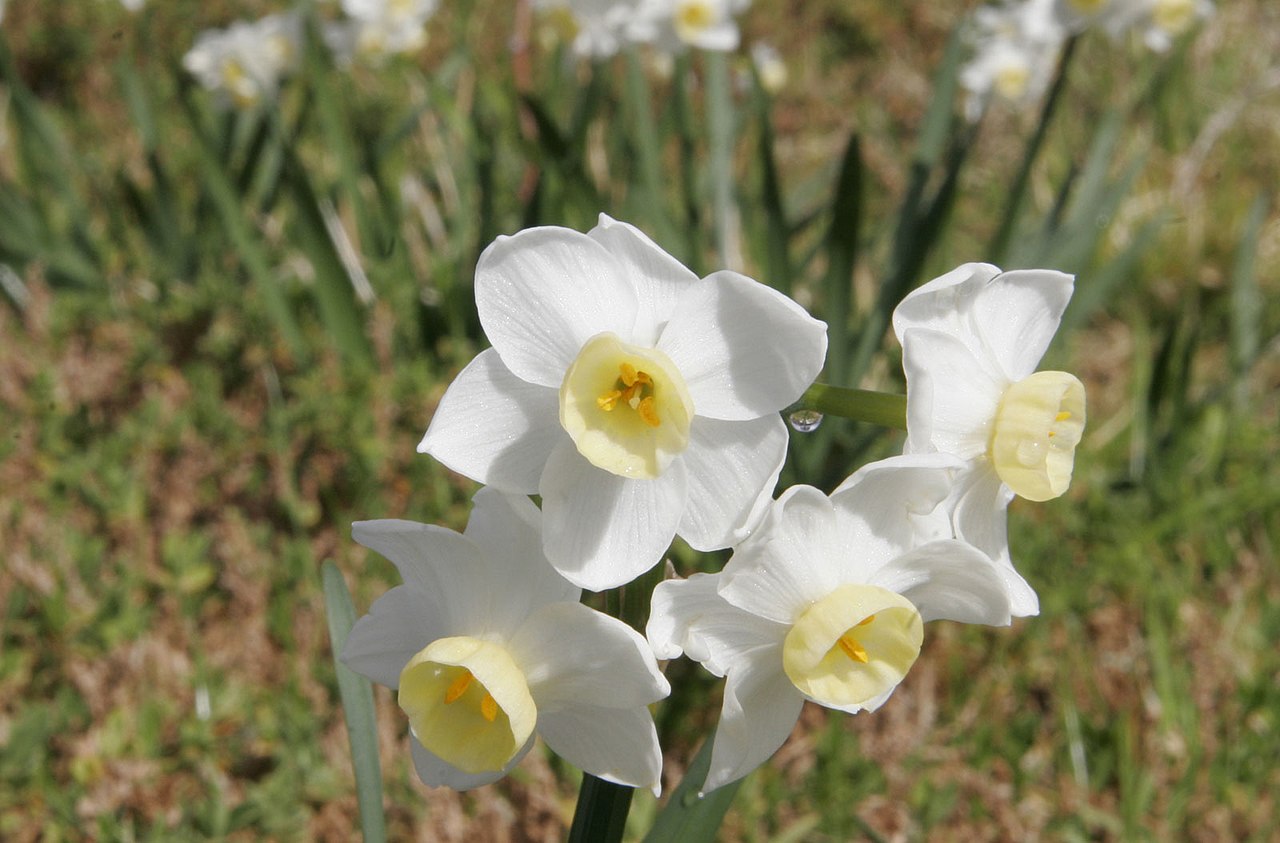
10 Images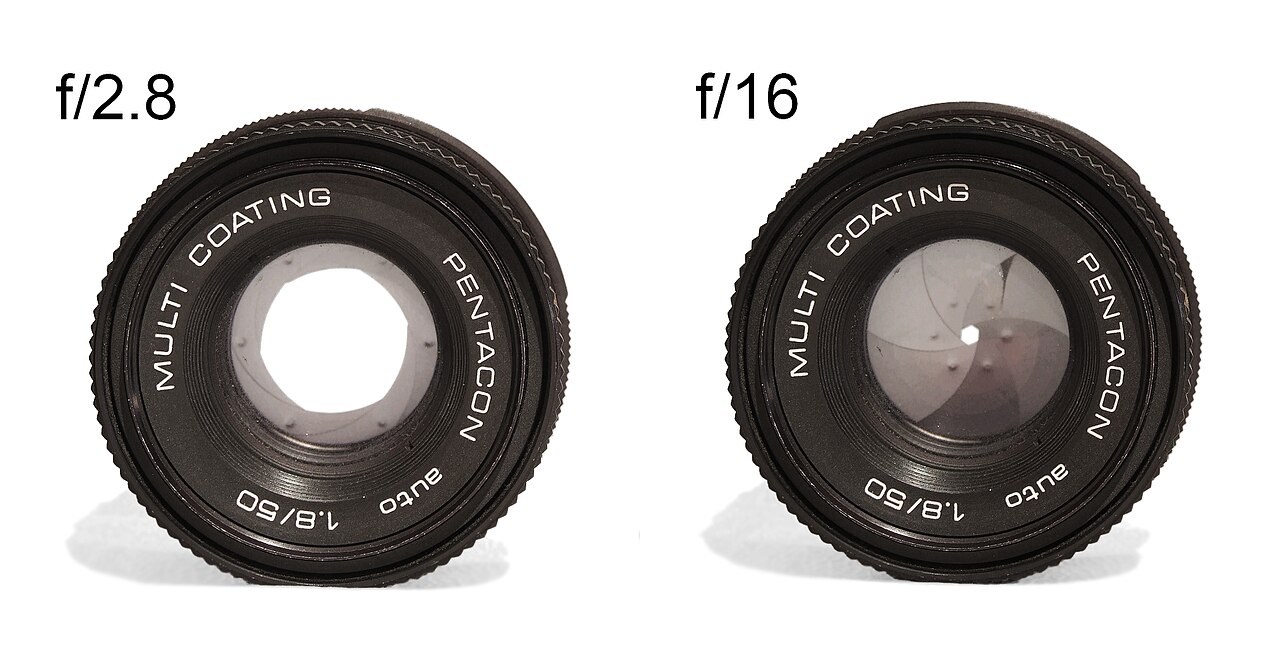




Mechanics and measurement
Most adjustable apertures are formed by a diaphragm inside a lens, commonly called an iris. The diaphragm consists of overlapping blades that create a roughly circular opening. Aperture size is commonly expressed as an f-number (or f-stop), defined by the ratio of the lens focal length to the diameter of the aperture. A lower f-number indicates a larger opening and more light; a higher f-number indicates a smaller opening and less light. In motion-picture and broadcast work, T-stops are used to account for actual light transmission through a lens.
Optical effects
Aperture affects several optical properties:
- Exposure: Larger apertures admit more light and reduce required exposure time.
- Depth of field: Wide apertures produce shallow depth of field; small apertures increase the range in acceptable focus.
- Diffraction and sharpness: Very small apertures introduce diffraction that reduces fine detail, while very large apertures can reveal lens aberrations.
- Bokeh: The aesthetic quality of out-of-focus areas depends on aperture shape and blade count.
History and applications
The principle of controlling light through an opening dates back to pinhole cameras. The adjustable iris and multi-blade diaphragm evolved to give photographers and instrument makers a practical means to balance brightness, resolution and artistic intent. Apertures are fundamental in cameras, telescopes, microscopes and many scientific instruments.
Distinctions and practical notes
In microscopy and fiber optics, the related term numerical aperture (NA) quantifies light-gathering ability and resolving power and is not the same as an f-number. Photographers often use aperture priority exposure modes to select a desired f-stop while the camera sets shutter speed. Understanding the trade-offs—brightness versus depth of field and diffraction versus aberrations—helps users choose the appropriate aperture for technical or creative goals.
For further technical background on lenses and aperture behavior, see resources in optics and photography: optics overview, photography basics, and light and exposure.
Tags
Related articles
Author
AlegsaOnline.com Aperture (optics and photography) Leandro Alegsa
URL: https://en.alegsaonline.com/art/4863