
California Red-legged Frog (Rana draytonii)
A semi‑aquatic native frog of California and Baja California, the California red‑legged frog (Rana draytonii) is a protected member of the true frog family and a conservation priority.
Overview
The California red‑legged frog (Rana draytonii) is a medium‑to‑large semi‑aquatic amphibian native to western North America. It belongs to the true frog group, the Ranidae, and is recognized for its reddish coloring on the underside of the legs and belly. This frog is endemic to parts of California and northern Baja California in Mexico, where populations have declined from their historical range. Because of habitat loss and other pressures the species is afforded legal protection and conservation attention for its conservation status.
Image gallery
6 Images


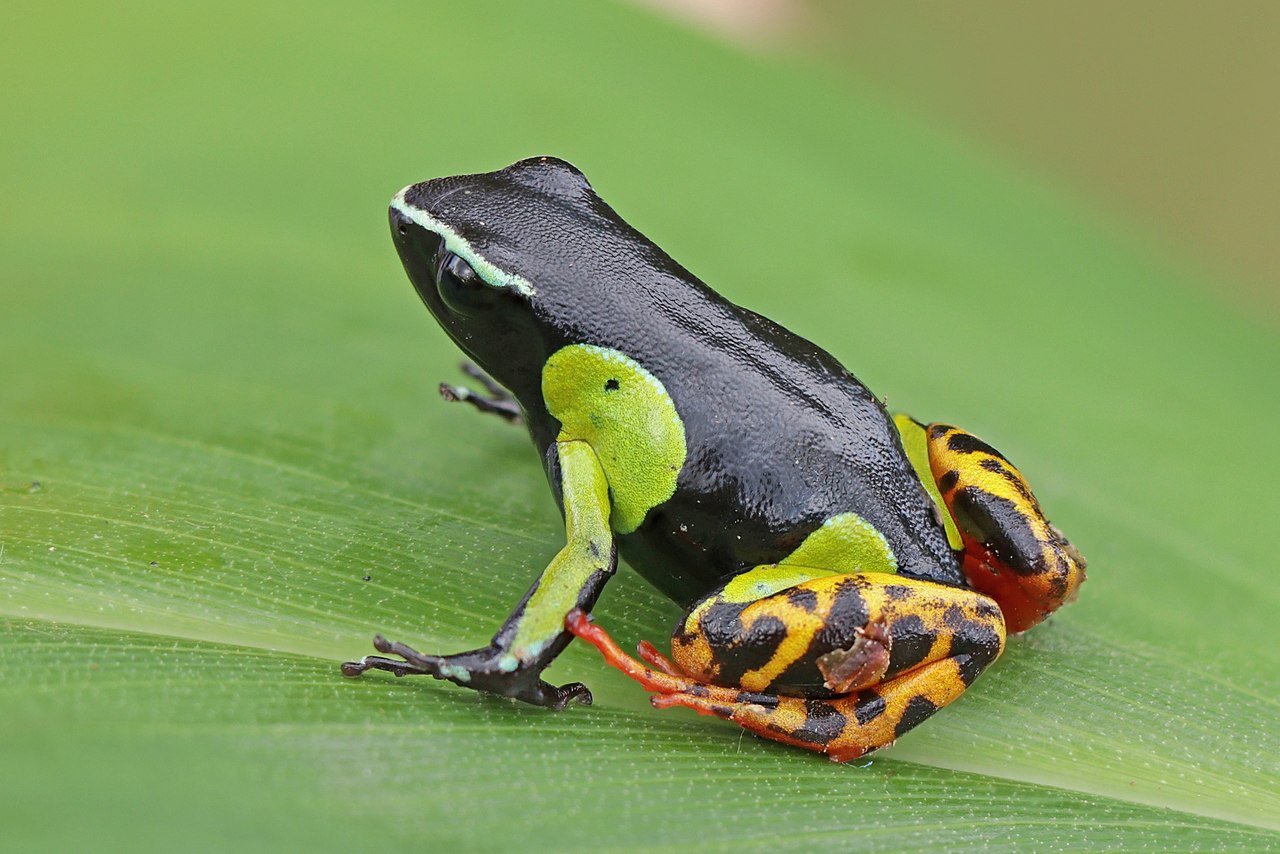


Description and biology
Adults are typically stocky with powerful hind legs and webbed feet adapted for swimming. Dorsal coloration ranges from brown to olive with variable dark spotting; the undersides and the femoral area often show a distinctive reddish or salmon tint. The skin is smooth compared with toads, and males may develop nuptial pads in breeding season. Diet is opportunistic and includes aquatic and terrestrial invertebrates and, occasionally, small vertebrates.
Habitat and life cycle
California red‑legged frogs use a mix of aquatic and terrestrial habitats. They breed in ponds, marshes, and slow‑moving streams with emergent vegetation that supports egg masses and tadpole development. Outside the breeding season they disperse into nearby upland areas with moist cover. Eggs are laid in gelatinous masses attached to vegetation; tadpoles develop in water before transforming to land‑capable juveniles.
Threats and conservation
Populations have declined because of several interacting threats:
- Habitat loss and fragmentation from agriculture, urban development, and water‑management projects.
- Predation and competition from introduced species such as bullfrogs and certain fish and crayfish.
- Disease, including chytrid fungal infections, and environmental contaminants.
Conservation actions include habitat protection and restoration, control or removal of invasive predators, monitoring of populations, and targeted breeding or relocation efforts where appropriate. Legal protections at federal, state, and local levels aim to reduce further decline and support recovery.
Notable facts and distinctions
The California red‑legged frog is one of the best‑known native frog species in its region and has served as a focal species for wetland conservation. Its appearance—especially the red coloration under the legs—makes it relatively easy to distinguish from other frogs in the same habitats. Because it requires both aquatic and terrestrial environments, its presence is an indicator of connected, functioning wetland ecosystems.
Further information
Related articles
Author
AlegsaOnline.com California Red-legged Frog (Rana draytonii) Leandro Alegsa
URL: https://en.alegsaonline.com/art/16135
Sources
- ecos.fws.gov : USFWS Species Profile