
Camelops — extinct North American Pleistocene camel genus
Camelops was a genus of camels native to North America during the Pleistocene. Fossils indicate large, long‑legged animals that lived from the Early Pleistocene to the end of the last Ice Age.
Overview
Camelops is an extinct genus of camel that inhabited North America during the Pleistocene epoch. Fossil evidence places the genus in the continent from roughly two million years ago until about 10,000 years ago, when it disappeared along with many other large mammals at the close of the last Ice Age.
Image gallery
6 Images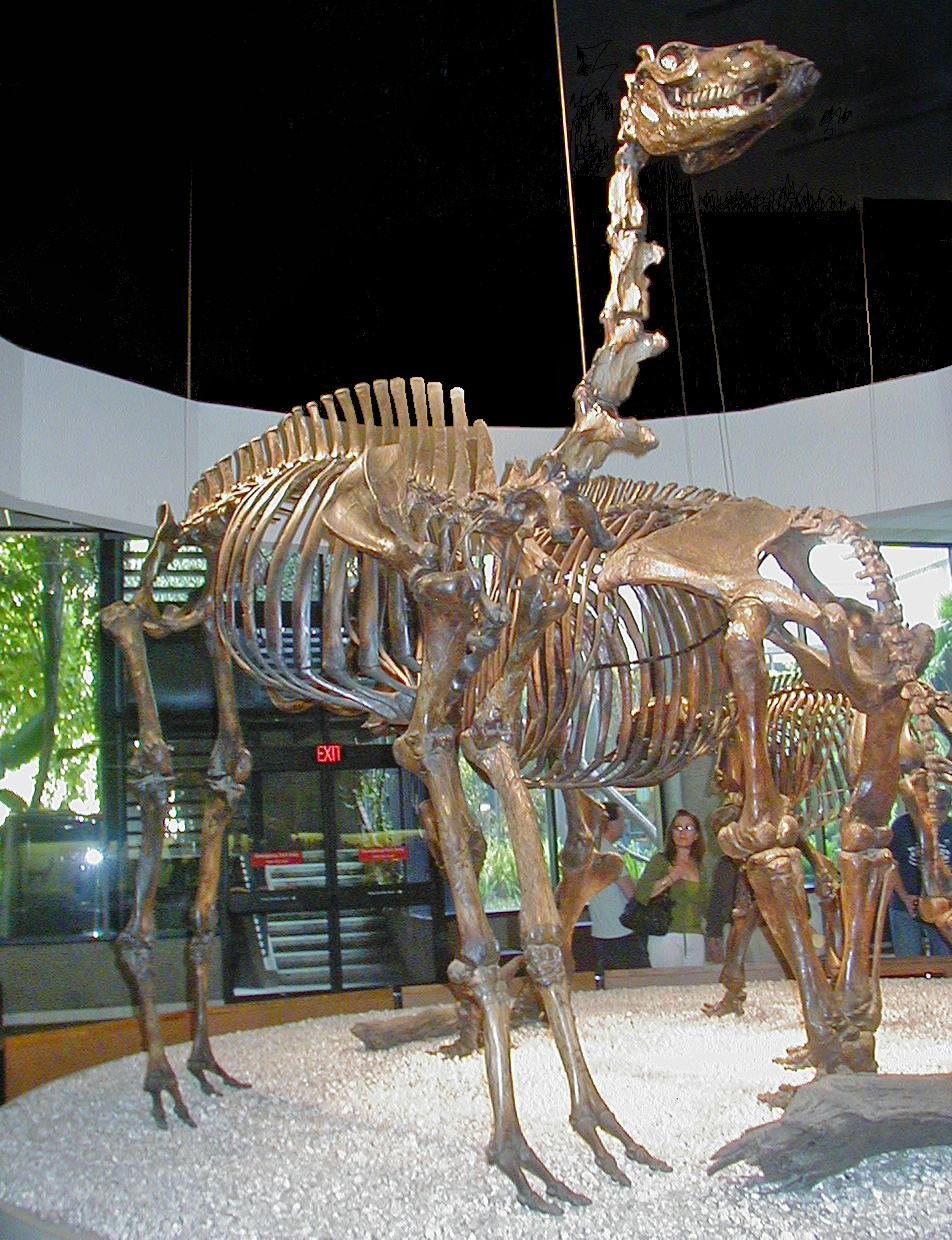


Physical characteristics
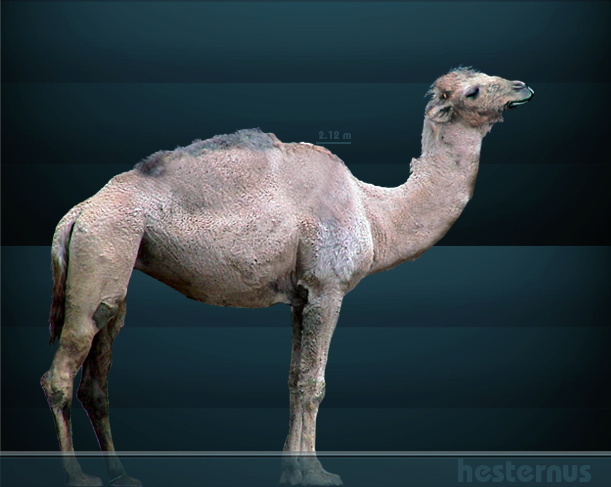
Remains of Camelops suggest it was a relatively large, long‑limbed camelid with proportions comparable to modern camels and llamas. Skeletons indicate adaptations for running and foraging across open habitats. Unlike Old World dromedary and Bactrian camels, soft‑tissue features such as humps are not preserved in fossils, so reconstructions focus on bone structure and limb proportions.
Paleoecology and interactions
Camelops occupied a variety of environments, from grasslands to more wooded regions, and dietary studies imply a mixed feeding strategy, consuming both browse and graze depending on local conditions. It shared its ecosystems with a range of large predators and other megafauna. Known or likely predators included:
- Canids such as dire wolves and other wolf relatives
- Large bears and short‑faced bear taxa
- Big cats, including American lions and saber‑toothed cats like Smilodon
Fossil record and distribution
Fossils of Camelops have been recovered across western and central North America from multiple Pleistocene sites. Specimens appear in cave deposits, tar pits and other preservation contexts that preserve bones and sometimes associated fauna, helping paleontologists reconstruct Pleistocene communities and climates.
Extinction and significance
The disappearance of Camelops around the end of the Pleistocene is part of a broader pattern of megafaunal extinctions in North America. Causes are debated and likely multifactorial: climate change, habitat shifts, and human hunting pressure have all been proposed as contributing factors. Studying Camelops helps scientists understand camelid evolution, continental faunal change, and the dynamics of Ice Age ecosystems.
Further reading and resources
Questions and answers
Q: What is Camelops?
A: Camelops is an extinct genus of camel.
Q: Where did Camelops live?
A: Camelops lived in North America during the Pleistocene.
Q: How old is the oldest Camelops?
A: The oldest known Camelops fossils date back to two million years ago.
Q: What animals preyed on Camelops?
A: Camelops were prey for wolves, bears, lions, and Smilodon.
Q: When did Camelops disappear?
A: Camelops disappeared at the end of the last ice age, about 10,000 years ago.
Q: Were Camelops the only animals to disappear at the end of the last ice age?
A: No, many other animals also disappeared at the end of the last ice age.
Q: What is the Pleistocene?
A: The Pleistocene is a geological epoch that lasted from about 2.6 million to 11,700 years ago.
Related articles
Author
AlegsaOnline.com Camelops — extinct North American Pleistocene camel genus Leandro Alegsa
URL: https://en.alegsaonline.com/art/16300
Sources
- sdnhm.org : sdnhm.org/archive/exhibits/mystery/fg_camel.html