
Calliostoma (top shells): description, distribution, and natural history
Calliostoma is a widespread genus of marine top-shell gastropods known for conical, often colorful shells and a pearly aperture; found from shallow shores to deep seas worldwide.
Overview
Calliostoma, commonly called top shells, is a genus of marine gastropod molluscs in the family Calliostomatidae. The name combines the Greek words for "beautiful" and "mouth," a reference to the typically nacreous aperture of the shell. Species in this genus occur around the world and inhabit a range of marine environments.
Image gallery
6 Images


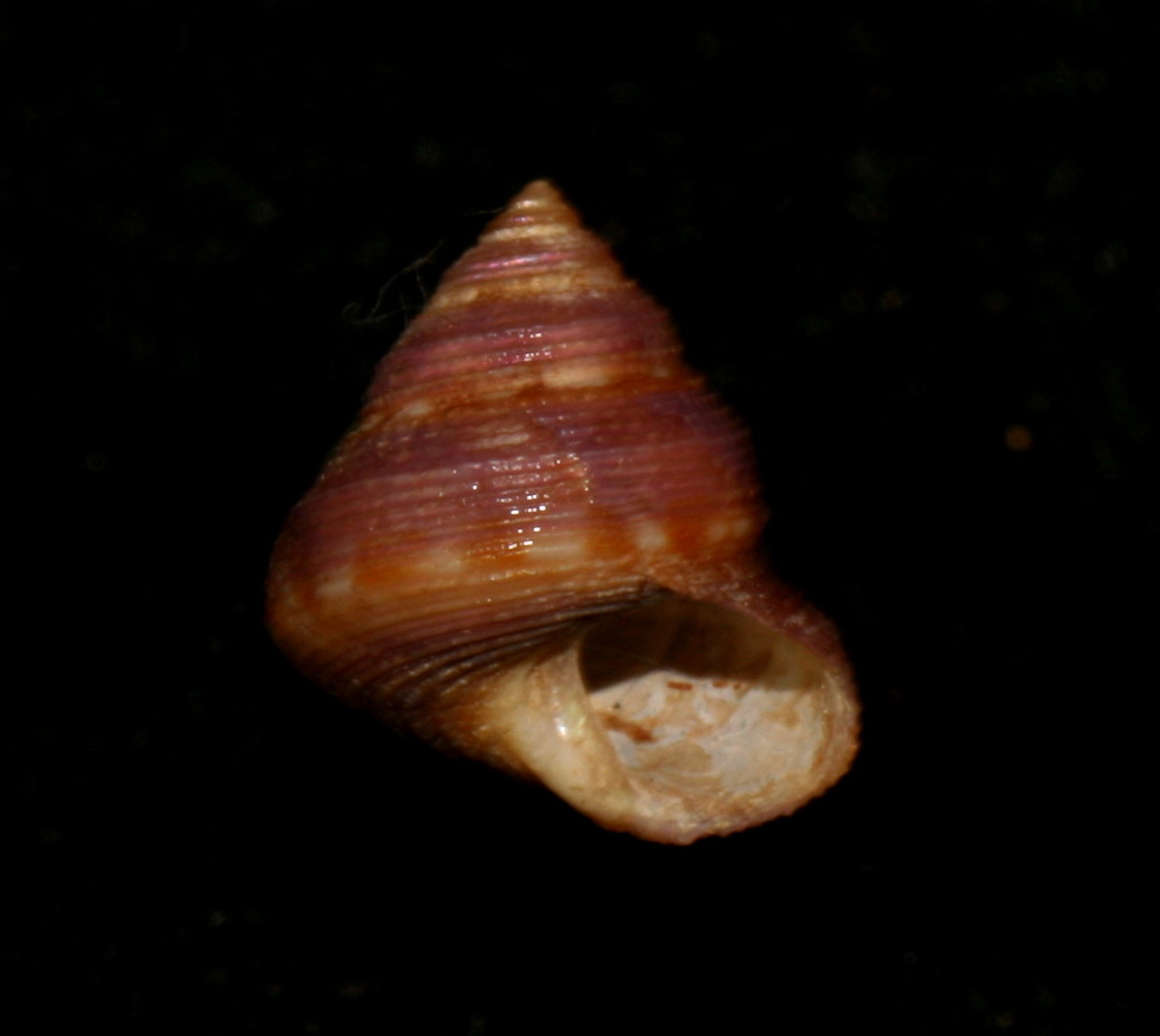
Description and distinguishing features
Members of Calliostoma share a generally conical, trochiform shell with a pointed spire and well-defined whorls. Many species have fine spiral sculpture, axial growth lines, or striking color patterns. The aperture is often rounded and iridescent, which gave rise to the genus name; the soft body usually has a single, corneous operculum.
- Shell shape: conical to elevated conical
- Surface: smooth to strongly sculptured
- Aperture: nacreous (pearly) in many species, providing the "beautiful mouth" trait (aperture)
Distribution and habitat
Calliostoma species occur in temperate and tropical seas worldwide, from intertidal zones to continental slopes. Some species prefer rocky substrates, algal beds, or coral rubble, while others are adapted to deeper, sandy or muddy bottoms. Local abundance and depth ranges vary widely among species.
Ecology and behavior
These snails are mostly grazers or micro-herbivores, feeding on algal films, biofilm, and detritus. Predators include fish, crabs, and larger gastropods. Shell form and color often relate to habitat and camouflage. Reproductive modes follow general gastropod patterns, with planktonic or lecithotrophic larvae in many species, promoting broad dispersal.
Taxonomy, history, and notable species
The genus has been studied since early malacological surveys and continues to be revised as shell morphology and molecular data clarify relationships. It contains numerous described species, some of which are sought after by shell collectors for their symmetry and coloration. Taxonomic placement and species limits are subjects of ongoing research; see family treatments and regional faunal works for details (Calliostomatidae).
Human interactions and significance
Calliostoma shells are popular in collections and educational displays because of their attractive form and nacreous interiors. They have ecological importance as grazers within benthic communities. Conservation concerns are local: habitat degradation, pollution, and collection pressure can affect particular populations, so regional monitoring and habitat protection are relevant for their persistence.
Related articles
Author
AlegsaOnline.com Calliostoma (top shells): description, distribution, and natural history Leandro Alegsa
URL: https://en.alegsaonline.com/art/16177