
California Current: Cold Eastern Boundary Current of the Northeast Pacific
A broad, cold ocean current that flows southward along the western coast of North America, driving coastal upwelling, rich marine ecosystems, and regional climate patterns.
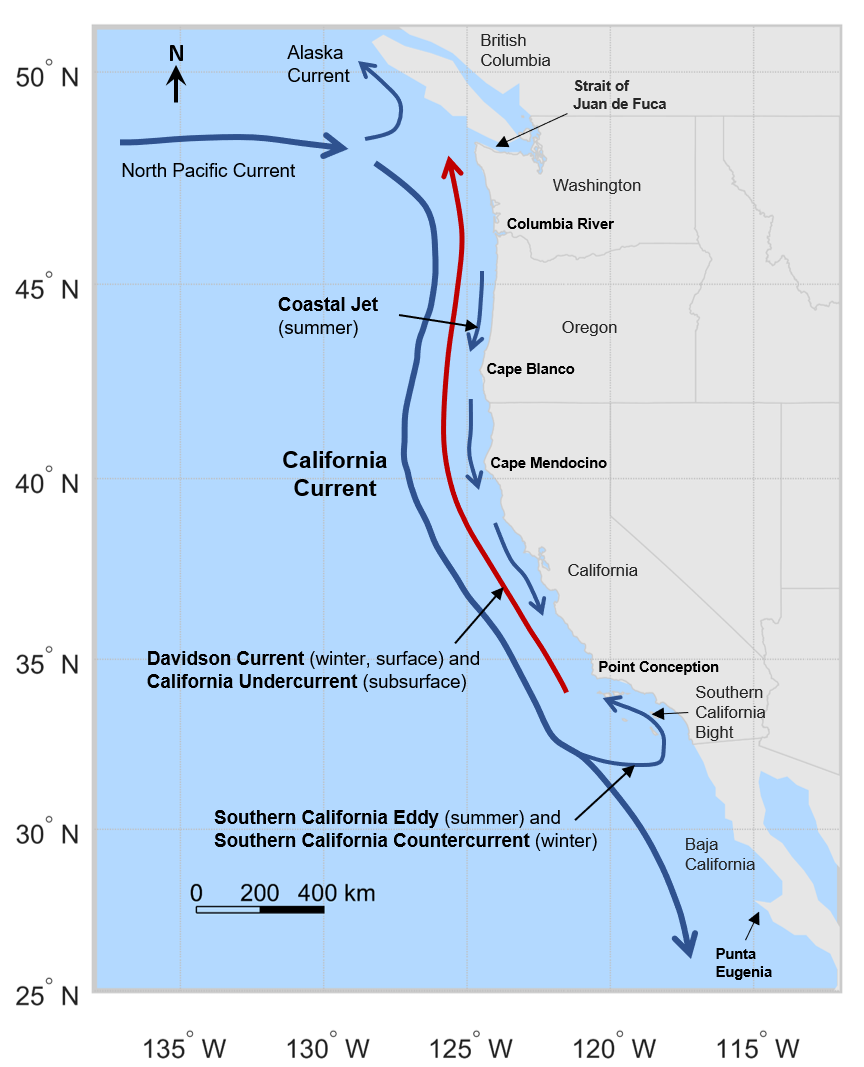
The California Current is a cold surface current in the northeastern Pacific Ocean that flows generally southward along the western coast of North America. It forms part of the larger North Pacific circulation and extends from the Pacific Northwest coast down toward the southern tip of the Baja California peninsula. The current is an important component of regional oceanography, affecting water temperature, marine productivity and coastal weather.
Image gallery
5 Images

Key characteristics
The California Current is classified as an eastern boundary current: it is relatively broad, shallow and slow compared with western boundary currents. Surface waters are cool because they are sourced from higher latitudes and because coastal winds drive upwelling, bringing nutrient-rich deep water to the surface. Seasonal winds and large-scale climate modes such as El Niño–Southern Oscillation influence its strength and position.
Several related flows and features occur within the California Current System. A northward countercurrent commonly appears closer to shore during winter months, and a poleward undercurrent transports water beneath the surface. These components interact with coastal shelf processes, bays and headlands to create spatially variable conditions along the coast of the northwestern United States and on into Mexico.
Ecological and human importance
- Upwelling associated with the current fuels high primary productivity, supporting abundant fisheries (sardine, anchovy, hake) and rich seabird and marine mammal populations.
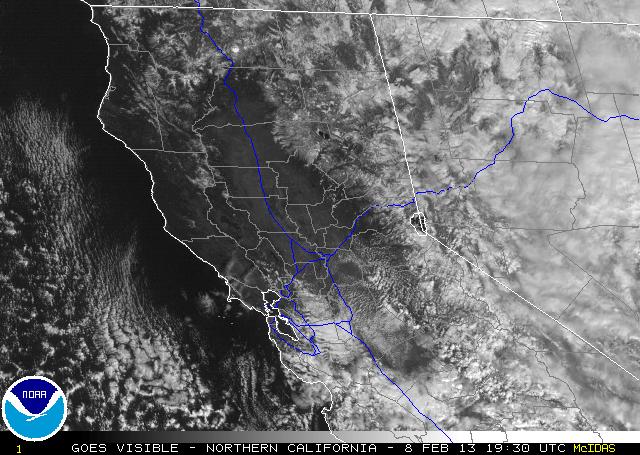
- The cold ocean influences coastal climate, contributing to cool summer conditions, a persistent marine layer and frequent fog around coastal regions such as central and southern California.
- Variations in the current affect fisheries, harmful algal blooms, and oxygen levels on the continental shelf, with economic and conservation implications.
Researchers monitor the California Current with ships, moorings, floats and satellites to track temperature, currents, nutrients and biological responses. Regional research programs and government agencies study its role in climate variability and resource management; historical observations by mariners and scientists have gradually refined our understanding of the current system since the age of exploration.
Notable distinctions include its status as an eastern boundary current and its responsiveness to climate-driven shifts. For further background on ocean currents, see general resources on the ocean current concept and the geographic setting of the coast. For regional context and management information consult sources that focus on the Baja California to Pacific Northwest corridor and on local research programs (Pacific Ocean studies).
Related articles
Author
AlegsaOnline.com California Current: Cold Eastern Boundary Current of the Northeast Pacific Leandro Alegsa
URL: https://en.alegsaonline.com/art/16119