
Calymmian Period (Mesoproterozoic, 1.6–1.4 Ga)
The Calymmian (1.6–1.4 billion years ago) is the earliest period of the Mesoproterozoic, characterized by continental rifting, the breakup of the Columbia supercontinent and continued microbial-dominated ecosystems.
Overview
The Calymmian is the earliest named period of the Mesoproterozoic Eon and spans from about 1.6 billion years ago to about 1.4 billion years ago. It is recognized in the deep-time geologic timescale as a distinct interval marked by changes in tectonics, sedimentation and the distribution of crustal blocks. Geologists use chronostratigraphic boundaries and a combination of radiometric ages and regional stratigraphy to define the Calymmian as a formal period within the broader Mesoproterozoic.
Image gallery
4 Images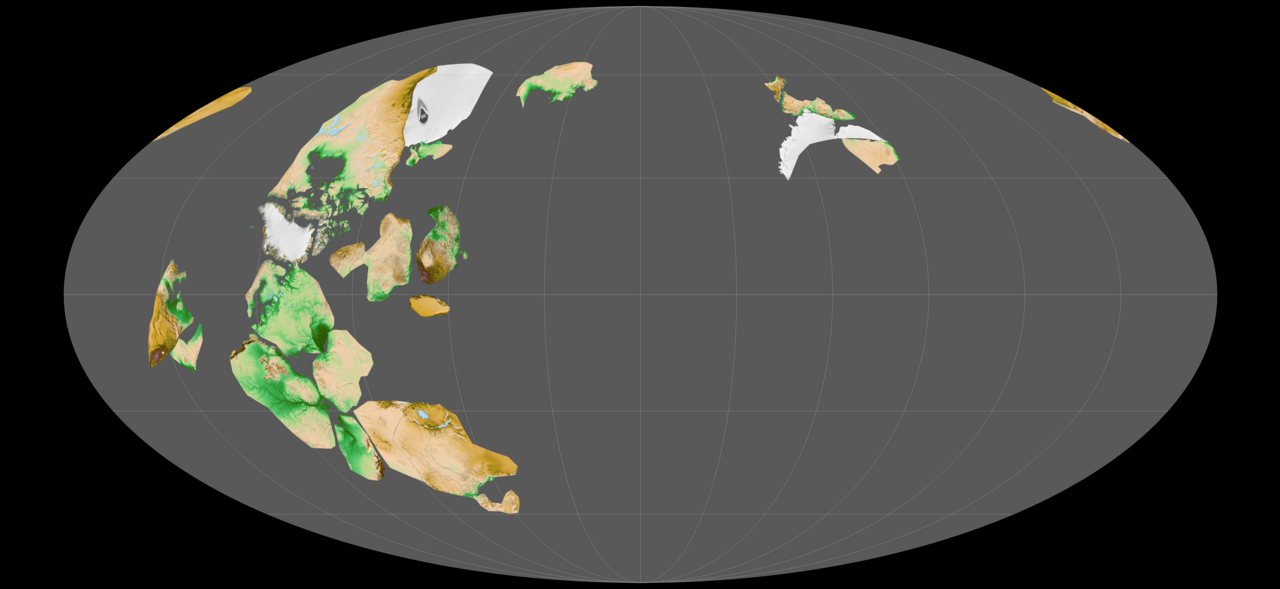


Physical characteristics and rock types
Rocks deposited or emplaced during the Calymmian include rift-related volcanic sequences, mafic intrusions, and extensive sedimentary basins that developed as continents adjusted to changing plate configurations. Typical lithologies include basaltic flows and sills from widespread mafic magmatism, layered sedimentary successions formed in shallow marine and continental settings, and locally preserved metamorphosed equivalents. These sequences record both extensional tectonics and the stabilization of new continental crust.
Tectonics and the breakup of Columbia
One of the most significant tectonic events associated with the Calymmian is the progressive breakup of the supercontinent often referred to as Columbia (also called Nuna) at roughly 1.5 billion years ago. This breakup generated rift basins, volcanic provinces and dispersal of continental fragments. The tectonic reorganization during this interval influenced sediment routing, basin formation and the distribution of mineralizing systems that later became important sources of ores.
Life and environment
Biological activity in the Calymmian remained dominated by microbial life. Stromatolites and microbial mats were widespread in shallow-water environments, and molecular and fossil evidence indicate that eukaryotic lineages were present and diversifying, though multicellular animals had not yet appeared in the fossil record. Atmospheric and ocean chemistry during the Mesoproterozoic, including the Calymmian, supported aerobic microbial ecosystems while remaining different from later Phanerozoic conditions.
Importance and distinctions
The Calymmian is important for understanding long-term supercontinent cycles, Proterozoic crustal growth, and the environmental backdrop for early eukaryotic evolution. Stratigraphic records from this period are used to correlate widely separated cratons and to study Paleoproterozoic-to-Neoproterozoic transitions in Earth systems. Calymmian successions often host economically significant rocks and mineral deposits, so they are relevant both scientifically and for resource exploration.
Resources and further reading
- Formal geologic timescale entries and summaries: period definitions.
- Regional stratigraphic studies and radiometric dating that constrain the 1.6–1.4 Ga interval: see regional syntheses linked from standard Mesoproterozoic reviews (Mesoproterozoic overview).
- Discussions of supercontinent Nuna/Columbia assembly and breakup: tectonic syntheses and paleogeographic reconstructions (timing summaries, age constraints).
Related articles
Author
AlegsaOnline.com Calymmian Period (Mesoproterozoic, 1.6–1.4 Ga) Leandro Alegsa
URL: https://en.alegsaonline.com/art/16222