
Carbon sequestration: methods, storage, and role in climate mitigation
Carbon sequestration is the capture and long-term storage of atmospheric carbon dioxide through biological, geological, and engineered methods to reduce greenhouse gas concentrations and limit climate change.
Overview
Carbon sequestration is the process of removing carbon dioxide from the atmosphere and placing it into long-lived reservoirs. The gas commonly targeted by sequestration efforts is carbon dioxide (CO2). Sequestration reduces the concentration of greenhouse gases and can complement emissions reductions to limit human-driven climate change. The term covers both natural processes and engineered techniques that store carbon for decades to millennia.
Image gallery
10 Images





Common methods and storage types
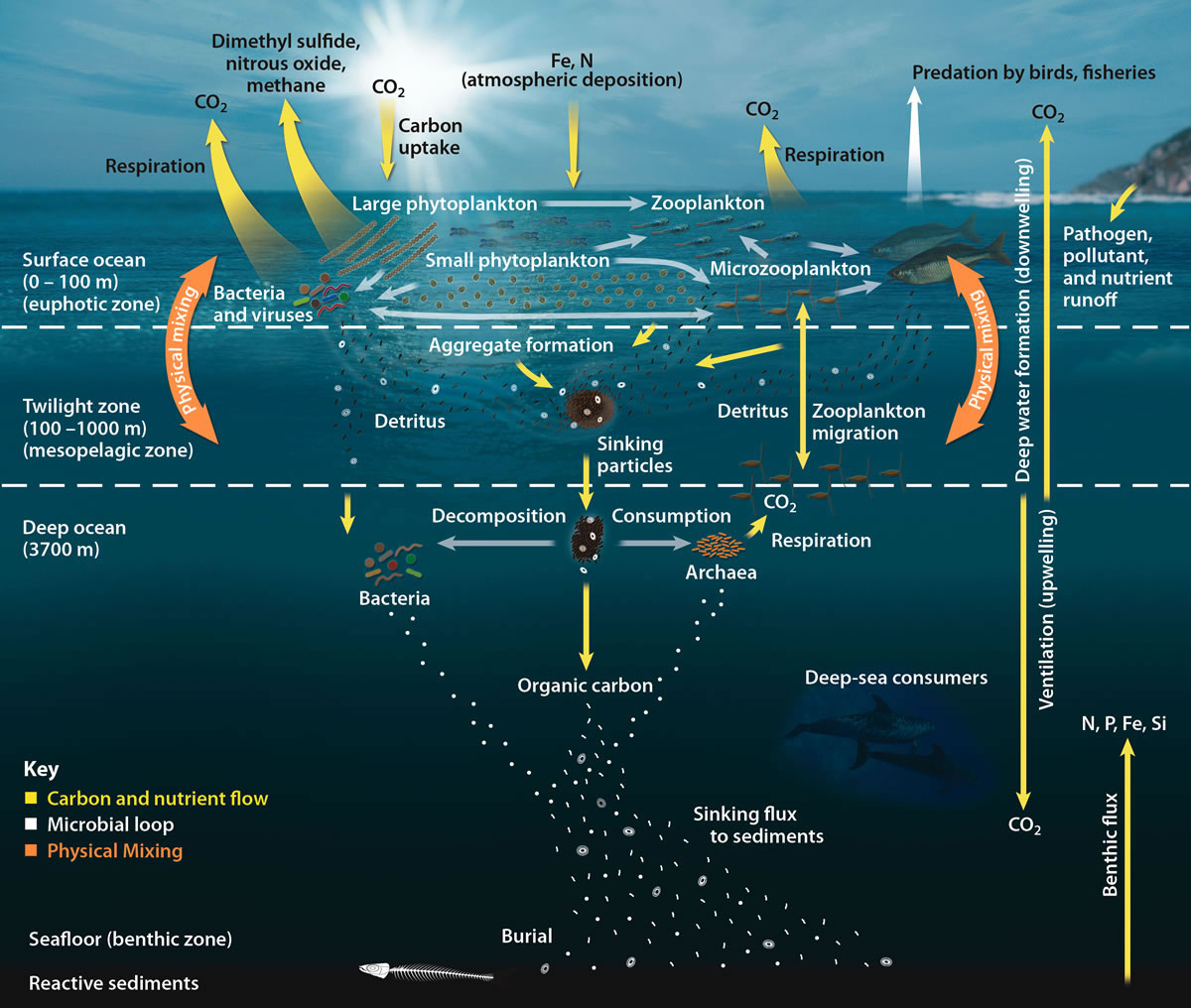
Approaches fall into three broad categories: biological, geological and technological. Biological sequestration enhances natural sinks such as forests, soil and wetlands that absorb and hold carbon in plant matter and organic soils. Geological sequestration injects captured CO2 into deep rock formations or depleted hydrocarbon reservoirs for long-term storage. Engineered or industrial approaches include direct air capture systems and capturing CO2 from industrial point sources before release.
- Biological: reforestation, afforestation, soil carbon management, wetland restoration.
- Geological: saline aquifers, depleted oil and gas fields, mineral carbonation.
- Technological: carbon capture and storage (CCS) at power plants and factories and direct air capture.
History, development and importance
Interest in deliberate carbon removal grew as climate science established links between atmospheric CO2 and global warming. Research and pilot projects have advanced capture technologies and improved monitoring for long-term storage. Carbon sequestration seeks to interrupt the modern perturbation of Earth's atmosphere (the atmosphere) and rebalance the global carbon cycle to reduce future warming (climate change).
Uses, benefits and challenges
Sequestration can buy time for emission cuts, support hard-to-abate sectors, and remove legacy emissions. However, viability depends on permanence, measurement and verification, cost, energy needs, and social and environmental impacts. Risks include CO2 leakage, land-use conflicts, and overreliance on unproven technologies. Practical deployment combines conservation, improved land management and responsible engineered projects monitored to ensure secure storage.
Distinguishing capture from sequestration helps clarify policy: capture is the act of collecting CO2; sequestration is placing it into a durable sink. Together with emissions reductions, carbon sequestration is a tool in broader climate mitigation strategies.
Related articles
Author
AlegsaOnline.com Carbon sequestration: methods, storage, and role in climate mitigation Leandro Alegsa
URL: https://en.alegsaonline.com/art/16888
Sources
- undeerc.org : "What Is CO2 Sequestration?"
- technologyreview.com : "Carbon Sequestration: Too Little, Too Late?"
- csite.ornl.gov : "Carbon Sequestration in Terrestrial Ecosystems"
- www3.epa.gov : "Carbon Dioxide Capture and Sequestration"
- commons.wikimedia.org : Carbon sequestration