
Caenagnathasia — a small Asian caenagnathoid oviraptorosaur
Caenagnathasia is a diminutive Late Cretaceous oviraptorosaur from Asia known from fragmentary jaw material; it illustrates bird-like anatomy and the diversity of small theropods.
Overview
Caenagnathasia is a small, bird-like member of the oviraptorosaur group (superfamily Caenagnathoidea) that lived during the Late Cretaceous, roughly 90 million years ago. Its name is often rendered as the "recent jaw from Asia"; the meaning of that name is noted in taxonomic descriptions and discussions of its affinities. Fossils attributed to this genus are limited and fragmentary, but they indicate an animal far smaller than many of its better-known relatives.
Image gallery
4 Images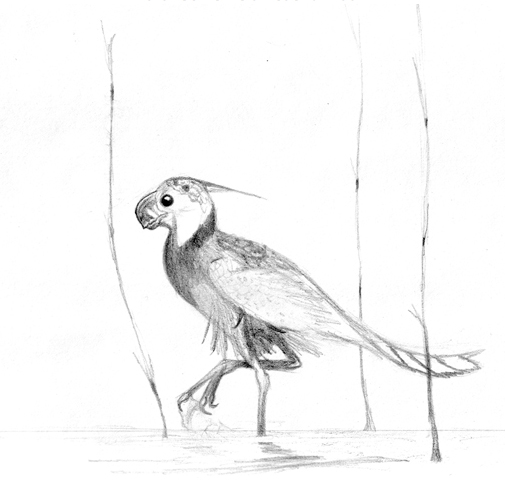


Characteristics
Like other oviraptorosaurs, Caenagnathasia shows a combination of theropod and avian features. Key features include three-fingered hands and three-toed feet, fusion of some bones in the skeleton that recalls the avian condition, and a beak-like jaw structure. It is distinguished chiefly by size and details of the jaw bones preserved by researchers.
Fossil record and discovery
Material assigned to Caenagnathasia consists mainly of jaw fragments and a small number of associated bones. Because the remains are incomplete, much of its anatomy is inferred by comparison with better-known caenagnathoid and oviraptorosaur species. Information about its geology and age places it in the Upper Cretaceous strata of Asia, and its small size has made it one of the more diminutive representatives of the clade.
Paleobiology and diet
Dietary habits are uncertain for Caenagnathasia specifically, but related oviraptorosaurs display adaptations consistent with omnivory or herbivory, including toothless beaks capable of processing plant material, seeds, or small animals. Its small body size suggests a lightweight, possibly agile animal that occupied ecological niches different from larger theropods.
Significance and distinctions
- Caenagnathasia helps document the wide size range and ecological variety among oviraptorosaurs.
- Its bird-like bone fusions provide information on the evolution of avian characteristics within maniraptoran theropods.
- Because knowledge is based on limited remains, future discoveries could clarify its relationships within Caenagnathoidea.
For general background on its name and classification see name meaning, oviparous and oviraptorosaurian context, broader dinosaur summaries at dinosaur overviews, and geological context in the Late Cretaceous literature.
Related articles
Author
AlegsaOnline.com Caenagnathasia — a small Asian caenagnathoid oviraptorosaur Leandro Alegsa
URL: https://en.alegsaonline.com/art/15942