
Cage (enclosure for animals and objects)
A cage is a framework of bars, mesh or solid panels used to confine, protect, transport or display animals and objects; types, materials and uses vary from pet birdcages to industrial security cages.
Overview
A cage is an enclosure designed to contain living creatures, goods or equipment so they cannot leave the confined space unintentionally. Cages range in size and complexity from small domestic birdcages to large livestock pens and secure security cages used in industry and correctional facilities. They are used where visibility, ventilation or restraint are required together with physical separation.
Image gallery
10 Images
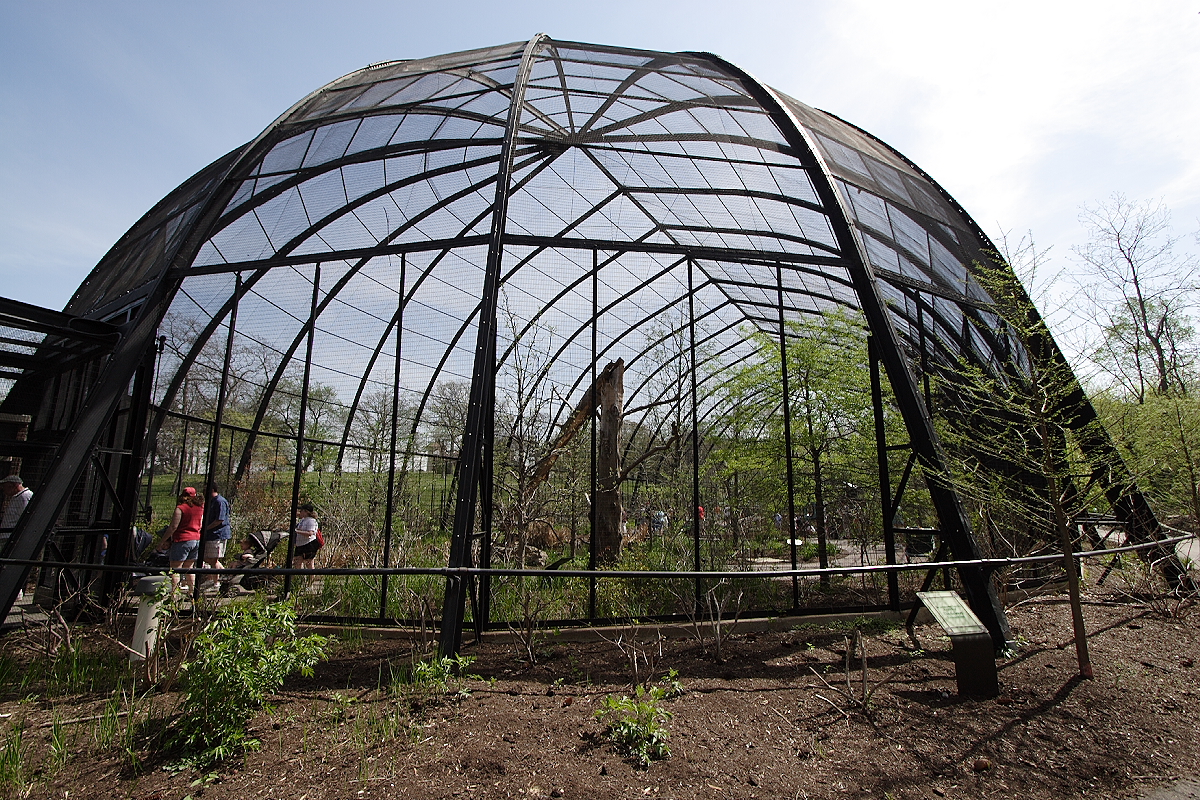



Construction and materials
Common cage construction uses bars, wire mesh or perforated panels to provide airflow and sightlines while preventing escape. Materials include metal (steel, aluminum), wood, plastic and composite materials. Design factors include spacing of bars or mesh, strength to resist chewing or bending, corrosion resistance, ease of cleaning and appropriate dimensions for the contained species or items. For example, pet owners select a birdcage with suitably narrow bar spacing to prevent escape or injury; see animals and species-specific recommendations.
Types and typical uses
- Birdcage: for pet or aviary birds.
- Crate or kennel: for transporting dogs or small mammals.
- Livestock pen: larger enclosures for farm animals.
- Security cage: for tools, equipment or storage of valuable goods.
- Laboratory cages: for housing research animals under regulated conditions.
History and cultural notes
Cages have existed in many forms throughout history whenever humans needed to keep animals for food, companionship, study or display. They also appear frequently in art and literature as symbols of confinement and control. Advances in materials and welfare science have influenced cage design, encouraging larger, safer, and more humane enclosures.
Important distinctions and considerations
"Cage" differs from terms like "pen," "enclosure," "crate" or "aviary" mainly by scale, purpose and structure. Ethical and legal standards affect acceptable cage dimensions and features for animals. Practical considerations include ventilation, cleaning, escape prevention, and the durability of metal or other materials under expected conditions. Proper selection and maintenance are essential to safety and welfare.
Related articles
Author
AlegsaOnline.com Cage (enclosure for animals and objects) Leandro Alegsa
URL: https://en.alegsaonline.com/art/15965