
Bengal: geography, history, culture and modern divisions
Bengal is a historical and cultural region in South Asia divided between Bangladesh and India. This article covers its geography, history, culture, economy, and contemporary political division.
Overview
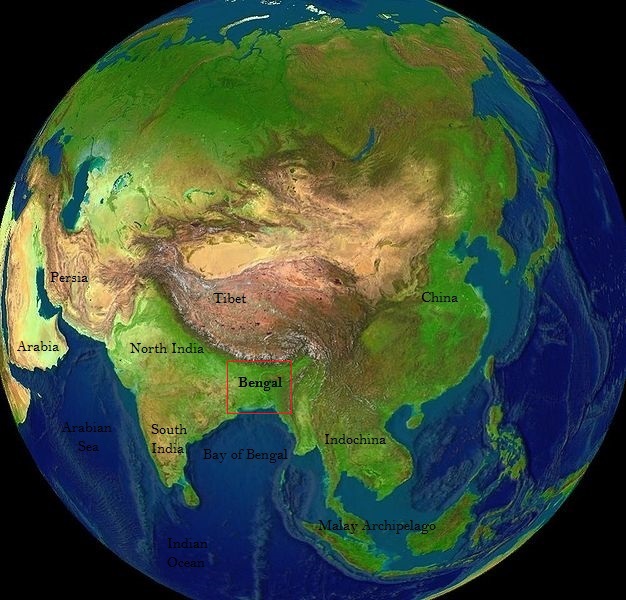
Bengal is a large, historically coherent region in South Asia that today exists as a divided region shared by two nation states. The eastern portion forms nearly all of modern Bangladesh, while the western portion is the Indian state of West Bengal and smaller adjoining areas of India. The region has a distinct linguistic and cultural identity centered on the Bengali language and centuries of shared social and artistic traditions.
Image gallery
10 Images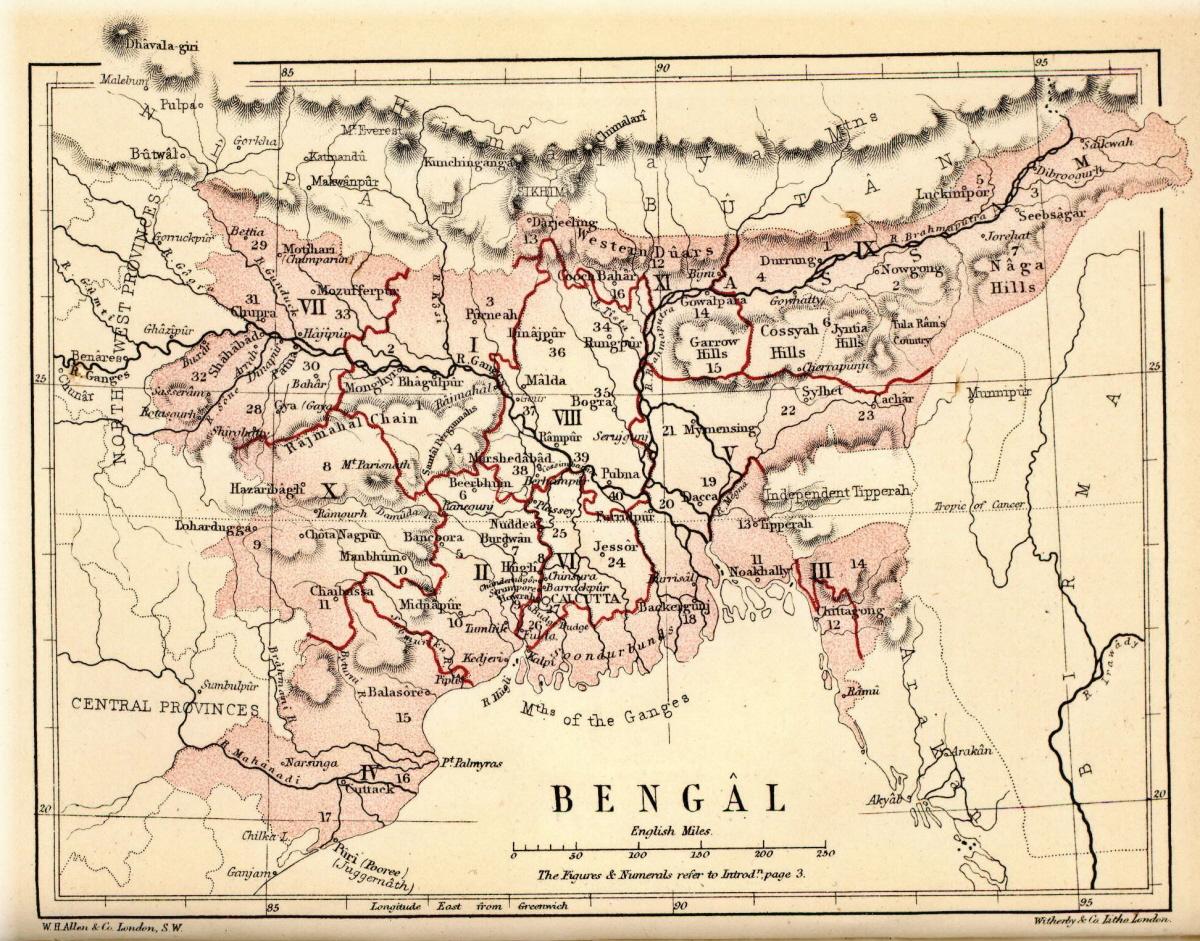





Geography and environment
Bengal sits mainly on the plains of the Ganges–Brahmaputra river system and contains the Ganges Delta, the continent's largest river delta. The landscape ranges from fertile alluvial floodplains to coastal mangrove forests and low hills at the region’s margins. Seasonal monsoon rains, high river flows and frequent tropical cyclones shape livelihoods and settlement patterns.
History and political development
Historically Bengal was the seat of powerful regional kingdoms, a major centre of medieval trade and culture, and later part of British India. Colonial rule reorganized administration and economy, prompting urban growth and infrastructure development. Political movements in the 20th century — including protests over language, governance and land — culminated in the partition of British India in 1947, which divided the region between India and what became East Pakistan; the eastern wing later emerged as independent Bangladesh in 1971.
Culture, economy and society
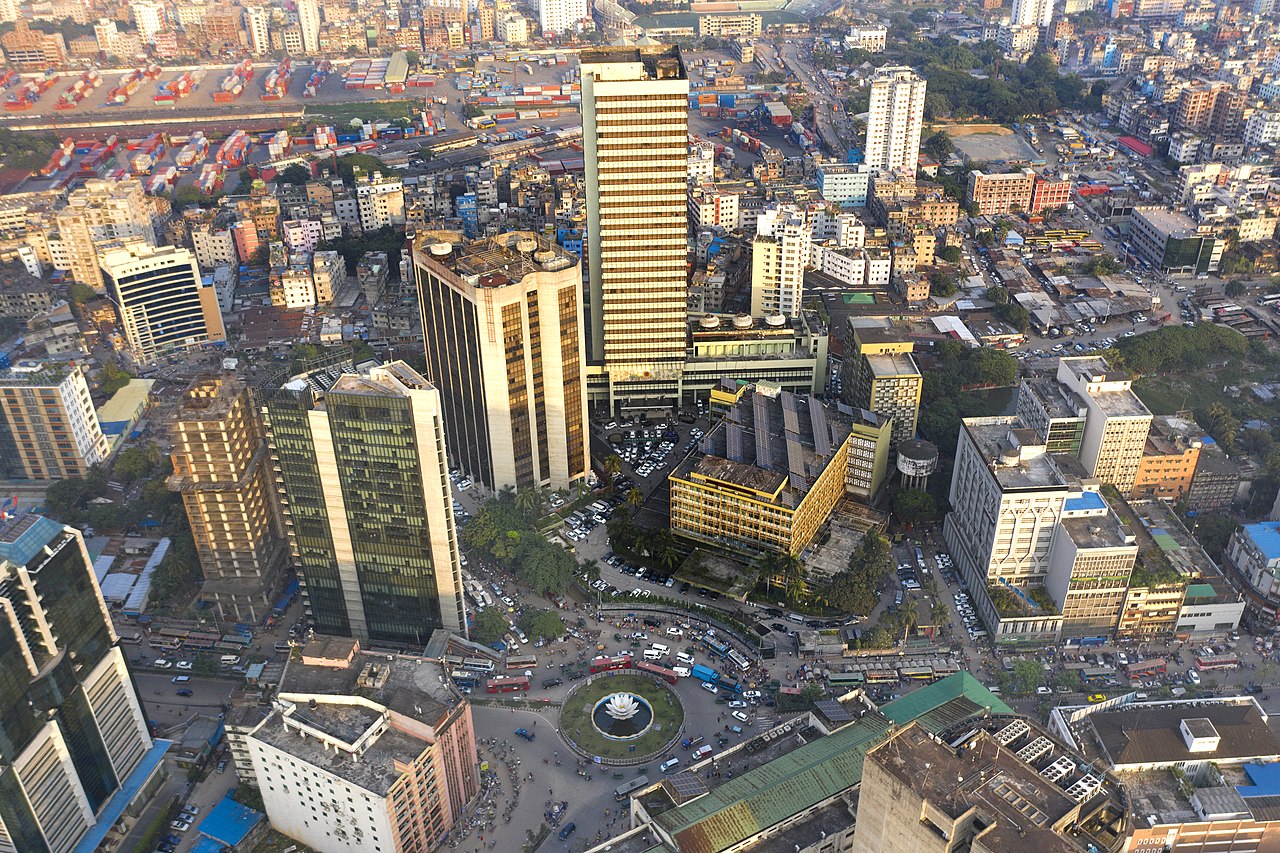
Bengali culture is known for its literature, music, visual arts and festivals such as Durga Puja and Pohela Boishakh (Bengali New Year). Economically, the area combines intensive agriculture (rice, jute, vegetables), tea production in the north, textile and industrial activity in urban centres, and significant remittances and services. Major cities like Kolkata in India and Dhaka in Bangladesh are cultural and economic hubs.
Key characteristics and notable facts
- Distinctive Bengali language and literary tradition that crosses national borders.
- High population density and intensive land use in the delta plains.
- Important ecological zones such as the Sundarbans mangroves, which buffer storms and support biodiversity.
- A history marked by alternating unity and division under local dynasties, imperial rulers and colonial administration.
Bengal remains influential in regional politics, culture and economy. Its partition left enduring social and political legacies while shared linguistic and cultural ties continue to connect communities across the international border. For further introductions and maps consult regional resources and historical overviews via links above.
divided region | South Asia | Bangladesh | India | British India | West Bengal | Ganges Delta
Related articles
Author
AlegsaOnline.com Bengal: geography, history, culture and modern divisions Leandro Alegsa
URL: https://en.alegsaonline.com/art/10500