
Cabinet (furniture): types, construction, uses and care
An overview of cabinets — enclosed furniture for storage — covering materials, parts, historical use, types (kitchen, display, filing), construction methods, and safety and maintenance.
A cabinet is a piece of furniture with enclosed storage, typically consisting of shelves, drawers or compartments behind one or more doors. Cabinets range from small wall-mounted medicine units to large freestanding wardrobes or built-in kitchen systems. They serve both functional and aesthetic roles in homes, offices, laboratories and retail spaces, and are made in many sizes and styles to suit different needs.
Image gallery
6 Images


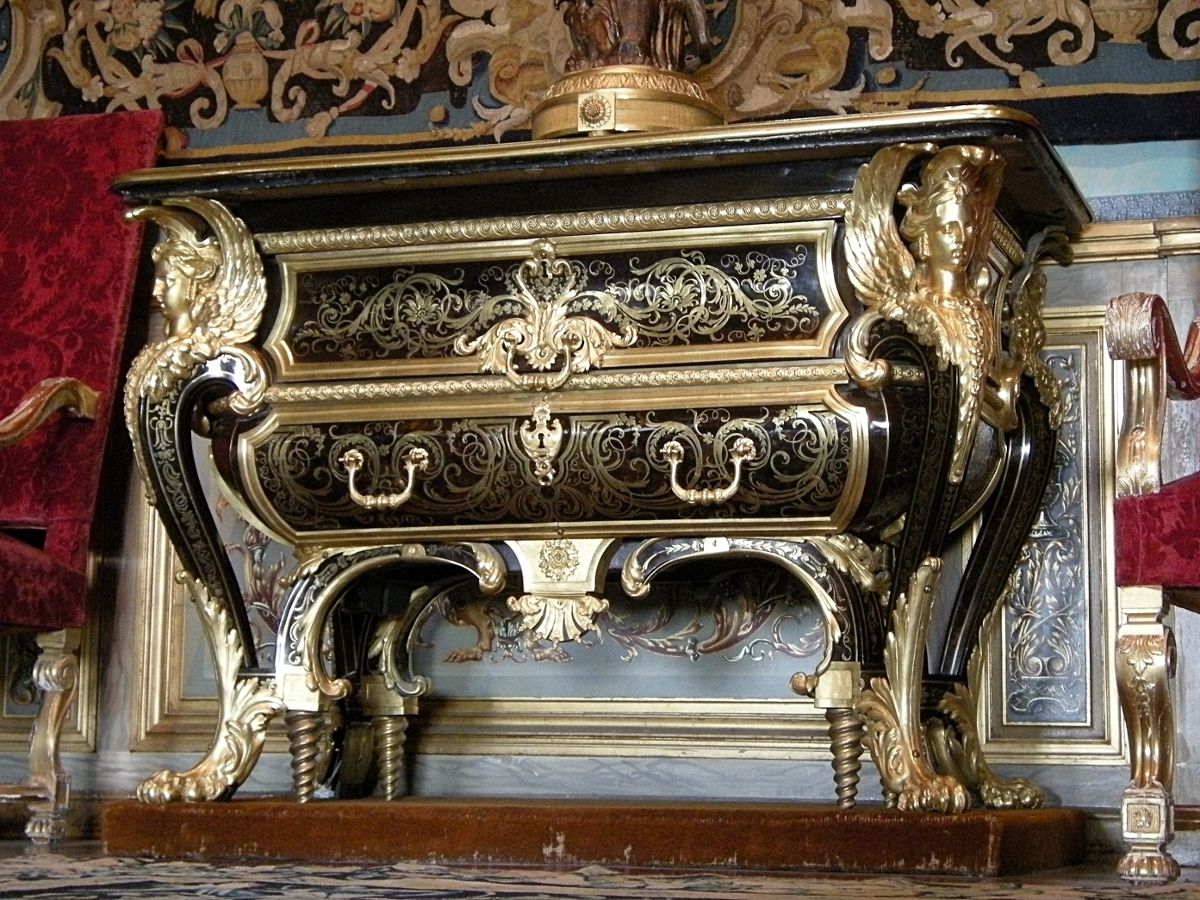

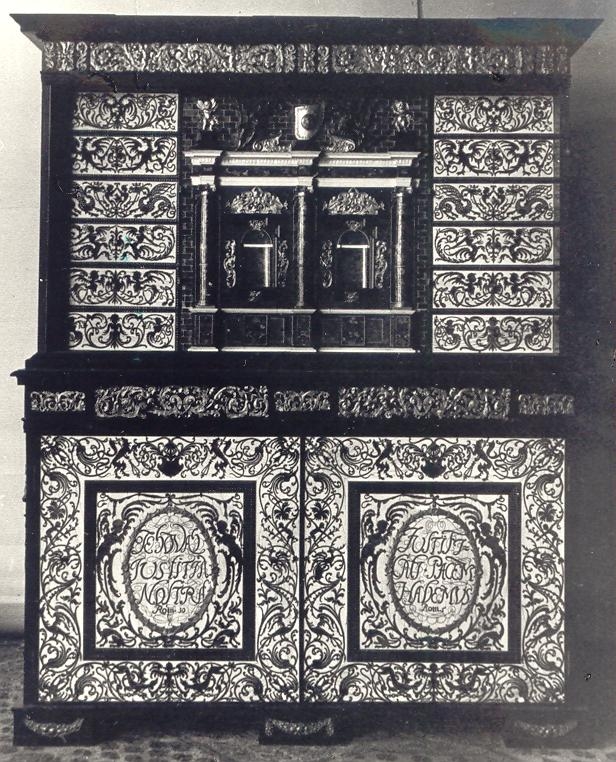
Common parts and materials
Most cabinets share a basic set of components: a carcass (the box), doors and/or drawer fronts, internal shelving, and hardware such as hinges, drawer slides and handles. Materials commonly used include solid wood, plywood, medium-density fiberboard (MDF), particleboard with laminate, and metal for industrial or public installations. Glass and acrylic are often used for display doors or shelving. Finishes range from natural stains and veneers to paint, lacquer and laminate surfaces.
Construction and styles
Construction approaches vary: face-frame cabinets have an external frame attached to the front of the carcass; frameless or "European" cabinets omit that frame for full-access openings. Joinery can be traditional (dovetail, mortise-and-tenon) or modern (cam-locks, dowels). Styles include shaker, flat-panel, raised-panel and glass-front designs; cabinets may be stock, semi-custom or fully custom. For technical details and guides see construction notes and material comparisons.
Types and typical uses
- Kitchen cabinets: base, wall and tall units for cookware, food and appliances.
- Bathroom cabinets: medicine cabinets and vanity storage.
- Display cabinets: glazed cases for collections and retail items.
- Filing and storage cabinets: metal or wood units for offices and archives.
- Specialty cabinets: laboratory, audio/video, and locked security cabinets.
Examples of installation and layout planning are available at design resources and installation guides.
History, distinctions and care
The term "cabinet" has long been associated with furniture for securely storing objects and with curated collections ("cabinets of curiosities") from earlier centuries. In everyday use, terms like "cupboard" or "closet" may overlap with cabinet but often imply different scale or purpose. Cabinets require care: avoid prolonged exposure to moisture, tighten hardware periodically, and secure tall freestanding units to walls to prevent tip-over. For safety and standards information consult safety guidance.
Properly chosen and maintained cabinets improve organization and protect contents while contributing to the visual character of a room. Whether custom-built or off-the-shelf, they remain a central element of interior design and practical storage solutions.
Related articles
Author
AlegsaOnline.com Cabinet (furniture): types, construction, uses and care Leandro Alegsa
URL: https://en.alegsaonline.com/art/15847