
Houston: Texas metropolis, port, energy hub and cultural center
Overview of Houston, Texas: history, geography, economy, institutions (Johnson Space Center, Texas Medical Center), transportation, culture, and notable facts about the nation’s fourth-largest city.
Overview
Houston is the largest city in the state of Texas and one of the most populous cities in the United States. It is widely described as the nation's fourth-largest city and is home to a diverse population of more than two million residents. The city combines a major port, an energy industry base, a significant health‑care complex, and a major center for spaceflight operations.
Image gallery
10 Images



Geography and urban character
Located near the Gulf of Mexico on a broad coastal plain, Houston grew from a 19th‑century trading town into a sprawling metropolitan region. Its built environment mixes dense downtown neighborhoods and high‑rise clusters with extensive suburbs, industrial corridors, and green spaces. The low elevation and flat terrain contribute to periodic flooding challenges during heavy storms, which has shaped infrastructure and planning decisions.
History and name
The city's name honors Sam Houston, a military and political leader who played a key role in the Texas Revolution of 1836. Over the nineteenth and twentieth centuries, Houston expanded rapidly as rail lines, the Port of Houston, and oil discoveries attracted people and investment. The contemporary city reflects waves of migration and immigration that have made it culturally and linguistically varied.
Institutions, economy and employment
Houston’s economy is broad but often associated with energy production, particularly oil and natural gas, as well as petrochemicals, manufacturing, and international trade through the port. Health care and biomedical research are concentrated at the Texas Medical Center, the world’s largest medical complex. Aerospace activity is centered on the Johnson Space Center, operated by NASA, which supports human spaceflight operations, research, and outreach.
Government, transport and infrastructure
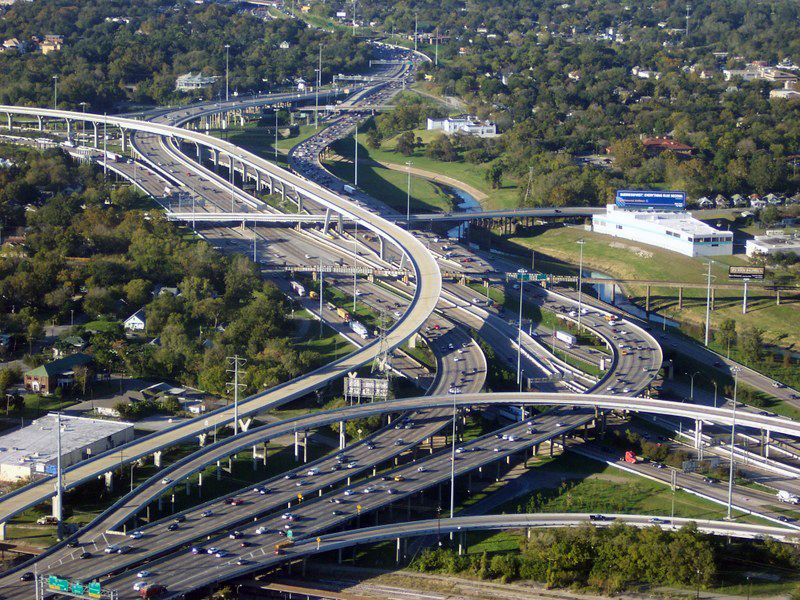
Municipal governance is led by an elected mayor; since 2015 the office has been held by Sylvester Turner. The city is served by multiple airports: the region’s primary gateway is George Bush Intercontinental Airport, while another international airport closer to downtown provides domestic and international flights. A complex network of highways, rail freight, and the Port of Houston supports the movement of goods and people across the metropolitan area.
Culture, sports and notable facts
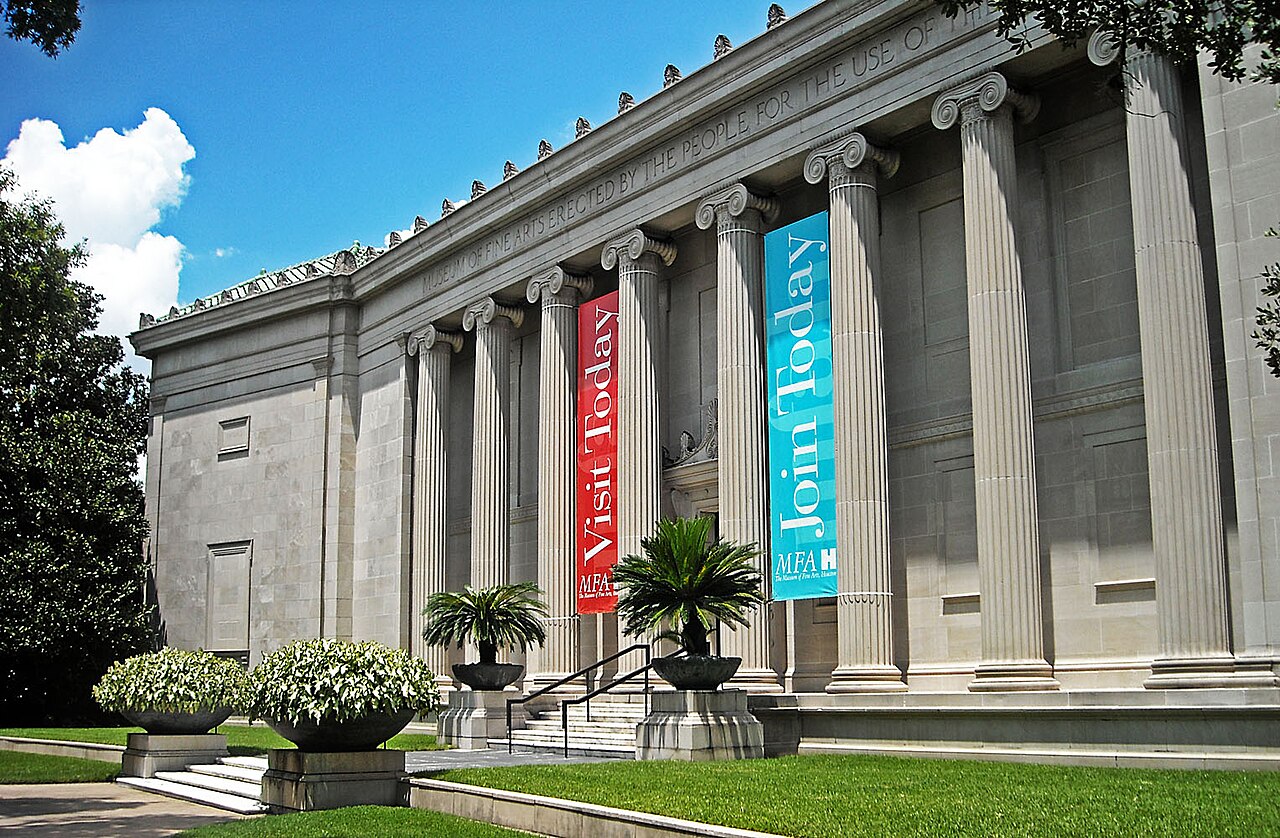
Houston is known for its cultural institutions, including museums, performing arts, and a wide culinary scene that reflects its multicultural population. The city supports major professional sports franchises and hosts festivals and events that draw regional and national audiences. Notable facts include Houston’s role in spaceflight history, its global standing in medical care and research, and its large, diversified economy.
Quick facts and distinctions
- Named for an early Texas leader and central to the state’s history.
- Home to major institutions: the Texas Medical Center and NASA’s Johnson Space Center.
- A commercial and industrial hub with a large port and strong ties to energy and trade.
- Served by major airports for international travel and cargo.
For further reading, official and cultural resources provide in‑depth information about Houston’s neighborhoods, planning initiatives, and economic sectors. Specialized sites and local institutions offer guides to museums, parks, and business services that define everyday life in this dynamic American metropolis.
Related articles
Author
AlegsaOnline.com Houston: Texas metropolis, port, energy hub and cultural center Leandro Alegsa
URL: https://en.alegsaonline.com/art/45382
Sources
- factfinder.census.gov : "US Census Bureau Population Finder: Houston city, TX"
- census.gov : "Population Estimates for the 25 Largest U.S. Cities based on July 1, 2006 Population Estimates"
- factfinder.census.gov : "American FactFinder"
- geonames.usgs.gov : "US Board on Geographic Names"
- commons.wikimedia.org : Houston