
Buddleja (butterfly bush): description, cultivation, and ecological notes
Buddleja, commonly called butterfly bush, is a genus of flowering shrubs valued for nectar-rich blooms. This article covers appearance, taxonomy, history, cultivation, uses and ecological impacts.
Overview
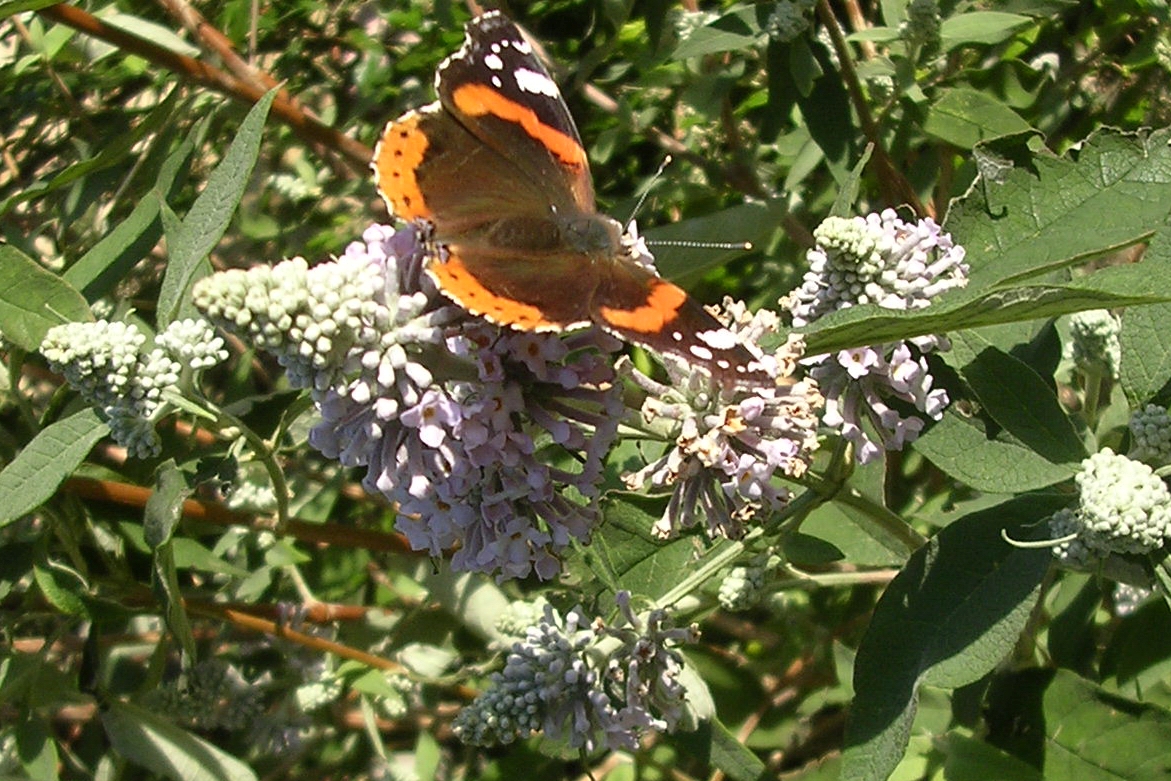
Buddleja is a genus of woody flowering plants often known as butterfly bushes because their nectar-rich flower clusters attract butterflies and other pollinators. Species in the genus range from small shrubs to small trees and are grown widely in gardens for their conspicuous inflorescences and long flowering season. The best-known species is Buddleja davidii, frequently used as a garden specimen and as a parent in many hybrids.
Image gallery
7 Images




Characteristics
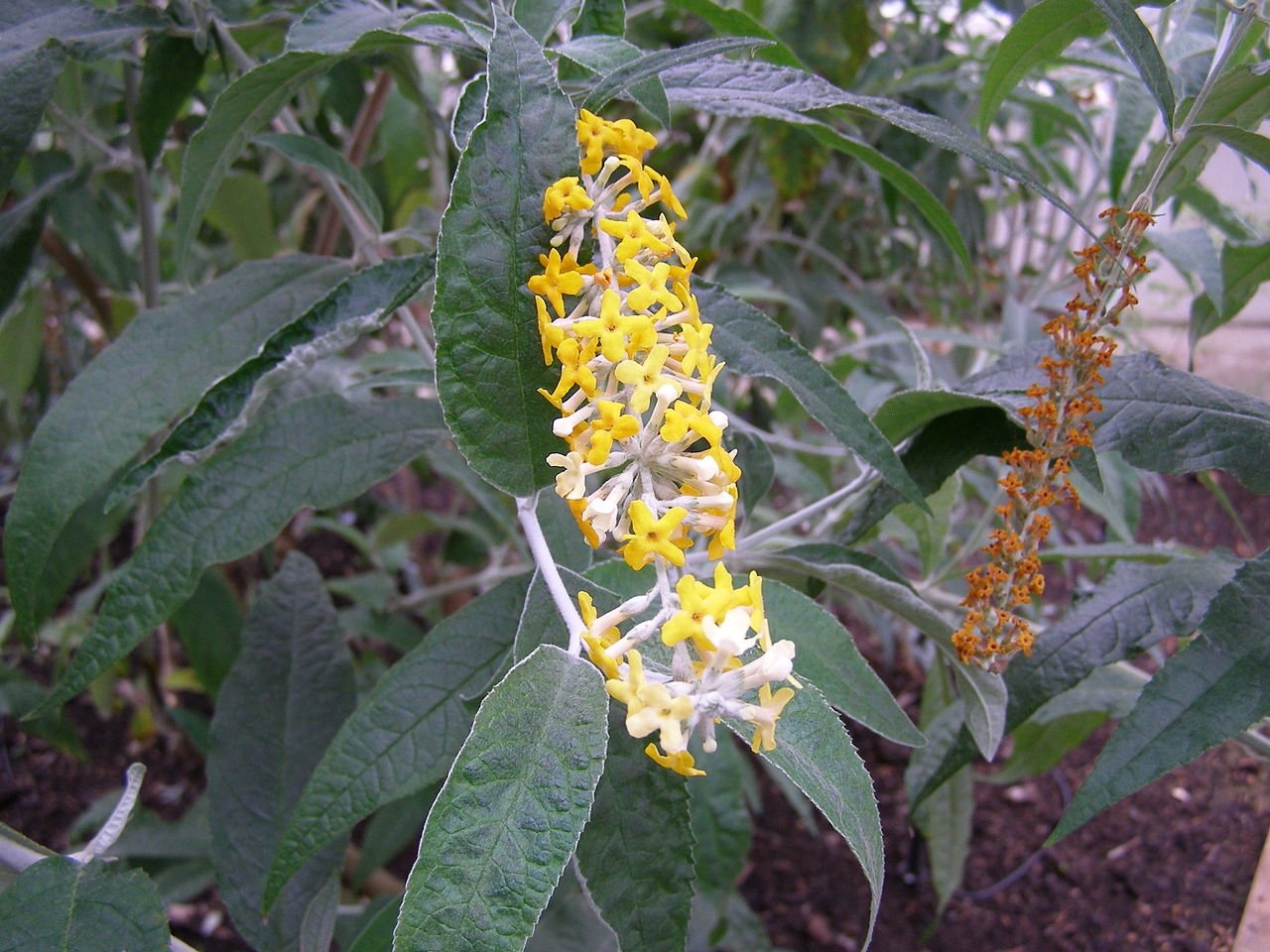
Plants in this genus typically bear lance-shaped leaves arranged opposite or (in some species) alternately, and they produce dense panicles or racemes of tubular flowers in colors from white and pink to purple and yellow. Many species are aromatic when in bloom. Growth habit varies: some are low and spreading, others erect and tree-like. Flowering often peaks in summer and can continue into autumn in temperate climates.
Notable species and varieties
- Buddleja davidii — the common garden butterfly bush, widely cultivated and a prolific seeder.
- Buddleja globosa — notable for spherical, bright yellow flower heads.
- Buddleja alternifolia — known for arching branches and pendulous flower racemes.
Taxonomy and history
The name commemorates the English botanist Adam Buddle. Modern systems place the genus in the figwort family, Scrophulariaceae, within the order Lamiales. The group has a complex taxonomic history and has been associated with other families and orders in older classifications; the generic name and its circumscription were refined through botanical work in the 18th and 19th centuries. See the entry for the genus for more formal classification details and older treatments that associated it with groups such as Gentianales.
Cultivation, uses and management
Buddleja species are popular in ornamental horticulture for borders, wildlife gardens and for attracting pollinators. They are adaptable to many soil types and prefer sunny, well-drained sites. Common propagation methods include seed and cuttings. In some regions, vigorous species like B. davidii can escape cultivation and become invasive, colonizing disturbed ground and outcompeting native plants; gardeners are advised to remove seedheads or choose sterile or low-seeding cultivars where invasiveness is a concern.
Ecological importance and distinctions
Besides their horticultural value, buddlejas are important nectar sources for butterflies, bees and hummingbirds. Their role in urban and disturbed ecosystems can be beneficial for pollinators but problematic for native-plant conservation when the shrubs naturalize. Distinctive features across the genus—flower form, color, and branching habit—help distinguish species and cultivars, and selective breeding continues to produce forms with varied size, flower color and reduced fertility.
Related articles
Author
AlegsaOnline.com Buddleja (butterfly bush): description, cultivation, and ecological notes Leandro Alegsa
URL: https://en.alegsaonline.com/art/15080
Sources
- uniprot.org : "Genus Buddleja"
- tropicos.org : "Buddleja L."
- ars-grin.gov : "Genus Buddleja L."