
Sargassum — free‑floating brown algae and its ecological role
Sargassum is a genus of brown macroalgae, including free‑floating species that form rafts in the Atlantic's Sargasso Sea and coastal blooms. It provides habitat but can also create beaching problems.
Overview
Sargassum is a genus of brown macroalgae in the order Fucales. Several species are holopelagic (truly free‑floating) while others attach to substrates. The floating forms aggregate into mats or rafts that can persist for long periods at sea. The Atlantic Ocean is home to extensive floating populations; the region known as the Sargasso Sea takes its name from these dense assemblages. Sargassum is commonly described as seaweed in marine biology and oceanography texts.
Image gallery
9 Images


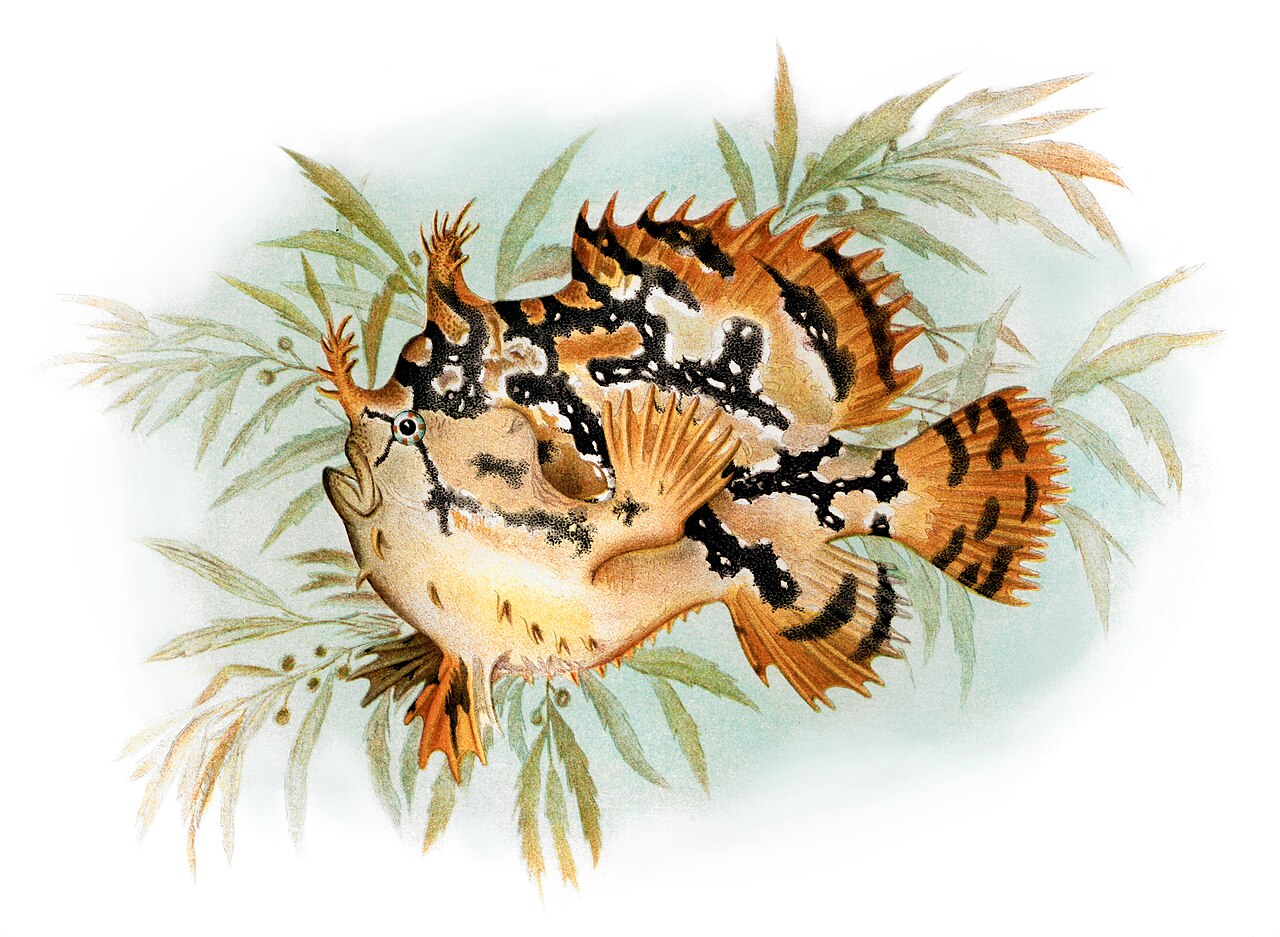

Characteristics and structure
Members of this genus are brown algae with a visibly branched thallus, often bearing small gas vesicles (pneumatocysts) that provide buoyancy. Fronds may carry reproductive structures and specialized blades. Benthic species have holdfasts that attach to rock or other hard surfaces; pelagic species lack permanent attachment and survive as drifting rafts. The most often observed pelagic forms in recent decades include species like Sargassum natans and Sargassum fluitans (commonly referenced in ecological studies).
Ecology and importance
Floating Sargassum rafts form mobile ecosystems. They offer shelter, feeding grounds and nursery habitat for a wide range of organisms — from microscopic communities to fish, crustaceans, sea turtles and seabirds. As primary producers, these algae contribute to coastal and open‑ocean food webs and carbon cycling. They can transport organisms and nutrients across ocean basins, influencing regional biodiversity.
Human uses and impacts
- Traditional and experimental uses: Sargassum has been used historically as fertilizer and soil conditioner and is being investigated for uses such as animal feed, biochar, biofuel precursors and sources of alginates; many applications remain under research rather than widespread commercial practice.
- Coastal impacts: Large influxes wash ashore, where decomposition can produce odors and hydrogen sulfide, harm tourism, smother seagrass and coral reef edges, and impose cleanup costs on communities.
History, recent developments and notable facts
The Sargasso Sea and its floating algae were noted by early trans‑Atlantic sailors; they remain a named oceanographic feature because of the persistent presence of Sargassum. In recent years, unusually large blooms and coastal strandings have drawn attention from scientists and managers, who link them to changing ocean conditions and nutrient inputs, though causal relations are actively studied. For general regional context see references to the Atlantic Ocean and marine habitat accounts at standard resources (seaweed overviews).
Distinctions
- Pelagic vs. benthic Sargassum: floating rafts vs. attached forms.
- Ecological asset vs. nuisance: habitat provider in open ocean, potential coastal problem when excessive amounts strand ashore.
Related articles
Author
AlegsaOnline.com Sargassum — free‑floating brown algae and its ecological role Leandro Alegsa
URL: https://en.alegsaonline.com/art/87352
Sources
- algaebase.org : "Algaebase"