
Bryophyte: simple non-vascular land plants (mosses, liverworts, hornworts)
Bryophytes are non-vascular land plants—including mosses, liverworts and hornworts—characterized by small size, a dominant gametophyte stage, and key ecological roles in soil formation and moisture retention.
Bryophytes are a group of small, non-vascular plants that represent some of the simplest organisms adapted to life on land. The term is commonly used to describe three related types of plants: mosses, liverworts and hornworts. More generally these organisms are referred to as simple plants because they lack the complex internal water-conducting tissues found in vascular plants. In formal botanical classification the name Bryophyta has been applied in different ways; some modern systems reserve Bryophyta for mosses alone while grouping liverworts and hornworts separately (see modern classifications).
Image gallery
9 Images


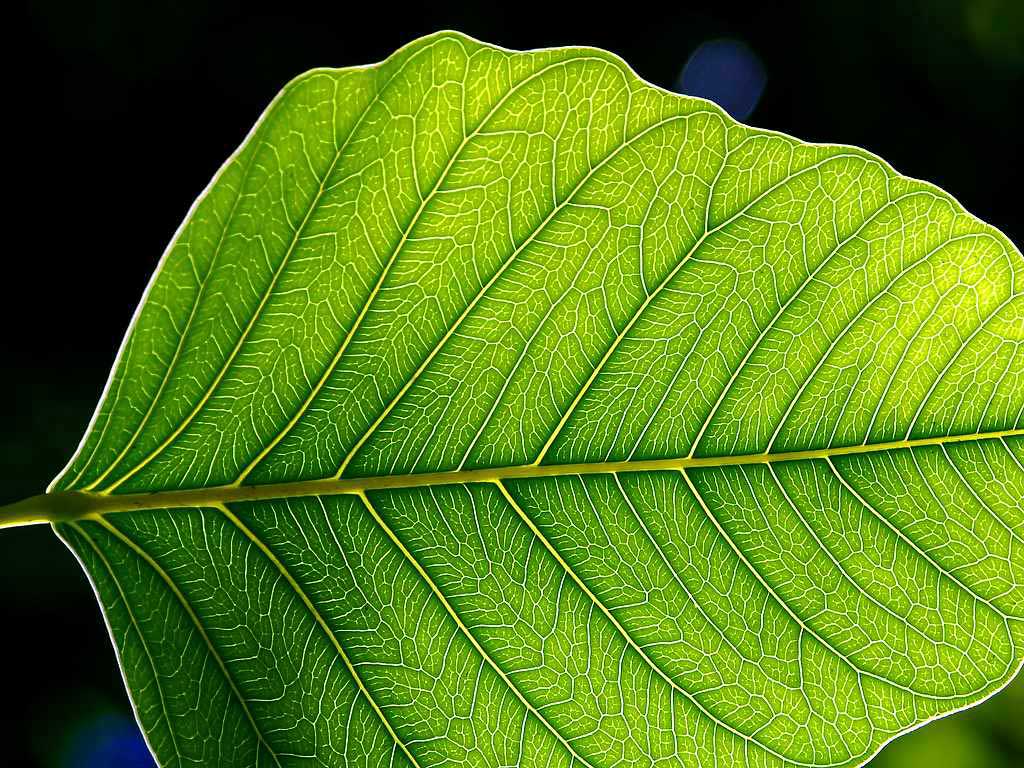
General characteristics
Bryophytes are typically small and inconspicuous, although they can form dense mats or carpets that are ecologically important. They do not produce true roots, stems and leaves in the same sense as vascular plants; instead they have rhizoids that anchor the plant and thin photosynthetic tissues that perform similar functions. Because they lack xylem and phloem, bryophytes rely on direct water absorption and diffusion, which limits their maximum size and favors moist or periodically wet habitats. Most species are green, photosynthetic, and reproduce using spores rather than seeds.
Life cycle and reproduction
A defining feature of bryophytes is their life cycle, which displays a dominant gametophyte stage: the plant body that you see is haploid and produces gametes. When sperm from a male structure reaches an egg in a female structure—often requiring a film of water for movement—fertilization produces a diploid sporophyte. The sporophyte is usually small and attached to the gametophyte and generates spores by meiosis. These spores disperse and grow into new gametophytes. This alternation of generations is similar in principle to other land plants but differs in which generation is dominant and independent.
Diversity and distinguishing groups
- Mosses: generally leafy in appearance, often forming cushions or carpets; many species tolerate drying and rehydrate when moisture returns. See mosses for details.
- Liverworts: frequently flattened and thalloid or leafy; thought to be among the earliest land plants and possibly derived from green algae ancestors.
- Hornworts: usually have a simple thallus with long, horn-like sporophytes that can continue growing and producing spores over extended periods.
Ecology, uses and importance
Bryophytes play important roles in many ecosystems. They help stabilize soil, retain moisture, contribute to the formation of peat in bogs, and provide habitat or food for small animals and microorganisms. Peat-forming species have economic and environmental significance because peat stores carbon and has been used historically as a fuel and soil amendment. In ecology and restoration, bryophytes are indicators of microclimate and air quality because of their sensitivity to moisture and pollutants. They are also used in horticulture, terrariums and as model organisms in scientific studies of plant evolution and development.
Evolution, study and notable facts
Fossil and molecular evidence suggests that bryophytes represent some of the earliest lineages of land plants. Liverworts in particular are often cited as close to the first land-adapted plants, from ancestors related to certain green algae. The scientific study of bryophytes is known as bryology, and specialists are called bryologists. Field guides and floras treat bryophytes alongside vascular plants in many botanical surveys, and modern classification continues to change as genetic data clarify relationships among groups (modern classifications).
For introductions or field identification keys, general resources and databases provide images and species descriptions; see entries on simple plants, group pages for mosses, liverworts and hornworts, and broader taxonomic treatments such as Bryophyta for further reading. Popular summaries and conservation information are also available through botanical organizations and educational websites (classification resources).
Questions and answers
Q: What are bryophytes?
A: Bryophytes are simple land plants that do not have tissues to move water.
Q: What are the three forms of bryophyte?
A: The three forms of bryophyte are mosses, liverworts, and hornworts.
Q: What is the formal term for the division of plants that do not have tissues to move water?
A: The formal term for the division of plants that do not have tissues to move water is Bryophyta.
Q: Do all modern classifications include mosses in the term bryophyta?
A: No, not all modern classifications include mosses in the term bryophyta.
Q: From which plant did liverworts evolve?
A: Liverworts evolved from green algae.
Q: From which plant did moss and hornworts evolve?
A: Moss and hornworts evolved from liverworts.
Q: What is the name for a person who studies bryophytes?
A: A person who studies bryophytes is called a bryologist.
Related articles
Author
AlegsaOnline.com Bryophyte: simple non-vascular land plants (mosses, liverworts, hornworts) Leandro Alegsa
URL: https://en.alegsaonline.com/art/14959