
Buckwheat: biology, uses, cultivation, and culinary traditions
Buckwheat is a pseudocereal cultivated for its triangular seeds. Not a true grass, it is used worldwide as groats, noodles, and flour; it has agricultural, nutritional, and ecological roles.
Overview
Buckwheat (Fagopyrum esculentum and related species) is a broad-leaved herb grown for its small, triangular seeds that serve the same culinary role as cereal grains. Although often grouped with cereals in cooking, buckwheat is not a true grass; it belongs to the knotweed family and is therefore classified as a pseudocereal. Its seeds are starchy, nutritious, and can be eaten whole, hulled, roasted, or milled into flour.
Image gallery
10 Images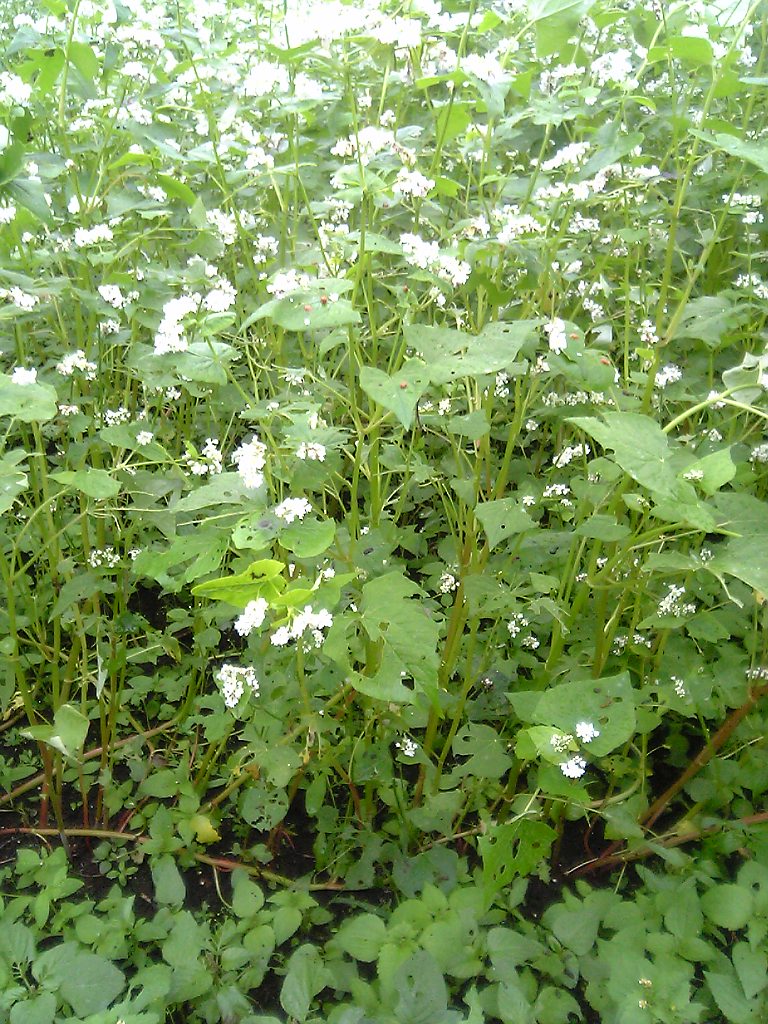


Characteristics and taxonomy
Buckwheat is a fast-growing annual with heart-shaped leaves and clusters of white or pinkish flowers that are attractive to pollinators. Botanically it is closer to plants such as sorrel and rhubarb than to cereal grasses. It is commonly described as a plant cultivated for its grain-like seeds. Unlike wheat, which is a member of the grass family and a true cereal, buckwheat is unrelated to those species and is often called a cereal only in culinary terms rather than botanical ones. Its seeds are sometimes compared in shape to the nuts of the beech tree, a resemblance that influenced the common name.
History and cultivation
Domestication of buckwheat is believed to have occurred in Asia and it spread to Europe centuries ago, becoming an important staple in regions where soils or climates limited the growth of other staple crops. Cultivation expanded historically in parts of Eastern Europe, Russia, China and Japan. In the 20th century the area under buckwheat declined in many countries as high-input cereal crops became more productive with the widespread use of nitrogen fertilizer and mechanized agriculture. Nevertheless, buckwheat remains widely grown in areas where its rapid maturation, tolerance of poor soils and usefulness as a cover crop are valued.
Processing, uses and culinary examples
Buckwheat seeds are processed in several ways: hulled whole seeds are known as groats and are eaten boiled or roasted; roasted groats are a traditional food called kasha in Eastern Europe. Milled buckwheat flour is used for pancakes, breads and batter-based dishes; in Japan, buckwheat flour is the main ingredient in soba noodles. Because the grain is naturally free of gluten, buckwheat flour is used in gluten-free baking and mixed with other flours for variety in texture and flavor.
Nutritional and ecological importance
Nutritionally, buckwheat supplies complex carbohydrates, fiber and a notable profile of essential amino acids relative to many other plant foods. It also contains minerals and flavonoids such as rutin, compounds that have attracted attention for their antioxidant properties. Agriculturally, buckwheat is valued as a short-season crop, a green manure, and a source of nectar for bees; its flowers are particularly attractive to pollinators. These qualities make it useful in crop rotations and conservation plantings.
Distinctions and notable facts
- Buckwheat is a pseudocereal: used like a grain but not a grass.
- Its botanical relatives include species in the knotweed family rather than cereal grasses; it differs fundamentally from true grasses.
- Traditional foods include Eastern European kasha and Japanese soba; modern uses emphasize gluten-free diets and specialty baking.
- Although less common than major cereals, buckwheat persists for its adaptability and ecological benefits.
For concise reference on cultivation, culinary uses and plant biology see general resources and crop guides available through agricultural extension services and dietary publications (plant profiles, cereal comparisons, wheat distinctions, seed morphology, family relations, related crops, fertilizer effects).
Questions and answers
Q: What is buckwheat?
A: Buckwheat is a plant with seeds that can be used as a cereal.
Q: Is buckwheat a type of grass?
A: No, buckwheat is not a true grass.
Q: How is buckwheat related to wheat?
A: Buckwheat is not related to wheat because wheat is a true grass and buckwheat is not.
Q: How did buckwheat get its name?
A: Buckwheat got its name because its seeds look like small beech tree seeds, and beech is also called buck.
Q: What is buckwheat related to?
A: Buckwheat is related to sorrel, knotweed, and rhubarb.
Q: Why is buckwheat referred to as a pseudocereal?
A: Buckwheat is referred to as a pseudocereal because its seeds are used in cooking the same as cereals because they have complex carbohydrates.
Q: Why did the cultivation of buckwheat grain decline in the 20th century?
A: The cultivation of buckwheat grain declined sharply in the 20th century due to the adoption of nitrogen fertilizer which increased the productivity of other staples.
Related articles
Author
AlegsaOnline.com Buckwheat: biology, uses, cultivation, and culinary traditions Leandro Alegsa
URL: https://en.alegsaonline.com/art/15048