
Agriculture in Pakistan: crops, irrigation, history and challenges
Summary of Pakistan's agricultural sector: economic role, major crops and rankings, irrigation and livestock, historical development, uses, and current challenges including water and climate risks.
Pakistan's agriculture is a central pillar of its economy and society. Roughly one quarter of the country's land is cultivated and much of it is served by one of the world's largest contiguous irrigation networks fed by the Indus River system. Agriculture contributes a substantial portion of national output and provides livelihoods for a large share of the workforce, with crop farming and livestock together supporting rural incomes, food security and inputs to industry.
Image gallery
5 Images



Characteristics and structure
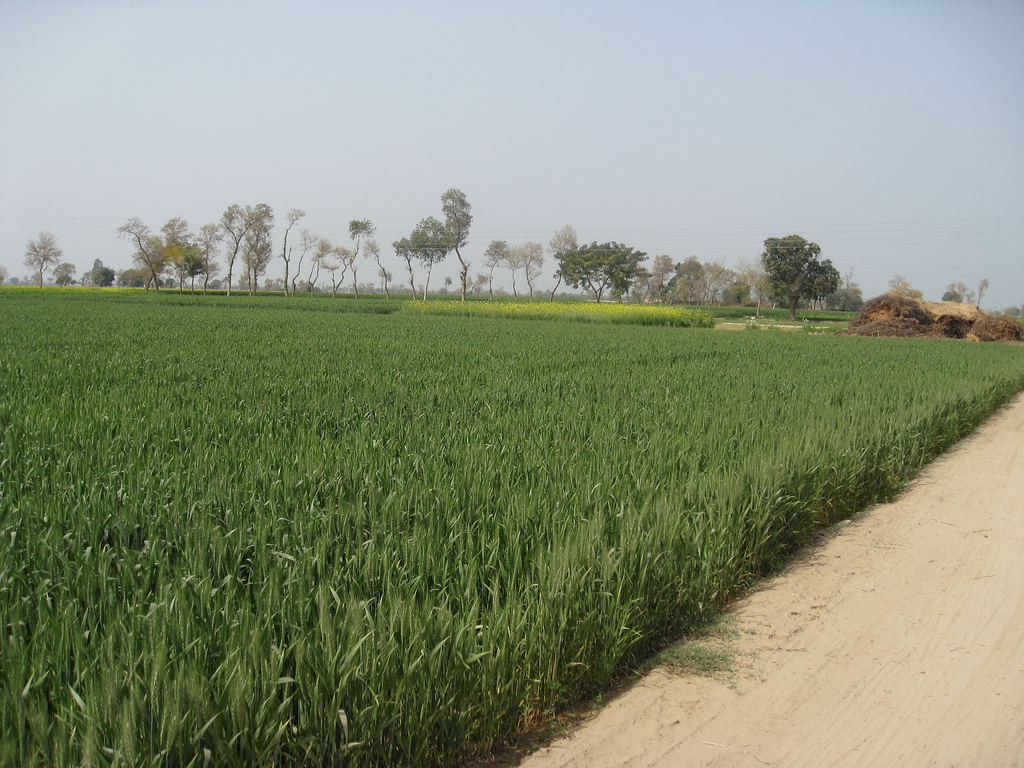
Farming in Pakistan blends irrigated and rainfed systems. The irrigated plains of Punjab and Sindh support intensive, multi‑crop cultivation, while upland and arid zones in Balochistan and Khyber Pakhtunkhwa are dominated by pastoralism and rainfed cereals. Landholdings are often small and fragmented; many farmers combine crop cultivation with livestock rearing. Two broad cropping seasons—Kharif (summer) and Rabi (winter)—determine timing for staples and cash crops. Irrigation infrastructure of canals, reservoirs and tube wells shapes productivity, but groundwater depletion and soil salinity remain persistent local problems.
Major crops and rankings
Pakistan produces a mix of staples, industrial crops and fruits. Several crops rank high globally in production or export importance. Notable examples include:
- chickpea — among the world leaders in output;
- apricot — a prominent stone fruit in certain provinces;
- cotton — a key fiber crop forming the base of the textile industry;
- sugarcane — an important industrial and sugar crop celebrated in local diets and traditions;
- milk and dairy products — Pakistan ranks among the largest milk producers globally;
- onion — a widely produced vegetable;
- date palm — cultivated in southern and arid districts;
- mango — widely grown and culturally valued as the country’s principal fruit;
- tangerines and mandarins — important citrus varieties;
- rice — both staple and export crop, with aromatic varieties prized abroad;
- wheat — the main staple cereal across much of the country;
- oranges — cultivated for domestic use and export markets.
History and development
Agriculture in the region has very deep historical roots, extending back to the Indus Valley civilization. In the modern era, expansion of canal irrigation and introduction of high‑yielding varieties during the mid‑20th century increased production and altered rural economies. Government policies, land tenure patterns and the growth of agro‑industries (notably textiles, sugar and dairy) have shaped the sector's evolution. At the same time, population growth has maintained strong demand for food and agricultural employment in Pakistan.
Uses, economic importance and examples
Beyond providing food, agriculture supplies raw materials to manufacturing—cotton to textiles, sugarcane to sugar mills, and hides to leather processing—and is central to export earnings through crops like rice and cotton and fruits such as mangoes. Livestock and dairy are major components: milk and related products serve domestic nutrition and commercial markets. Rural economies rely on seasonal labor and allied services, including input suppliers, transport and food processing.
Contemporary challenges and notable facts
Key constraints include water scarcity and inefficient irrigation, soil degradation and salinity, vulnerability to floods and droughts, fragmentation of landholdings, pest pressures, and the need for improved value chains and market access. Climate change is increasing the frequency of extreme weather events, adding pressure on yields and rural livelihoods. Notable features often highlighted are the extensive Indus irrigation network, Pakistan’s high rankings for several crops and its large dairy sector. Efforts to modernize the sector emphasize better water management, mechanization, seed and fertilizer quality, and investment in storage and processing.
For readers seeking detailed statistics, production profiles and policy discussions, follow specialized agricultural reports and databases via the links above, which point to further resources on specific commodities and sectoral issues.
Tags
Related articles
Author
AlegsaOnline.com Agriculture in Pakistan: crops, irrigation, history and challenges Leandro Alegsa
URL: https://en.alegsaonline.com/art/1444