
Charsadda: city, district capital and archaeological region in Khyber Pakhtunkhwa
Charsadda is a city in Pakistan's Khyber Pakhtunkhwa province and the administrative centre of Charsadda District, known for fertile agricultural land and major archaeological remains of the ancient Gandhara region.
Overview
Charsadda is a city in Pakistan that functions as the administrative centre of Charsadda District. It lies within the province of Khyber Pakhtunkhwa and occupies a strategic location on the fertile plains north of Peshawar. The urban area serves as a local market town, government hub and service centre for surrounding agricultural communities. For general maps and introductions, see further information.
Image gallery
4 Images


Geography and economy
Charsadda is set on low, irrigated plains shaped by regional river systems. The soils and irrigation infrastructure support intensive farming; local agriculture supplies staples and cash crops to nearby cities. The city is connected by road to larger regional centres and hosts wholesale and retail markets that trade agricultural produce and everyday goods.
History and archaeology
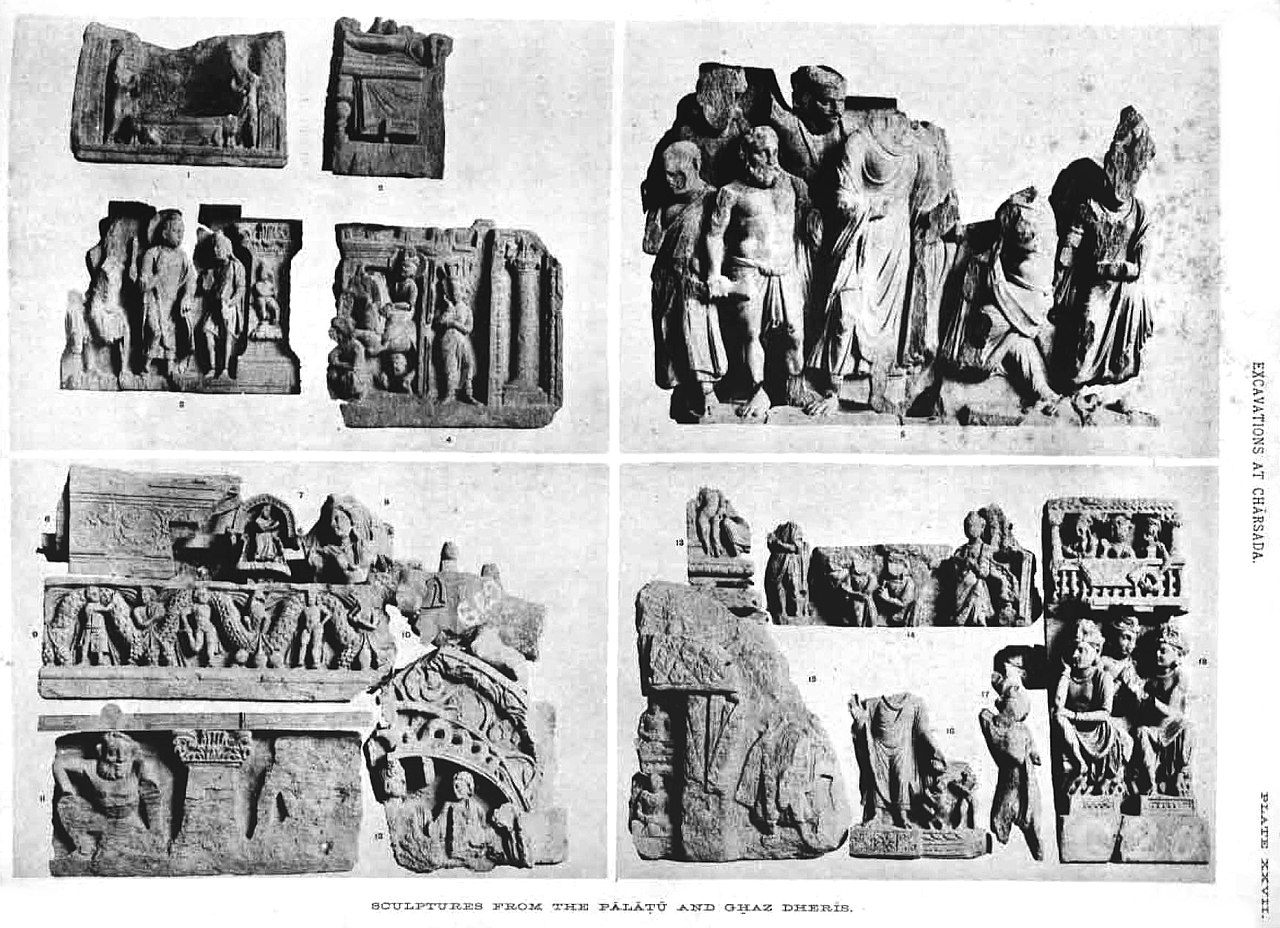
The area around modern Charsadda is part of the greater Gandhara region, known for an extended history of urban settlement and Buddhist art. Archaeological remains, often identified with ancient sites in the district, have revealed layers of occupation from early historic times through classical antiquity and later periods. Excavations in the wider region have produced sculptures, pottery and structural remains that illustrate cultural exchanges among South Asian, Central Asian and Hellenistic influences.
Culture and people
The population of Charsadda is predominantly Pashtun and Pashto is widely spoken alongside national languages. Social life revolves around markets, local religious and cultural festivals, and community institutions. Traditional crafts, small‑scale trade and farming remain important sources of livelihood, while younger residents increasingly seek education and employment in larger cities.
Notable features and challenges
- Archaeological significance: proximity to important ancient sites that attract researchers and contribute to regional identity.
- Agricultural role: a market node for crops produced on the surrounding plains.
- Environmental vulnerability: location near river systems can bring both irrigation benefits and risk of seasonal flooding.
- Administrative importance: as the district capital, Charsadda hosts government offices and public services for the area.
Together, these elements make Charsadda a place of historical interest and contemporary regional importance within Khyber Pakhtunkhwa and Pakistan, connecting rural hinterlands with urban centres and preserving a layered cultural heritage that continues to be explored by scholars and visited by those interested in the subcontinent's past.
Tags
Related articles
Author
AlegsaOnline.com Charsadda: city, district capital and archaeological region in Khyber Pakhtunkhwa Leandro Alegsa
URL: https://en.alegsaonline.com/art/18886