
British Asian: communities, history, and influence in the United Kingdom
Overview of British Asian communities: origins, major subgroups, migration history, cultural and economic contributions, regional distribution, and contemporary identity issues.
British Asians are people in the United Kingdom whose family origins lie in various parts of Asia. The term covers a wide range of ethnic, linguistic and religious backgrounds rather than a single homogeneous group. According to the 2011 census, people identifying as Asian made up around 7% of the population of the UK, a share that has grown through subsequent decades of migration and natural increase.
Image gallery
10 Images





Communities and characteristics
- South Asian groups: The largest constituent populations are of South Asian origin, including British Indians, British Pakistanis and British Bangladeshis. Many trace ancestry to areas of South Asia and retain languages such as Punjabi, Urdu, Bengali, Hindi, Gujarati and others.
- East and Southeast Asian groups: British Chinese are a long-established community, and there are smaller populations from Japan, Korea, the Philippines and Southeast Asia. (See communities from East Asia.)
- Other origins: People from Central, West and South-East Asia contribute further diversity, reflecting migration for work, study, refugee resettlement and family reasons.
History and migration
The presence of Asians in the British Isles dates back centuries, but major waves of settlement are linked to historical ties, labour recruitment and political events. During and after the era of the British Empire, movement between the UK and parts of South Asia increased. Post‑World War II reconstruction needs prompted large-scale migration in the 1950s and 1960s. Political crises—such as the 1947 partition of India and later expulsions and upheavals elsewhere—also shaped who arrived and when.
Culture, economy and public life
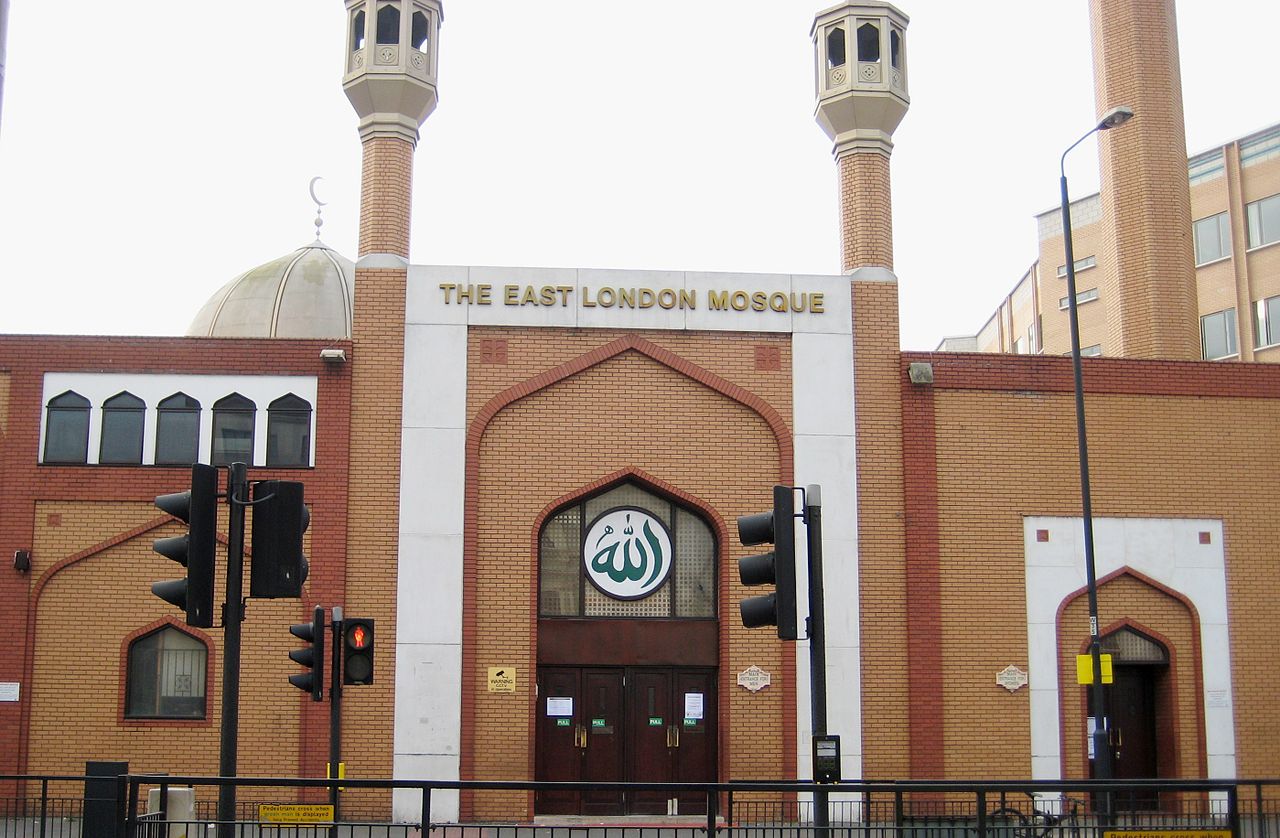
British Asians have had substantial impact on cultural life, business, science, sport and politics in the UK. They have introduced and popularised cuisines, festivals, music and film, and play active roles in civic institutions. Economically, community members are found across the full range of occupations from small entrepreneurs to professionals and public-sector employees. Religious practice is diverse, including Islam, Hinduism, Sikhism, Christianity, Buddhism and non-religious identities.
Distinctions and contemporary issues
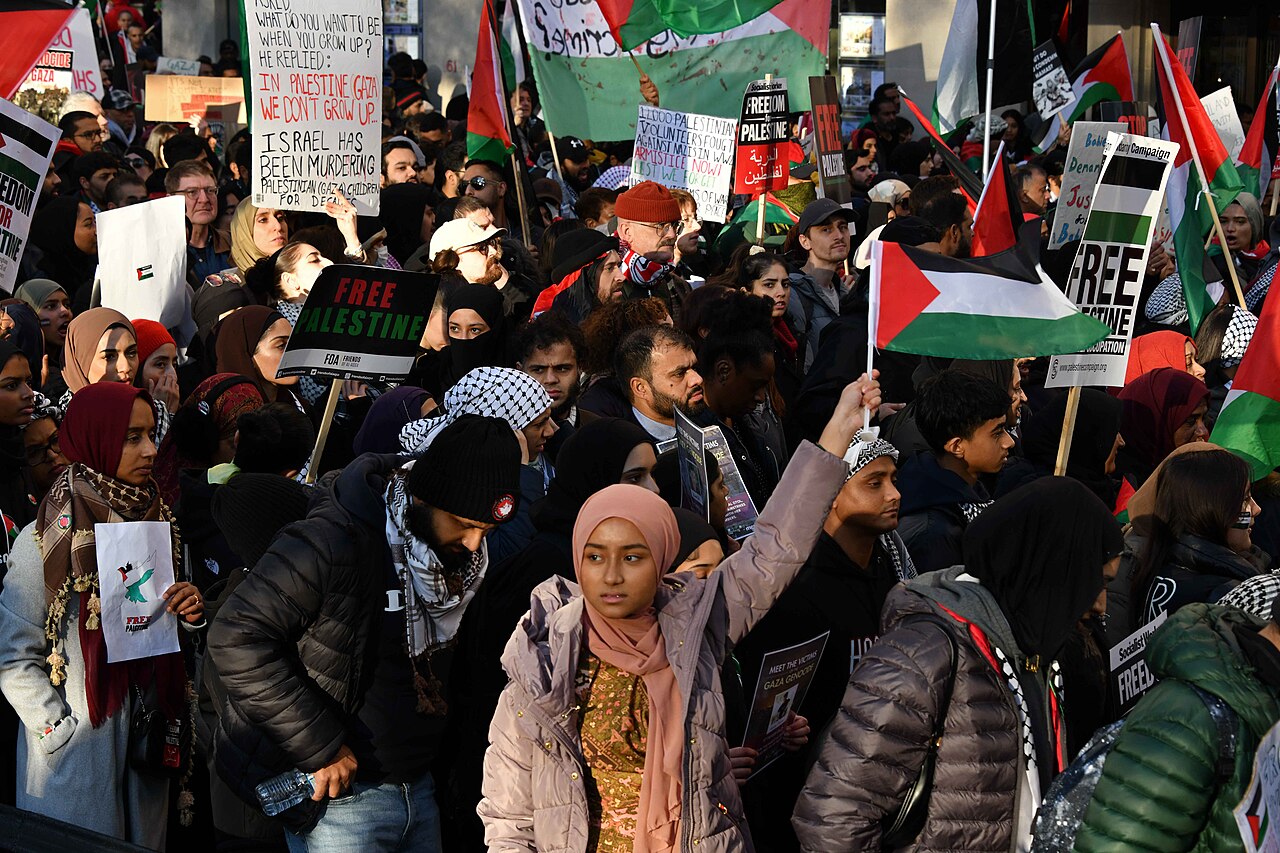
The label "British Asian" is a useful umbrella but can obscure important differences in language, migration history, socio-economic status and regional identity. Public statistics and discussion often separate subgroups (for example, distinguishing British Chinese from South Asian groups) to highlight varied outcomes in health, education and employment. Ongoing debates concern representation, integration, discrimination, and how younger generations balance multiple identities. For further general context about Asian regions, see Asia and detailed community pages such as those focused on British Chinese and South Asian links.
Related articles
Author
AlegsaOnline.com British Asian: communities, history, and influence in the United Kingdom Leandro Alegsa
URL: https://en.alegsaonline.com/art/14246