
British Chinese
People in the United Kingdom with Chinese ancestry, their history, demographics, culture, and social issues, including distinctions such as British-born Chinese (BBCs).
Overview
British Chinese (also called Chinese British or Chinese Britons) refers to people living in the United Kingdom who trace their heritage to Chinese communities. The group includes recent migrants and multi‑generation families, and is sometimes described as "British-born Chinese" (often abbreviated informally as BBCs). According to the 2001 census, there were 247,403 people identifying as British Chinese, making up about 0.5% of the national population at that time; subsequent censuses and estimates show growth and greater geographic dispersion.
Image gallery
10 Images


Origins and historical development
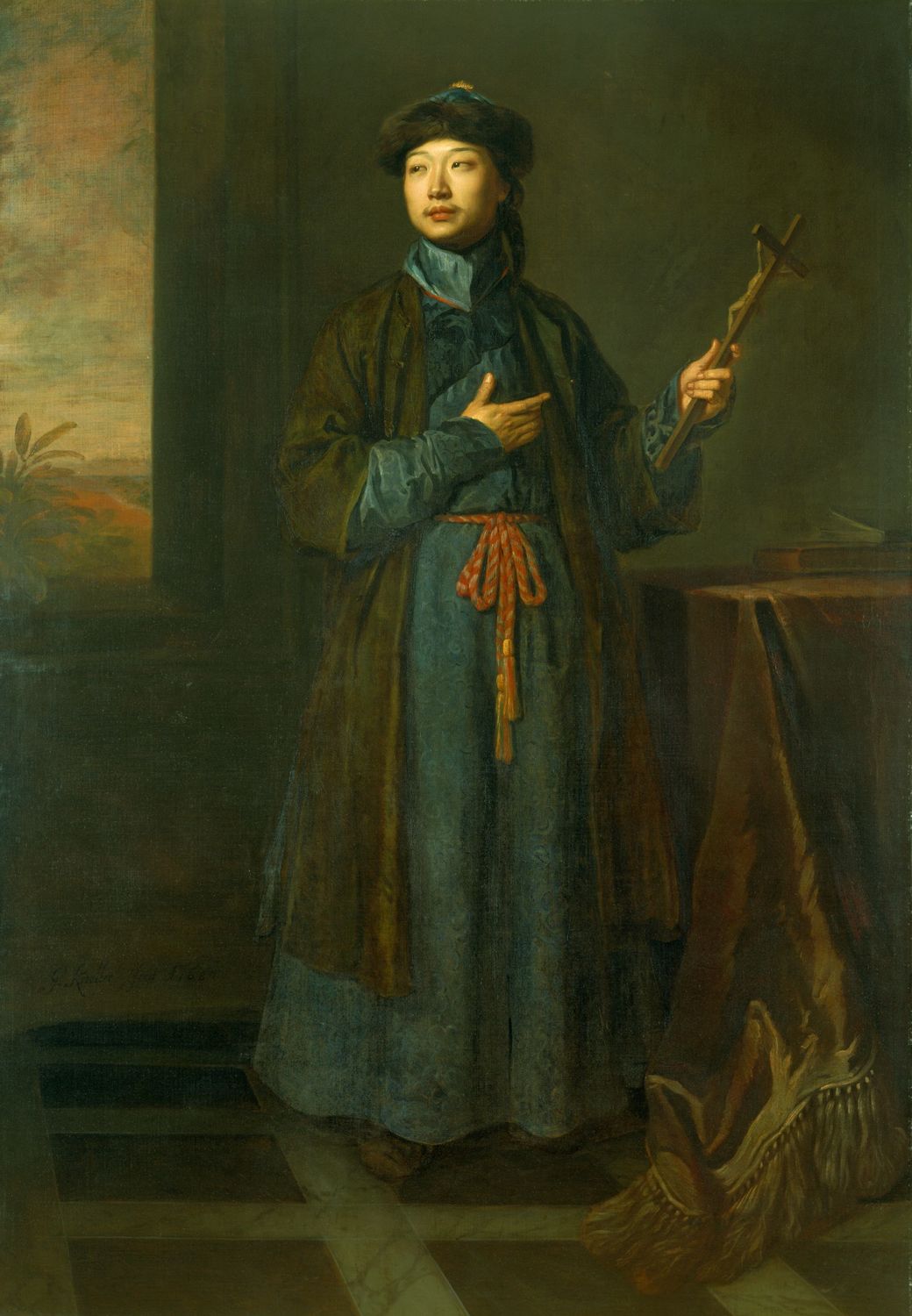
Migration from the Chinese-speaking world to Britain has occurred in several waves. Early arrivals in the 19th and early 20th centuries included sailors, students and workers who settled in port cities. Mid‑20th century migration increased with students and professionals from Hong Kong, mainland China and Taiwan. The lead up to the 1997 transfer of Hong Kong heightened migration, and more recent decades have seen arrivals from a broader range of places in Asia and Africa with Chinese communities. These diverse origins have produced varied migration experiences and identities within the British Chinese population.
Demographics and settlement
British Chinese people are concentrated in urban areas, with notable communities in London, Manchester, Birmingham, Liverpool, Glasgow and other cities. Many live in and around neighbourhoods historically known as Chinatowns or in suburban enclaves. Languages spoken include Cantonese, Mandarin and various regional Chinese dialects alongside English. While small in proportion nationally, the community is culturally visible through restaurants, shops and festivals.
Culture, economy and education
British Chinese cultural life blends Chinese traditions with British influences. Celebrations such as Chinese New Year are widely observed and attract public attention. Economically, British Chinese individuals participate across sectors: from small and medium enterprises (notably hospitality and retail) to professional, academic and technical occupations. Educational attainment among British Chinese students is generally high, a trend often highlighted in public discussion.
Issues, representation and identity
British Chinese communities face a range of social issues including experiences of racism, stereotyping and under‑representation in politics and media. Public debate sometimes invokes the "model minority" stereotype, which can obscure diverse needs and inequalities within the group. A number of community organisations, civic groups and advocacy bodies work to improve visibility, provide services and address discrimination.
Notable distinctions
- "British Chinese" is broad and includes people born in the UK and those who migrated from Hong Kong, mainland China, Taiwan or Southeast Asia.
- "British‑born Chinese" is commonly used to describe UK‑born members of the community; the abbreviation "BBC" may cause confusion with other well‑known acronyms.
- Demographic data come from national surveys and censuses; numbers and distributions change over time as migration and birth patterns evolve.
For further demographic details and historical sources, consult census material and specialised studies that document the changing size and composition of British Chinese communities. The interplay of heritage, language and local context continues to shape how British Chinese identities are lived and represented in the UK.
Chinese ancestry is one thread among many that contributes to the cultural and social fabric of modern Britain.
Tags
Related articles
Author
AlegsaOnline.com British Chinese Leandro Alegsa
URL: https://en.alegsaonline.com/art/14251
Sources
- statistics.gov.uk : National Statistics Online - Ethnicity