
Marine mammal
Marine mammals are air-breathing mammals that depend on the sea for feeding, reproduction or habitat; they include cetaceans, pinnipeds, sirenians, sea otters and polar bears and face conservation threats.
Overview
Marine mammals are a diverse group of warm-blooded, air-breathing mammals that rely on the ocean and connected coastal ecosystems for most of their life functions. They range from wholly aquatic species that never leave the water to semiaquatic animals that divide time between sea and shore. Common examples include seals, whales, manatees, sea otters and polar bears.
Image gallery
10 Images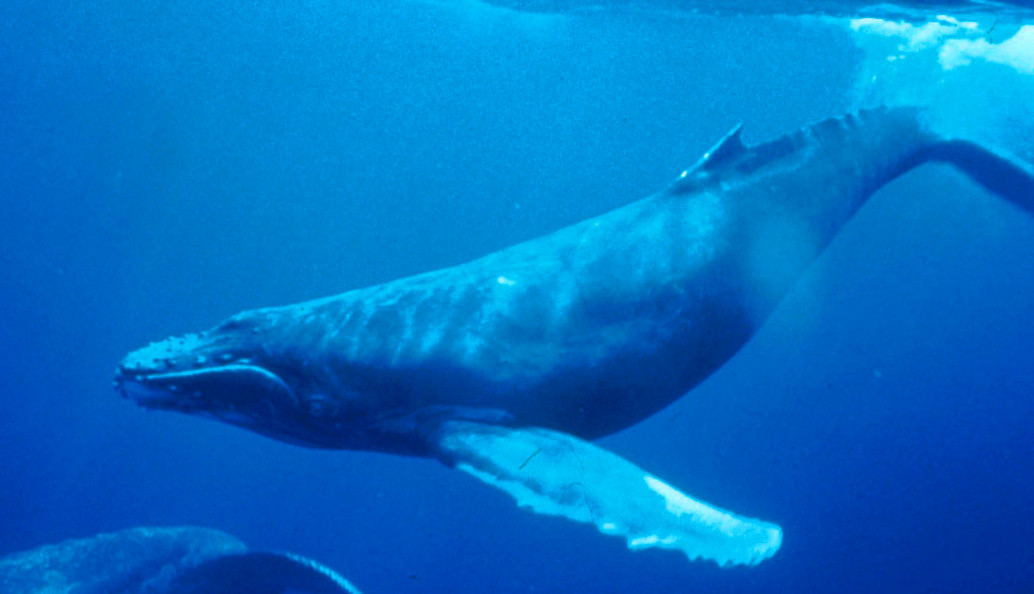




Major groups and characteristics
- Cetaceans (whales, dolphins): fully aquatic, many use echolocation and show complex social behavior.
- Pinnipeds (seals, sea lions, walruses): semiaquatic, they forage in water but haul out on land or ice for resting and breeding.
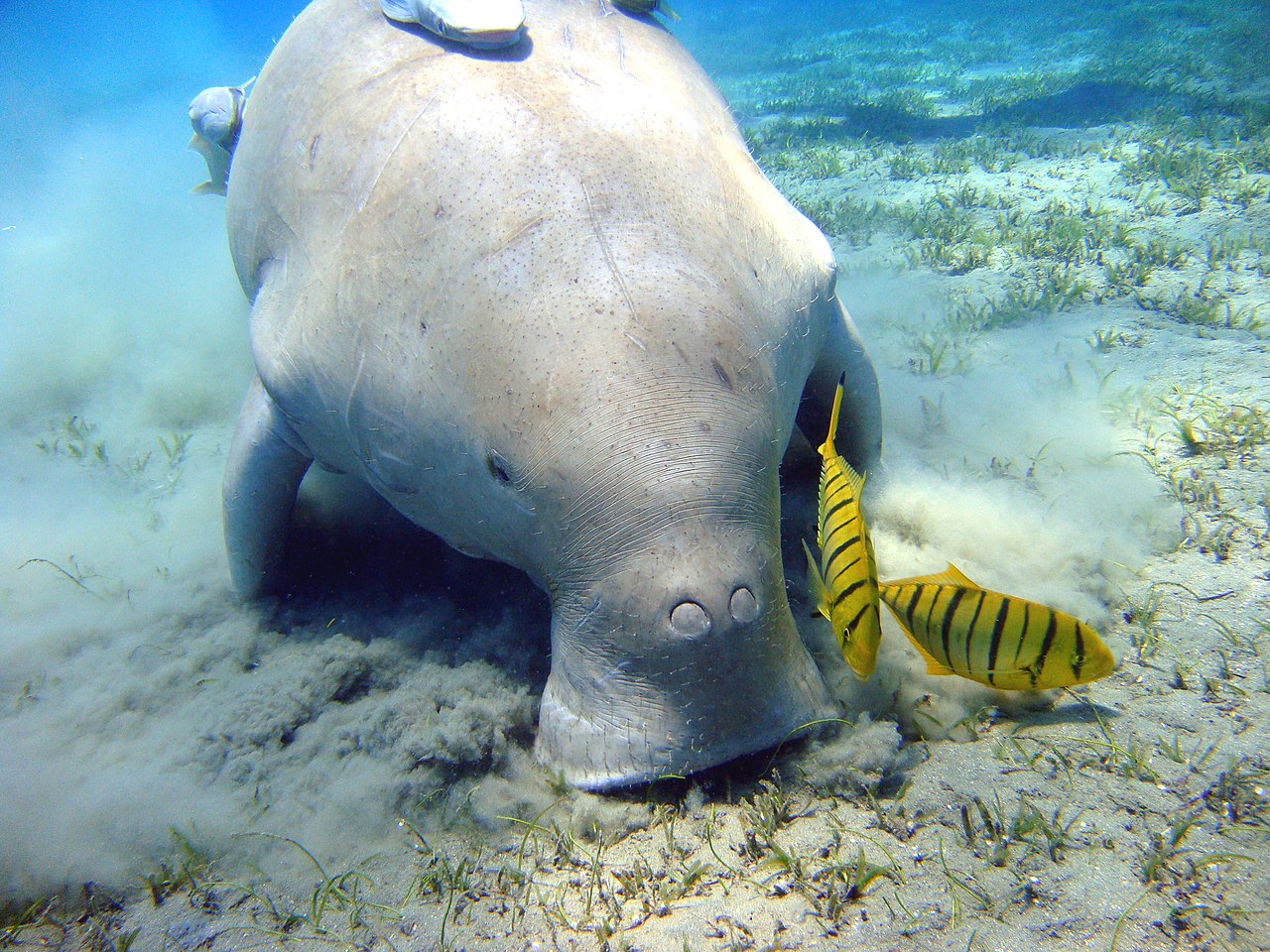
- Sirenians (manatees and dugongs): slow-moving herbivores of shallow waters.
- Mustelids and ursids adapted to marine life (sea otters, polar bears): terrestrial ancestry but strong marine dependence.
Adaptations
Marine mammals share several adaptations to aquatic life: insulating blubber or dense fur, limbs modified into flippers, and respiratory and circulatory changes that support long or deep dives. Many species give live birth, nurse young with milk and return to the surface to breathe. Toothed whales use echolocation for hunting, while baleen whales filter-feed on small organisms.
Evolution and origins
Different marine mammal lineages returned to the sea independently from terrestrial ancestors. Cetaceans evolved from artiodactyl-like mammals, while sirenians are more closely related to elephants. Pinnipeds and other groups show convergent adaptations to aquatic environments, illustrating multiple evolutionary paths to life in marine habitats.
Ecology, human connections and reproduction
Marine mammals play key ecological roles as predators, prey and ecosystem engineers, and they have cultural, economic and scientific importance. Many species have specific breeding behaviors and migrations; for example, some pinniped species must come ashore to mate and raise pups, a behavior linked to survival and reproduction.
Threats and conservation
Threats include habitat loss, pollution, entanglement in fishing gear, ship strikes, noise disturbance and climate change. Conservation actions range from protected areas and fisheries management to rescue, rehabilitation and international agreements. Public awareness and scientific research remain important for long-term recovery and coexistence with these marine-dependent mammals. For further reading see resources on marine biology and conservation: general overview, marine ecosystems, and species pages for seals, whales, manatees, sea otters, polar bears, and habitat guidance on water use and land access.
Author
AlegsaOnline.com Marine mammal Leandro Alegsa
URL: https://en.alegsaonline.com/art/142212