
British cuisine: traditions, regional dishes and modern evolution
An overview of British cuisine: its characteristics, history, regional variations, common dishes and contemporary developments, from hearty roasts to multicultural influences.
Overview
British cuisine refers to the foods and drinks traditionally eaten across the United Kingdom. It covers a wide range of ingredients and preparations that reflect the islands' climate, agriculture and social history. Staples include bread, potatoes, dairy, meat and root vegetables, while public houses, family meals and seasonal celebrations shape how dishes are consumed.
Image gallery
9 Images


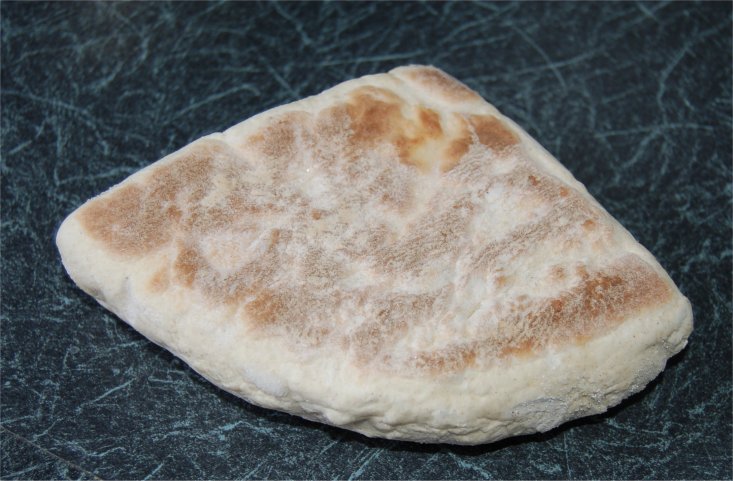

Characteristics and common elements
Traditionally, British food emphasizes simple, robust flavors and filling dishes meant to sustain through work and colder weather. Preserving techniques such as salting, pickling and smoking were important historically. Meals often foreground roasted or stewed meats, pies and puddings (in the British sense of both savory and sweet). Tea has a central cultural role as a beverage and social ritual.
History and development
The cuisine evolved over centuries through a succession of influences. Anglo-Saxon and medieval cooking established early uses of grains, vegetables and salted fish. Later, Norman and continental contacts introduced new techniques and ingredients. The expansion of trade and the British Empire brought spices, sugar and tea. Industrialization and urbanization changed eating patterns, while wartime rationing in the 20th century shaped tastes and led to renewed interest in seasonal, locally produced food afterwards.
Regional varieties and distinctions
Within the UK there are marked regional differences. Scotland, Wales, Northern Ireland and the counties of England each preserve distinctive dishes and ingredients. Examples include the Scottish use of oats and smoked fish, Welsh lamb and laver (seaweed) preparations, Northern Irish breakfasts and Ulster specialties, and various English regional pies and seafood dishes. Class and urban-rural divisions historically influenced what people ate; today many regional foods are celebrated as part of local identity.
Typical dishes and meal patterns
A number of dishes are widely associated with Britain. The iconic fish and chips emerged in the 19th century and became a national favorite. Other familiar items are the Sunday roast with roast meat and Yorkshire pudding, meat pies, sausage rolls, and breakfasts featuring eggs, bacon and beans. Desserts and 'puddings' range from steamed suet puddings to fruit crumbles. Pubs and cafés are important venues for everyday eating, while afternoon tea and the Sunday meal remain notable social traditions.
Modern revival and contemporary cuisine
Since the late 20th century, British food has undergone substantial reinvention. A revival of regional and artisanal producers, the rise of gastropubs and chefs emphasizing seasonal, high-quality ingredients have reshaped perceptions. Immigration and globalization have also brought a wealth of international flavors into mainstream British dining, creating diverse urban food scenes alongside preservation of traditional fare.
Related articles
Author
AlegsaOnline.com British cuisine: traditions, regional dishes and modern evolution Leandro Alegsa
URL: https://en.alegsaonline.com/art/14258