
Brillat-Savarin — French triple‑cream cheese
Brillat‑Savarin is a rich, soft, white‑rinded French triple‑cream cow’s milk cheese created in the 1930s, known for its velvety texture, mild tang, and customary pairings with Champagne and pale ales.
Overview
Brillat‑Savarin is a soft, white‑rinded French cheese made from cow’s milk and enriched with cream to produce a very high fat content in dry matter (about 75%, roughly 40% overall). It belongs to the family of "triple‑cream" cheeses: bloomy rind varieties that are exceptionally rich, buttery and spreadable. The cheese bears the name of the 18th‑century gourmand and author Jean Anthelme Brillat‑Savarin (biography) and was developed in the early 20th century by cheese‑maker Henri Androuët (Androuët).
Image gallery
2 Images
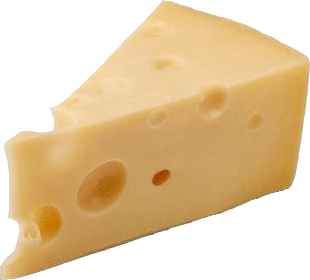
Characteristics and forms
Characteristic features include a soft, edible white rind produced by Penicillium species, a creamy pale interior, and a short maturation that emphasizes fat and moisture. Typical wheels measure about 12–13 cm across and about 4 cm thick and are aged for roughly one to two weeks to reach a plush, spoonable consistency. A fresh, non‑affiné version is also sold; this form resembles a very rich cream cheese in texture and flavor (fresh form).
Production and region
Brillat‑Savarin is produced year‑round in regions of France, most often associated with Normandy (Normandy) where cow’s‑milk cheeses and cream have long culinary importance. The triple‑cream character arises from adding extra cream to the milk before coagulation, which increases fat content and yields the characteristic silkiness and mouth‑coating richness.
History and naming
The cheese in its modern form was introduced in the 1930s by Henri Androuët, who named it in honor of Brillat‑Savarin, the famed French epicure whose writings celebrate taste and gastronomy. The name signals both a culinary pedigree and an expectation of indulgence: Brillat‑Savarin is designed to be a luxurious table cheese rather than one for long ageing.
Flavor, texture and aging
On the palate Brillat‑Savarin is lactic and creamy with a gentle tang and a delicate mushroom‑like note from its bloomy rind. When young it is firmer and more sliceable; as it ripens it becomes extremely soft and almost runny beneath the rind. Some producers make an extra‑affiné or longer‑aged version — for example the Pierre Robert label made by Rouzaire — in which additional maturation concentrates proteins and salt and deepens earthy flavors while increasing creaminess.
Pairings and serving suggestions
Brillat‑Savarin’s richness calls for beverages and accompaniments that cut or complement fat: sparkling wines such as Champagne (Champagne) and light, effervescent beers (pale ales) cleanse the palate, while slightly sweet fruits (Medjool dates, pears, figs), honey, or a slice of crusty baguette highlight its creaminess. Heavily tannic red wines can clash with its mushroomy rind and accentuate tannins, so milder whites or sparkling wines are often preferred.
Variations and notable facts
- Triple‑cream classification: Brillat‑Savarin is one of several French triple‑cream offerings; the extra cream distinguishes it from traditional Brie and camembert varieties (cheese family).
- Non‑affiné form: A fresh, unstabilized variety resembles rich cream cheese and is served chilled or spread (fresh version).
- Commercial labels: Longer‑aged or regional versions such as Pierre Robert demonstrate how aging alters texture and salt concentration; these can be shorter in wheel height due to moisture loss yet paradoxically more luscious inside.
Why Brillat‑Savarin matters
Beyond its sensory appeal, Brillat‑Savarin exemplifies a modern French approach to cheese that emphasizes enhanced richness and immediate table presence rather than long maturation. It is frequently chosen for cheeseboards, desserts, and refined casual dining where its luxurious mouthfeel and approachable flavor profile make it a popular, recognizable representative of French triple‑cream cheesemaking (Normandy producers).
For more culinary context and availability, consult regional cheese guides and producers’ notes (producers, pairing guides).
Questions and answers
Q: What type of cheese is Brillat-Savarin?
A: Brillat-Savarin is a soft, white-crusted cow's milk cheese with at least 75% fat in dry matter (roughly 40% overall).
Q: Who created the cheese?
A: The cheese was created in the 1930s by cheese-maker Henri Androuët.
Q: How thick are wheels of Brillat-Savarin?
A: Wheels of Brillat-Savarin are 12–13 cm thick and approximately 4 cm thick.
Q: Is there a fresh version of this cheese available?
A: Yes, it is also available as a fresh cheese (non affine) that resembles rich cream cheese.
Q: What flavors does this cheese have?
A: It is creamy and faintly sour and has been described as "Dairylea for grownups" or "what Dairylea tastes like in heaven".
Q: What type of drinks pair well with Brillat Savarin?
A: It goes well with medjool dates and also champagne, Pale Ale, and Champagne. The carbonation wipes the fattiness from the palate and the malts enhance the creaminess of the cheese.
Q: Is there an older version of this cheese available?
A: Yes, French Cheese making company Rouzaire produces an older version called Pierre Robert which has deeper earthy flavours and more intense salty taste than regular aged Brillat Savarin.
Related articles
Author
AlegsaOnline.com Brillat-Savarin — French triple‑cream cheese Leandro Alegsa
URL: https://en.alegsaonline.com/art/14156
Sources
- fatchancemedia.com : Description and history of Brillat Savarin cheese