
Bubble tea (Boba): Origins, Varieties, and Global Popularity
Bubble tea, also called boba or pearl tea, is a Taiwanese tea-based drink featuring chewy tapioca pearls. This article covers its ingredients, varieties, history, preparation, and global spread.
Overview
Bubble tea, commonly known as boba or pearl tea, is a tea-based beverage that originated in Taichung, Taiwan. It typically combines a tea base with milk or non-dairy creamer, sweeteners, and one or more types of chewy or jelly-like add-ins. The drink is usually served cold and shaken to mix the ingredients and create a light foam, although warm versions exist.
Image gallery
7 Images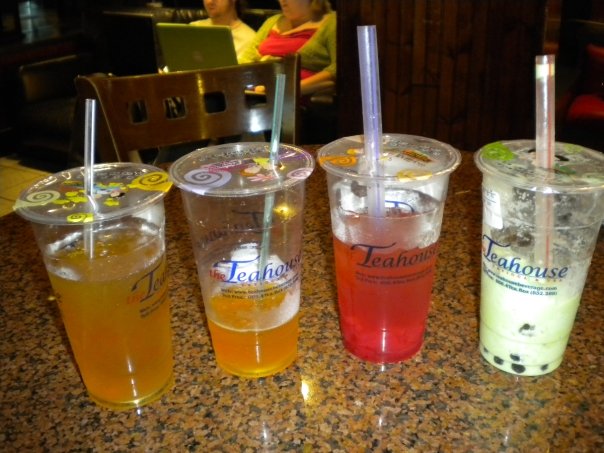


Ingredients and common varieties
The basic components include a brewed tea, a creamy element, a sweetener, and a textural component. Common choices are:
- Tea base: traditional versions use black tea or green tea, but many shops use oolong, jasmine, or fruit-infused teas.
- Cream or milk: dairy milk, condensed milk, or non-dairy creamers (often vegetable-based) produce the characteristic milky texture.
- Sweeteners and flavorings: sugar syrup, honey, fruit syrups, coffee or cocoa additions, and flavored powders.
- Textural toppings: the most iconic are tapioca pearls (chewy starch balls). Alternatives include pudding, coconut jelly, grass jelly, and popping fruit pearls.
Preparation and serving
Preparation usually involves brewing a strong tea concentrate, which is then mixed with milk or creamer and a sweetener. Tapioca pearls are prepared separately by simmering and sweetening them before being added to the drink. The assembled beverage is shaken or blended to combine flavors and then poured over ice when served cold. Bubble tea is commonly consumed with an extra-wide straw to accommodate the larger pearls and is available in many formats: classic milk tea, fruit tea, slushie, or layered tea and milk blends.
History and global spread
Bubble tea is generally traced to Taichung, Taiwan, where vendors experimented with adding different textures and flavors to tea in the late 20th century; local origin stories vary, but most point to the 1980s as an important decade in its development (Taichung, Taiwan). The beverage grew in popularity across East Asia and later internationally. Media exposure and diaspora communities helped introduce bubble tea to neighboring countries and beyond. It became established in South Korea (South Korea), Japan (Japan), Hong Kong (Hong Kong), mainland China (China), and throughout Southeast Asia (Southeast Asia). From there it spread to Australia (Australia), Canada (Canada), the United States (USA), the United Kingdom (England), and other European markets (Europe), where specialty cafés and international chains popularized the drink.
Notable distinctions and considerations
Bubble tea can vary widely in texture, sweetness, and caloric content. Key distinctions include the use of traditional tapioca pearls (made from cassava starch) versus "popping" fruit pearls (gelatin- or alginate-based spheres that burst in the mouth). Drinks labeled "milk tea" emphasize a tea-and-milk balance, while "fruit tea" variants rely on fresh fruit or syrups and are often dairy-free. Health considerations often focus on sugar levels and the caloric contribution of pearls; many shops now offer customization for sweetness, portion size, and dairy alternatives.
Why it matters
Bubble tea is a culinary example of how a simple combination of ingredients can evolve into a global food trend. Beyond taste, it demonstrates the role of regional innovation, immigrant communities, and modern café culture in spreading and adapting a product across diverse markets. For many consumers, bubble tea is both a daily treat and a social experience—one that continues to diversify in flavor, texture, and presentation.
Further reading and resources are available from regional histories and specialty beverage publications; for more specific local information, see pages linked to the regions above.
Questions and answers
Q: What is bubble tea?
A: Bubble tea, also called pearl tea or Boba, is a drink which comes from Taichung, Taiwan. It is made by mixing black tea with non-dairy creamer or milk and adding round "pearl" tapioca.
Q: Are there other flavors of bubble tea besides the original one?
A: Yes, there are many flavors other than the original one. Green tea can be used instead of black tea. Extra items such as honey, coffee or cocoa can be added. Pudding or coconut cubes can be used instead of pearl tapioca.
Q: How did bubble tea become popular?
A: When it was first invented, not many people were interested in it. But after a bubble tea maker was interviewed on a Japanese TV program, it became popular among people of all ages.
Q: Where has the popularity of bubble tea spread to?
A: The popularity of bubble tea can be seen not only in Taiwan but also in other countries such as South Korea, Japan, Hong Kong, China, Southeast Asia, Australia, Canada and the USA. Bubble tea has now arrived in England and the rest of Europe.
Q: Is bubble tea dairy-free?
A: Yes - it is made with non-dairy creamer or milk instead of dairy products like cow's milk or creamers containing dairy ingredients.
Q: Can you add extra items to your bubble teas?
A: Yes - extra items such as honey, coffee or cocoa can be added for additional flavor and texture to your drink.
Q: What type of tapioca do you use for making bubble teas?
A: Pearl tapioca is typically used for making traditional bubble teas but pudding or coconut cubes can also be used instead if desired.
Related articles
Author
AlegsaOnline.com Bubble tea (Boba): Origins, Varieties, and Global Popularity Leandro Alegsa
URL: https://en.alegsaonline.com/art/14977
Sources
- bbc.co.uk : bbc.co.uk/news/magazine-28640188
- organicfacts.net : "Health Benefits of Tapioca"