
Brewery: facility, process, history and cultural role of beer production
A brewery is a facility or company where beer is produced. This article covers its layout, main processes, historical origins, scales of operation, and cultural and economic importance.
Overview
A brewery is a place where beer is produced commercially or as an organized craft activity. The term can mean the physical building, the collection of equipment inside it, or the business that carries out brewing and sells the finished product. Breweries range from large industrial complexes that supply national and international markets to small craft breweries, microbreweries, brewpubs, and even homebrew setups in a kitchen. The final product — beer — and the scale of output vary widely, but the essential purpose remains the controlled conversion of cereal starches into alcohol and flavor.
Image gallery
10 Images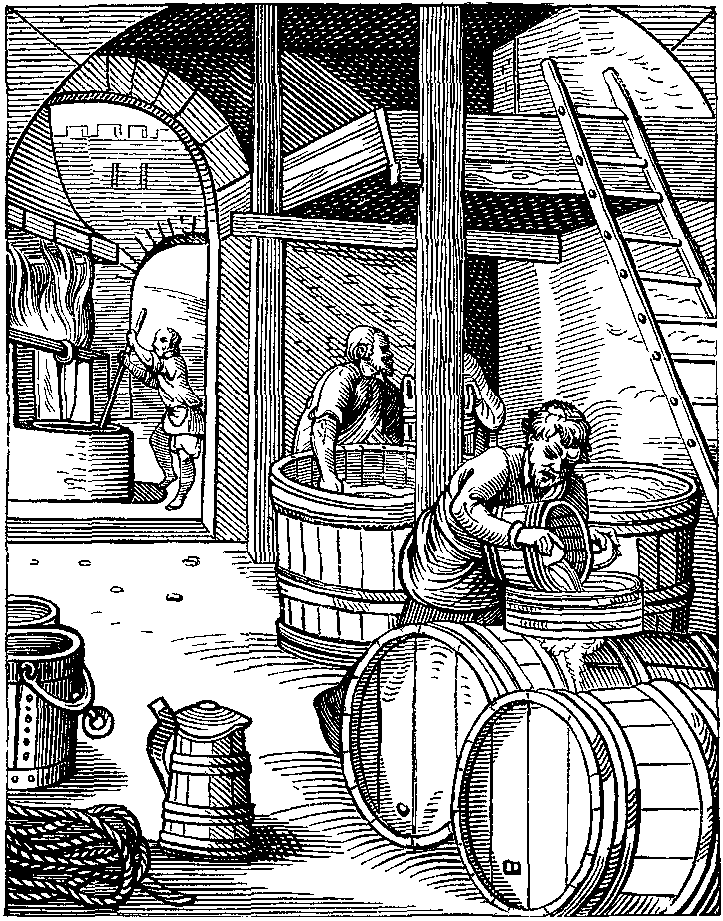




Typical sections and process
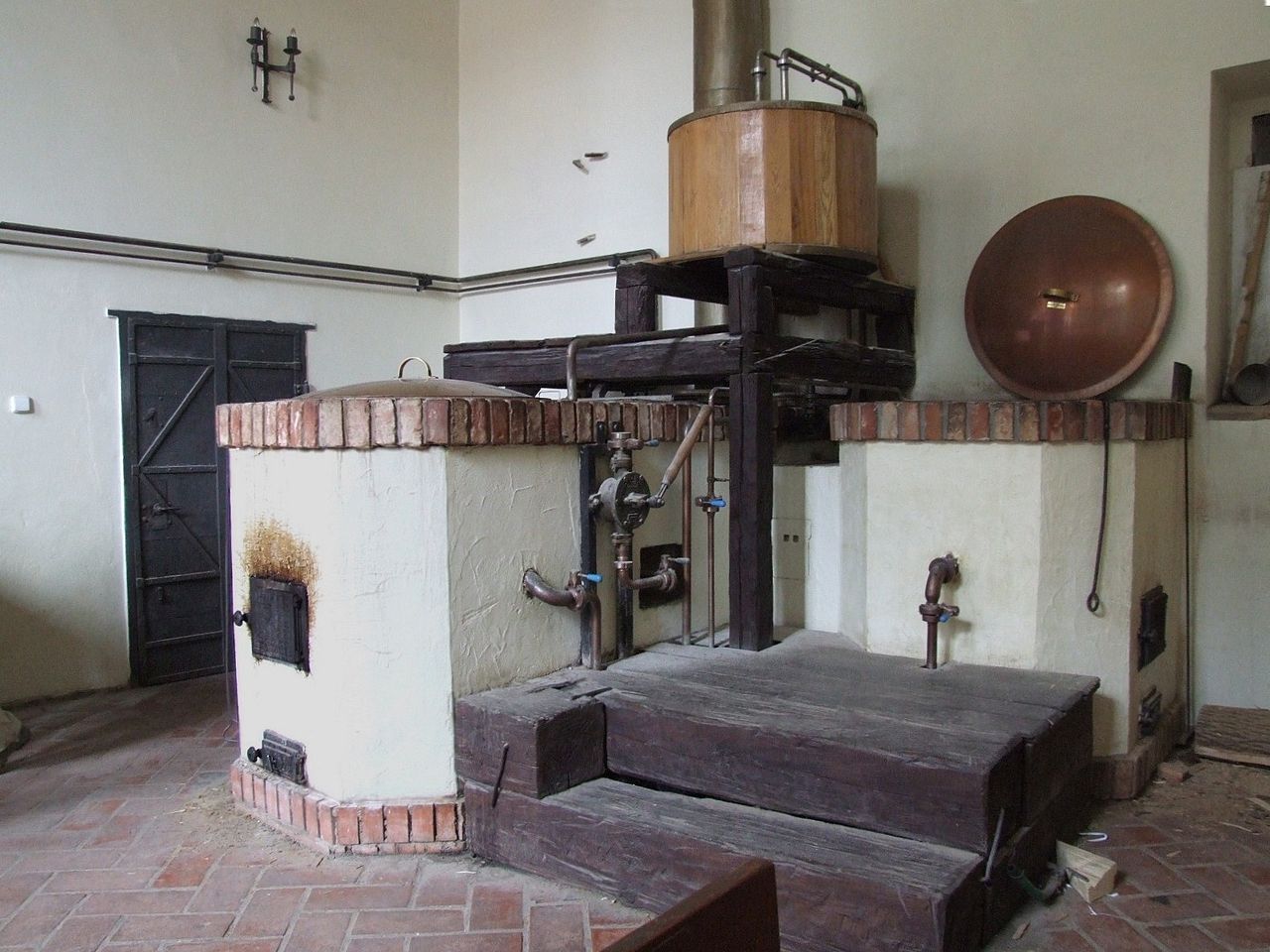
Most breweries are organized into distinct areas that reflect the major stages of beer production. These areas help maintain cleanliness, efficiency, and quality control by separating tasks such as grain handling and fermentation. The basic brewing stages, represented in many facilities, include:
- Milling and mashing: preparing and mixing milled malted grain with hot water to convert starches to sugars.
- Wort separation and boiling: removing spent grain and boiling the sweet liquid (wort) with hops for bitterness, aroma, and sterilization.
- Cooling and fermentation: cooling wort and adding yeast in tanks where sugars become alcohol and carbon dioxide.
- Conditioning and maturation: clarifying, aging, and carbonating beer before packaging.
- Packaging: filling kegs, bottles, cans, or casks for distribution.
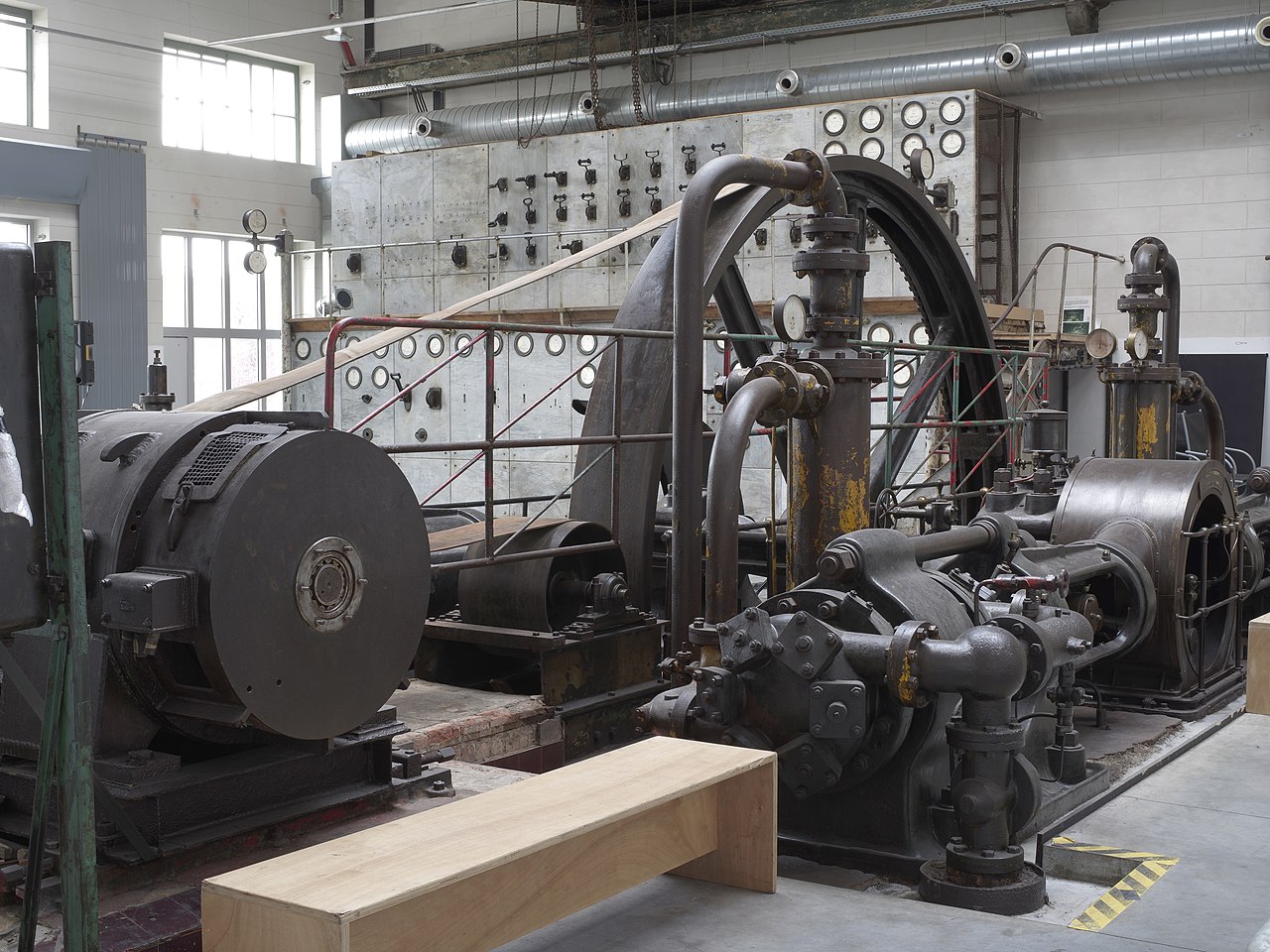
Beyond these stages, modern breweries include utility systems for water treatment, refrigeration, waste handling, and sanitation. Levels of automation differ: craft breweries often retain manual control over many steps, while large breweries rely on automated control systems and continuous production lines.
Equipment, scale and varieties
Equipment ranges from simple kettles and fermenters to large stainless-steel tanks, heat exchangers, centrifuges, and bottling lines. Size classes commonly discussed in the industry include nanobreweries, microbreweries, regional craft operations and macrobreweries. Each class emphasizes different priorities: experimentation and local presence for small breweries, cost efficiency and consistent high-volume production for large ones. Brewpubs combine on-site brewing with restaurant service, creating a close link between production and consumer tasting.
History and notable origins
Brewing is an ancient practice with roots predating recorded history, evolving independently in many cultures as a way to preserve grains and produce a potable, calorie-containing beverage. In the modern European tradition, some institutions claim exceptionally long histories: for example, the Bavarian state brewery often cited as Weihenstephan is commonly described as one of the oldest continuously operating breweries, tracing a documented lineage to the early second millennium. Claims of earlier organized brewing and tax records also appear in other historic brewing towns.
Economic, cultural and environmental importance
Breweries contribute to local and national economies through job creation, tourism, and supply chains that include agriculture, packaging, and logistics. Craft brewing movements have revitalized many local food scenes and promoted beer as a subject of culinary interest. At the same time, breweries face environmental challenges: water and energy use, wastewater treatment, and sourcing of raw materials are key sustainability concerns that many modern operations address through efficiency measures and circular practices.
Distinctions and notable facts
Different breweries specialize in particular styles, fermentation methods, or traditions — for example ales (top-fermented) versus lagers (bottom-fermented), spontaneous-fermentation styles, or barrel-aging techniques. Homebrewing communities and small-scale experimental facilities play a crucial role in innovation; amateur brewers often begin learning at home before founding commercial operations, and resources about homebrewing and the broader brewing craft are widely available. Historical and regional breweries such as Weihenstephan and towns known for brewing heritage like Freising exemplify the deep connections between brewing, local identity, and long-standing culinary traditions.
Related articles
Author
AlegsaOnline.com Brewery: facility, process, history and cultural role of beer production Leandro Alegsa
URL: https://en.alegsaonline.com/art/13995
Sources
- zateckypivovar.cz : "Žatecký pivovar"
- commons.wikimedia.org : Breweries
- vlb-berlin.org : their website
- beertown.org : beertown.org