
Breastfeeding: physiology, benefits, challenges and public health importance
Breastfeeding is feeding an infant with milk from the mother's breasts. This article explains how breastfeeding works, milk composition, benefits, common difficulties, contraindications and public health aspects.
Breastfeeding is the practice of feeding an infant human milk directly from the lactating parent’s breast or with expressed breast milk. It begins with the infant latching onto the nipple and areola, drawing milk produced by mammary glands. Milk production is driven by hormonal changes after childbirth and by the supply-and-demand action of nursing: removal of milk signals the breast to produce more. Many cultures and health authorities recommend exclusive breastfeeding for the first months of life because it supplies complete nutrition and immune support.
Image gallery
10 Images



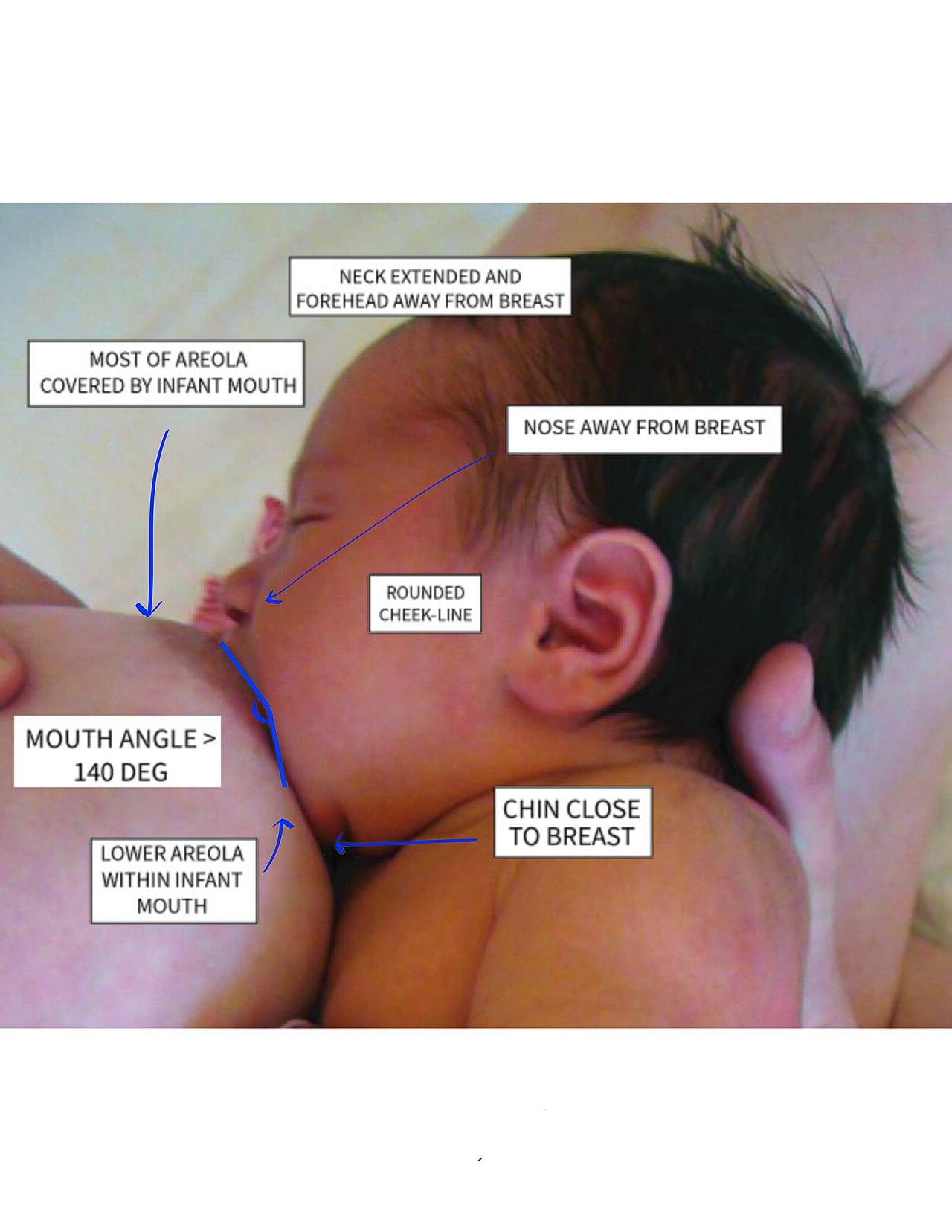
How breastfeeding works and milk composition
The breast contains lobes of mammary tissue that produce milk. Early milk, called colostrum, is thick and rich in antibodies and proteins that help protect newborns. Over days the milk transitions to mature breast milk, a dynamic fluid containing water, lactose, fats, proteins, vitamins and minerals. Unique to human milk are living components such as immune cells, antibodies, enzymes, and beneficial bacteria that support gut and immune development. Hormones such as prolactin and oxytocin regulate milk synthesis and the reflex that releases milk during feeding.
Benefits for infants and mothers
- Infant health: Breastfeeding reduces the risk of many infections (respiratory, gastrointestinal), and supports development of the gut lining and immune system. Exclusive breastfeeding for the first months is associated with lower infant mortality from diarrheal disease in settings with limited sanitation.
- Developmental and nutritional advantages: Breast milk adapts over time to an infant’s needs and contains factors that support brain and organ maturation.
- Maternal benefits: Nursing assists uterine contraction after birth, supports bonding, and long-term associations have been observed with reduced risk of certain cancers and metabolic conditions in some studies.
Practical considerations, challenges and alternatives
Most people can breastfeed, but some encounter difficulties such as poor latch, nipple pain, low milk supply, or mastitis. Management includes skilled lactation support, positioning techniques, and sometimes temporary expressed milk or supplementation while establishing feeding. Expressing milk by hand or pump allows feeding when direct breastfeeding is not possible and supports return to work or shared caregiving.
Certain situations require careful medical advice. For example, when a parent has untreated active tuberculosis, uses specific medications, or has an infectious condition such as untreated HIV, clinicians weigh benefits and risks and may recommend alternatives or precautions. Healthcare teams and public health agencies provide protocols and counselling to help families decide. For further guidance see clinical guidance and resources from national and international bodies like maternal-child health services or global health organizations.
Public health, history and social context
Historically, breastfeeding was the near-universal method of infant feeding before the development and marketing of commercial milk substitutes. Over the 20th century, use of bottled formula rose in many places, followed by renewed promotion of breastfeeding by health authorities as evidence of health benefits grew. Today, public health initiatives encourage policies such as workplace accommodations, paid parental leave, skin-to-skin contact after birth, and Baby-Friendly hospital practices to support breastfeeding. Access to lactation consultants, community support groups, and reliable information are important determinants of success.
When breastfeeding is not possible
When breastfeeding cannot or is not chosen, nutritionally appropriate alternatives such as commercially prepared infant formula are used. Safe preparation, adequate sanitation and appropriate follow-up care are essential when substitutes are fed. Families make feeding decisions based on medical, social, and personal factors; health professionals aim to provide balanced information and nonjudgmental support. For practical support and education see local services, community programmes and trusted clinical advice at primary care or hospital maternity services.
Reliable information and supportive environments increase the likelihood that parents meet their feeding goals. For policy and research updates, consult resources on breastfeeding promotion, safety and child health found via specialist centres, public health departments, and international recommendations such as those issued by global health authorities. Additional practical guidance and advocacy materials are available from organizations and peer groups; see also parenting networks for shared experiences and local assistance.
Related articles
Author
AlegsaOnline.com Breastfeeding: physiology, benefits, challenges and public health importance Leandro Alegsa
URL: https://en.alegsaonline.com/art/13852
Sources
- womenshealth.gov : "Why breastfeeding is important"
- bmcpublichealth.biomedcentral.com : "Breastfeeding and the risk for diarrhea morbidity and mortality"