
Brood parasitism
Brood parasitism is a reproductive strategy in which one species tricks another into incubating and raising its young. Found in birds, fish and insects, it drives mimicry, coevolution and host defenses.
Overview
Brood parasitism is a reproductive tactic in which an animal—most famously certain birds—lays its eggs in the nest of another individual or species, relying on that host to incubate and rear the parasite's offspring. The strategy reduces or eliminates parental investment by the parasite in nest building, incubation and chick rearing. It occurs in different forms and at different taxonomic levels: between different species (interspecific), within the same species (intraspecific), and as either obligate behavior (the parasite never builds its own nest) or facultative behavior (parasitism is occasional).
Image gallery
10 Images



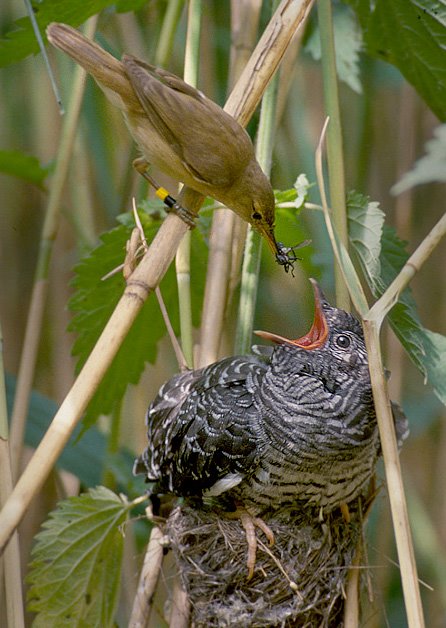
How brood parasitism works
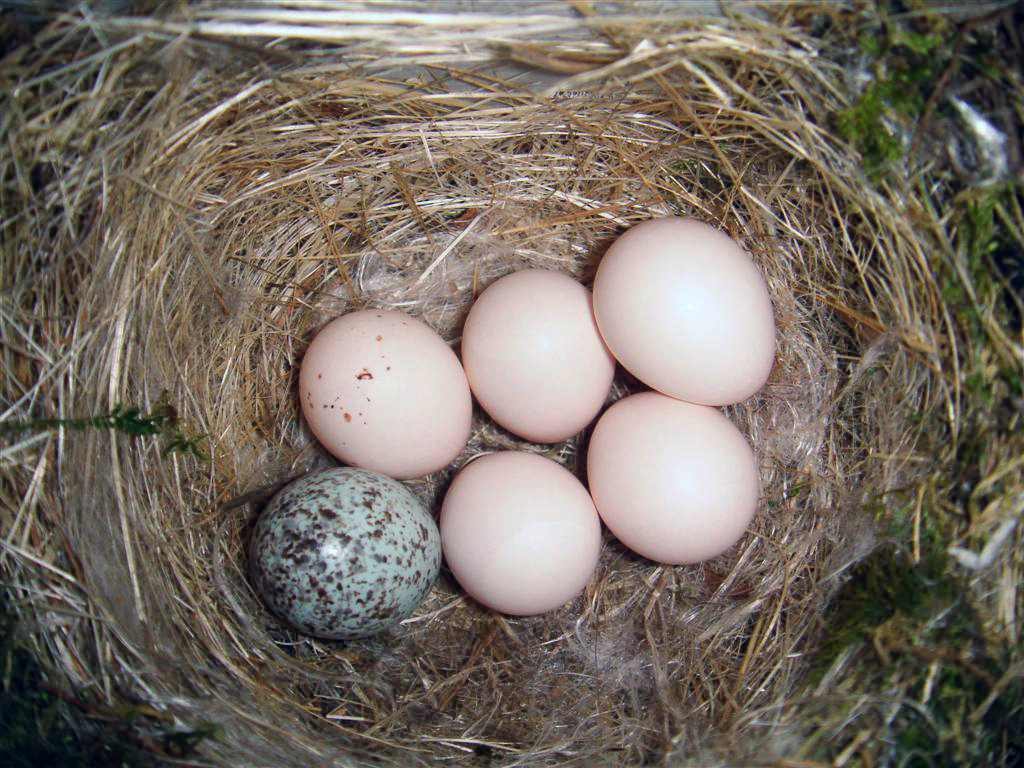
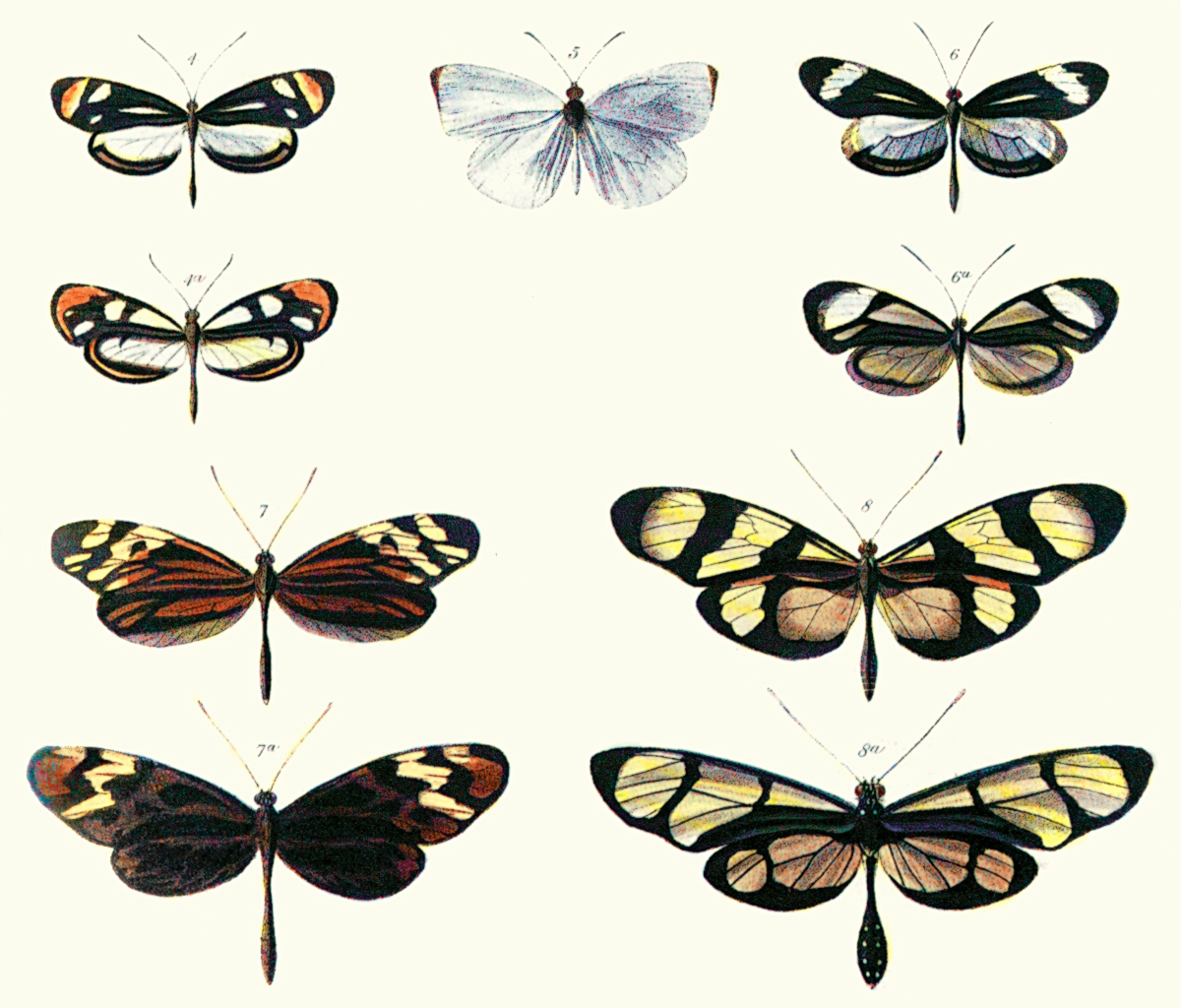
Parasitic parents typically place eggs in a host nest at a time and in a manner that increases the chance a host will accept and incubate the foreign egg. Mechanisms that improve success include timing that matches the host's laying period, removal or damage of one host egg to reduce suspicion, and laying eggs that mimic the host's egg colour, size and pattern. After hatching, a parasitic chick may compete aggressively for food, develop more rapidly, or physically evict host eggs or nestlings. In some systems, parasite nestlings produce begging calls or mouth markings that resemble those of the host's young, eliciting feeding from the foster parents.
Evolution and coevolution
Brood parasitism sets up an evolutionary arms race. Hosts face strong fitness costs when they raise unrelated young, and so natural selection can favour the evolution of defenses such as egg recognition and rejection, nest desertion, increased nest guarding or aggressive behaviour toward adult parasites. In turn, successful parasites evolve countermeasures—egg mimicry, stealthy laying behaviour, or timing that reduces detection. The dynamic of host defense and parasite counter-adaptation is a classic example of coevolution and may vary widely among species and populations (see coevolutionary studies).
Examples across taxa
Birds provide the most familiar examples: the common cuckoo is often cited because female cuckoos lay eggs in other species' nests and their chicks commonly displace host offspring; North American cowbirds lay eggs in many different passerine nests and are generalist parasites. But brood parasitism is not limited to birds. In freshwater systems, certain catfish species are known to exploit mouthbrooding cichlids by depositing eggs that are incubated and cared for by the cichlid. Among insects, some cuckoo bumblebees invade and take over the nests of other bumblebees, while certain butterfly larvae (for example, some Phengaris/Maculinea species) mimic ant larvae chemically and are adopted into ant colonies where they are fed and protected.
Host defenses and variation
Host responses are diverse. Common defenses include:
- Egg rejection or ejection from the nest;
- Nest abandonment when a foreign egg is detected;
- Improved nest concealment or aggressive defence of the nest site;
- Synchronizing breeding timing to reduce opportunities for parasitism.
Ecological and conservation significance
Brood parasitism influences population dynamics, community interactions and evolutionary trajectories. It can depress reproductive success of host populations, and where vulnerable or small host populations are affected, parasitism has been implicated in local declines. For this reason, management actions such as removal or control of abundant parasitic species have sometimes been used in conservation programs. Brood parasitism also offers a practical model for studying behavioural ecology, signaling, and coevolution because the costs and benefits to both parasite and host are relatively direct and measurable.
Notable facts and distinctions
Key distinctions include obligate versus facultative parasitism and interspecific versus intraspecific parasitism. Some parasitic species are specialists with finely tuned mimicry for one host species; others are generalists that exploit many different hosts. In a few systems, parasitic adults have been observed to destroy or harm host nests that reject their eggs, behaviour sometimes described as retaliatory or "mafia-like," though the occurrence and consequences of such behaviour vary by species and context. For further reading on classic examples, see material about the cuckoo (cuckoo) and related parasitic systems.
Related articles
Author
AlegsaOnline.com Brood parasitism Leandro Alegsa
URL: https://en.alegsaonline.com/art/14693