
Brassicaceae — the mustard and cabbage family
Brassicaceae (Cruciferae) is a widespread family of flowering plants including mustards, cabbages, radishes, wasabi and the model Arabidopsis; notable for cross-shaped flowers and glucosinolate chemistry.
Overview: The Brassicaceae are a cosmopolitan family of flowering plants often referred to as the mustard or cabbage family. Members range from wild herbs to major vegetables and oilseed crops. Familiar culinary and agricultural examples include mustard, crops grown for oilseed, pungent condiments such as wasabi and horseradish, and numerous garden vegetables. The family is also known by the older botanical name Cruciferae.
Image gallery
10 Images
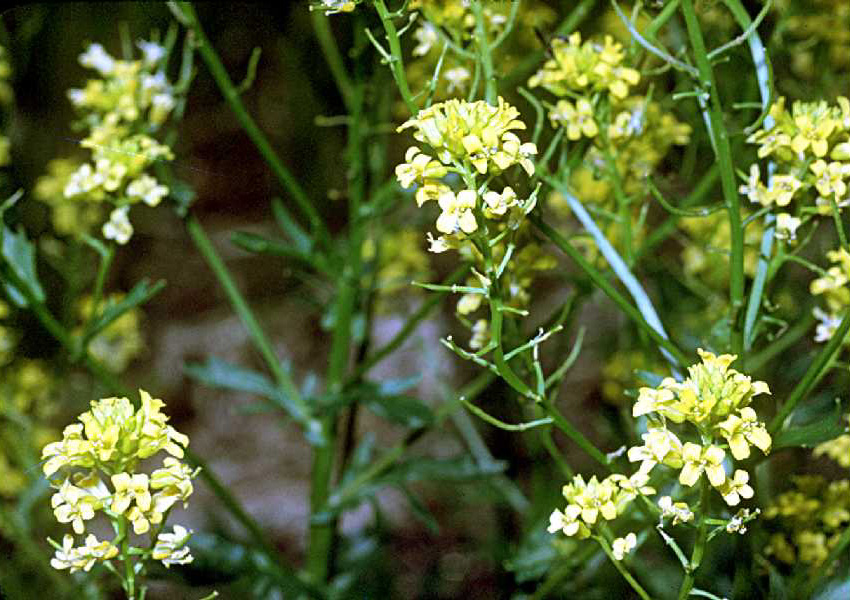
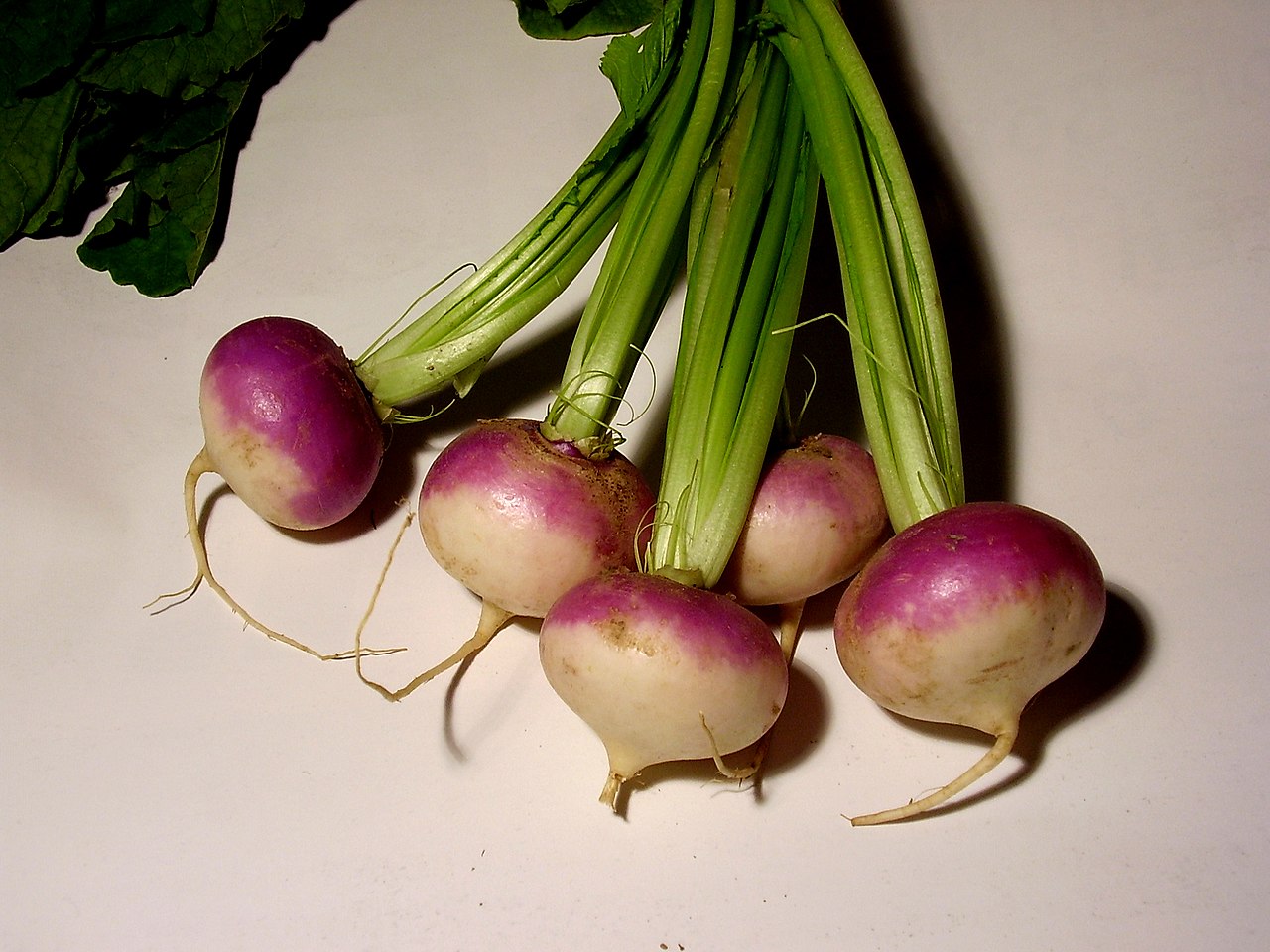


Distinctive characteristics
Species in this family are generally recognised by their flower structure and chemistry. Flowers are typically cruciform, with four petals arranged like a cross and usually six stamens in a 4+2 arrangement; see general descriptions of flowers and the arrangement of four petals. Fruits are commonly elongated siliques or shorter rounded silicles. Many members produce sulphur-containing glucosinolates that break down to pungent compounds when tissues are damaged; these chemicals give mustards and related plants their characteristic heat.
Major genera and cultivated plants
The family includes several genera of economic importance. The genus Brassica contains many cultivated vegetables and oilseeds, and closely related crops such as broccoli and cauliflower are derived from the same group of cultivars. Many radishes, turnips and various types of mustards are grown for food or used as spices. Model organisms such as Arabidopsis thaliana have made the family central to plant biology research.
Taxonomy, evolution and research
Brassicaceae taxonomy has been refined by molecular studies; some genera have been reclassified as relationships became clearer. Cultivated Brassica species show extensive hybridisation and polyploidy in their history, including well-known hybrid relationships sometimes summarised by the so-called "Triangle of U." These genetic features make the group important for studies of genome evolution, plant development and crop breeding.
Ecology, uses and management
Members of the family occur worldwide but are particularly common in temperate regions. They are important in agriculture as vegetables, condiments, forage and oilseed crops; rapeseed and related oil-producing varieties are globally significant. Glucosinolate chemistry contributes to natural pest deterrence and has led to agricultural practices such as cover cropping and soil biofumigation in some systems. Brassicaceae species can also host specialist insects and diseases, which are considerations in cultivation and breeding programmes.
Identification and further reading
Key field characters for identification include the cross-shaped four-petalled flowers, the presence of siliques or silicles, and mustard-like odors when tissues are crushed. For botanical keys, crop information and species descriptions consult floras, agricultural guides and specialized databases; many sources treat the botanical genus concepts and crop groups in depth. For accessible examples and culinary context see links on mustard, horseradish and wasabi as representative members of the family.
- Mustard — common condiment and wild species.
- Brassica — cabbages, kale and oilseeds.
- Broccoli
- Cauliflower
- Wasabi and horseradish — pungent condiments.
For practical cultivation advice, pest management and culinary uses consult regional agricultural extensions and horticultural handbooks linked in specialist databases and guides. Oilseed production, spices and vegetable breeding remain active areas of research and applied work within the Brassicaceae.
Tags
Related articles
Author
AlegsaOnline.com Brassicaceae — the mustard and cabbage family Leandro Alegsa
URL: https://en.alegsaonline.com/art/13758