
Broccoli: varieties, cultivation, uses and nutrition
Broccoli (Brassica oleracea) is a cruciferous vegetable with compact green flower heads and edible stalks. This article summarizes its appearance, history, varieties, cultivation, culinary uses, storage and nutrition.
Overview
Broccoli is a cruciferous plant commonly grown as a vegetable. Botanically it belongs to the species Brassica oleracea and is discussed in the context of broader plant classifications and vegetable crops such as a typical vegetable. The familiar form has dense clusters of immature flower buds (the edible heads) borne on a stout central stalk. Broccoli is cultivated worldwide and is valued for its flavor, versatility and nutrient content.
Image gallery
8 Images



Appearance and parts
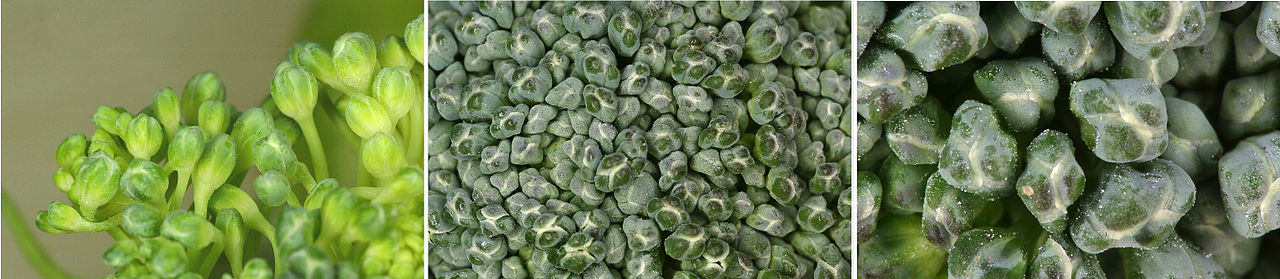
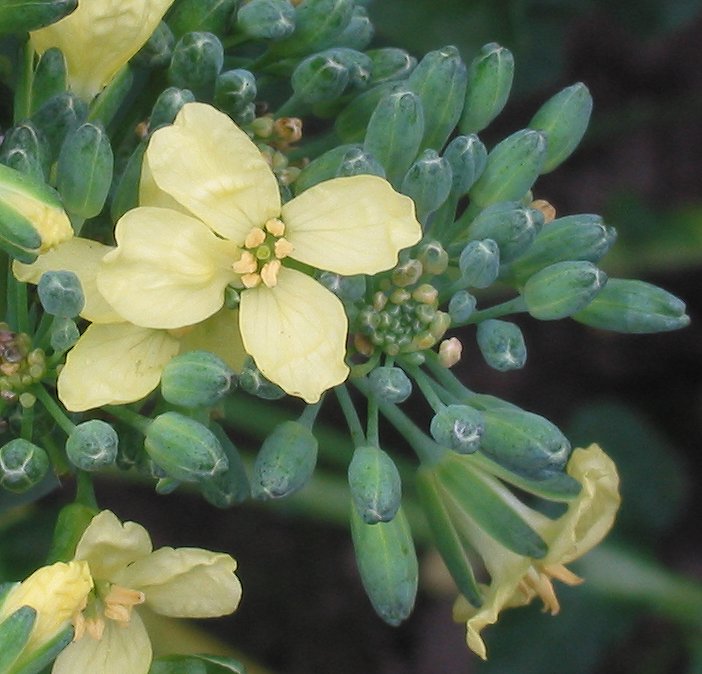
Typical broccoli presents a branching crown of tightly packed flower buds above a fibrous stalk and often with edible leaves. The heads are most often green (green), though some cultivars or related forms show purple or bluish hues; the flower structures themselves are immature inflorescences sometimes referred to as flower heads. Both florets and stems are eaten; stems can be peeled and cooked or thinly sliced for stir-fries, while leaves are used like other brassica greens.
Origin and history
Broccoli was selected from wild cabbage relatives in the Mediterranean region and developed further in Italy, where varieties prized for their compact heads were cultivated and improved over centuries. From there broccoli spread through Europe and later to the Americas and other regions. For historical and regional accounts see sources tied to Italy.
Major varieties
- Calabrese broccoli: the common garden type with a large central head and thick stalks.
- Sprouting broccoli: produces many smaller heads on longer stalks and includes some purple forms.
- Broccolini (sometimes called baby broccoli): a hybrid with thinner stems and smaller florets, often milder in flavor.
- Related crops such as cauliflower and certain cabbage types (cabbage) share heritage and are useful for comparison of form and culinary use.
Cultivation, pests and harvest
Broccoli grows best in cool seasons; many gardeners plant in spring or autumn to avoid extreme heat that encourages premature flowering. Good soil fertility, consistent moisture and full sun favor steady growth. Common problems include pests such as caterpillars and aphids and diseases typical of brassicas; integrated pest management and crop rotation reduce risks. Heads are harvested while buds remain tight; after cutting the main head, many varieties produce smaller side shoots suitable for later harvests. For guidance on handling stems and postharvest care consult resources on stalk and stem handling.
Culinary uses and storage
Broccoli is eaten raw, steamed, boiled briefly, stir-fried, roasted or included in soups, casseroles and salads. Cooking methods affect texture and flavor: quick steaming or blanching preserves color and nutrients, while roasting concentrates sweetness. Leaves and stems are edible and reduce waste when used in soups, stocks or sautés. For freezing, florets are typically blanched, cooled and packed to retain quality; refrigerated storage at cool temperatures extends shelf life for several days.
Nutrition and health
Broccoli is a good source of dietary fiber and several vitamins and minerals, notably vitamin C and vitamin K, and contributes folate and potassium to the diet. Like other crucifers it contains glucosinolates and related phytonutrients such as sulforaphane, compounds that have been the subject of nutritional research; evidence supports benefits of diets rich in vegetables rather than attributing effects to any single food. For general nutrient information consult resources on vitamins and dietary guidance.
For further reading on cultivation, variety selection and culinary techniques consult horticultural guides and trusted food and agricultural extension resources; further botanical context is available through introductory plant materials and species references (color variants, flower morphology, taxonomic notes).
Related articles
Author
AlegsaOnline.com Broccoli: varieties, cultivation, uses and nutrition Leandro Alegsa
URL: https://en.alegsaonline.com/art/14618