
Camp David Accords (1978): Frameworks that reshaped Egyptian–Israeli relations
A 1978 US‑brokered agreement between Egypt and Israel that produced two frameworks—one leading to the 1979 peace treaty—and had lasting regional and diplomatic consequences.
Overview
The Camp David Accords were a pair of political agreements negotiated in September 1978 that produced a historic breakthrough between Egypt and Israel. The talks took place during twelve days of intensive, confidential meetings at Camp David, the U.S. presidential retreat in Maryland, and concluded with formal signing ceremonies at the White House. The principal negotiators were Anwar Sadat of Egypt and Menachem Begin of Israel, with active mediation by President Jimmy Carter. The accords set out two separate frameworks: one focused on bilateral peace between Egypt and Israel and the other addressing a proposed approach to Palestinian self-government in the territories.
Image gallery
10 Images








What the agreements contained
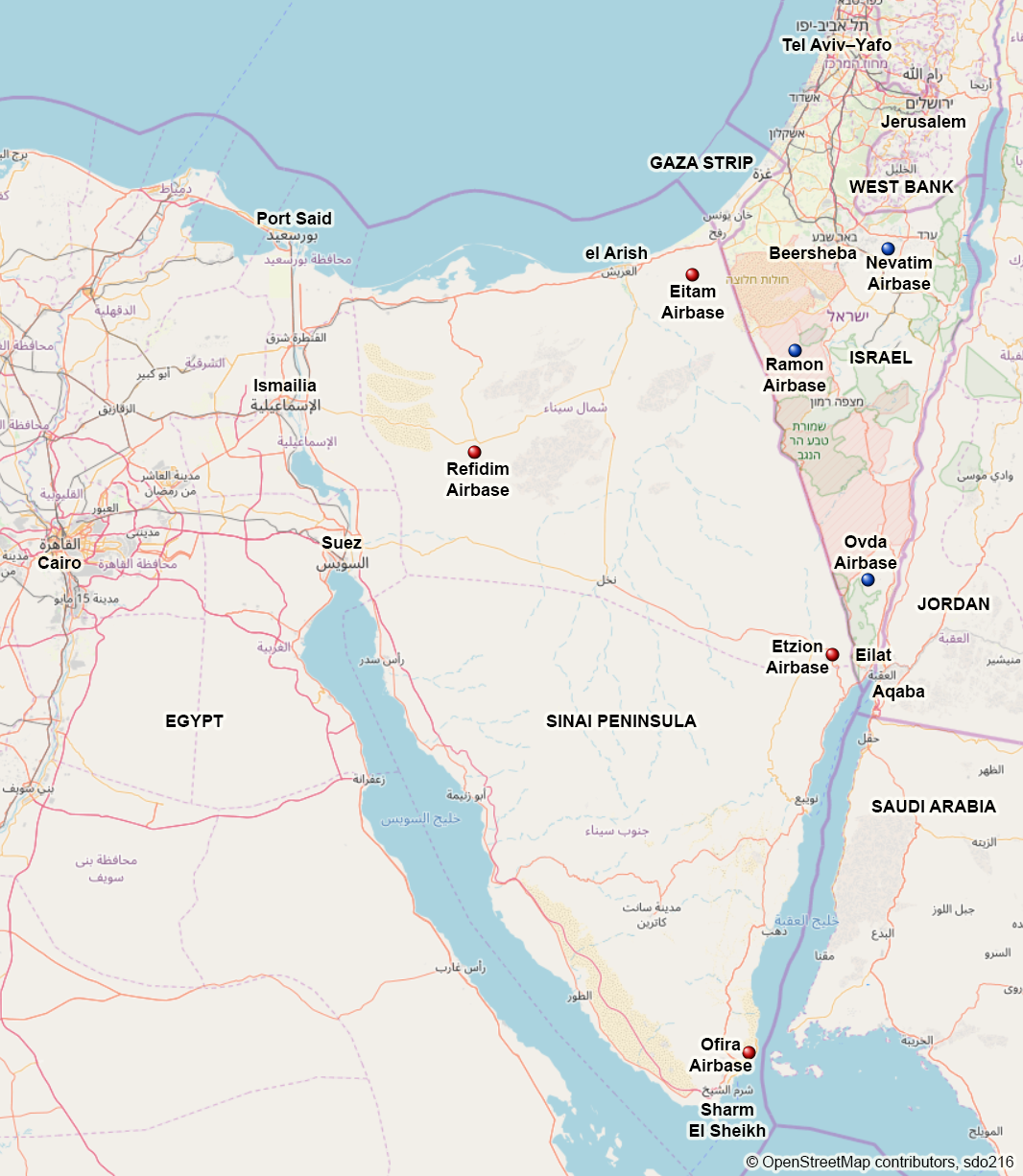
The Accords consisted of two framework documents. The most consequential, "A Framework for the Conclusion of a Peace Treaty between Egypt and Israel," established the basis for normalization, withdrawal of Israeli forces from the Sinai Peninsula, and mutual recognition—steps that led directly to the 1979 Egypt–Israel Peace Treaty. The other document, "A Framework for Peace in the Middle East," outlined principles for autonomy and governance in the Palestinian territories, but it was drafted without Palestinian participation and proved controversial.
Key provisions (summary)
- Israeli withdrawal from most of the Sinai over phased periods and Egyptian sovereignty restored.
- Mutual diplomatic recognition and the establishment of normal relations between Egypt and Israel.
- An interim plan for Palestinian self-governance in the West Bank and Gaza, intended as a step toward a permanent settlement.
- Security arrangements, limitations on military deployments in Sinai, and guidelines for dispute resolution.
Immediate outcomes and reception
The Accords culminated in the formal peace treaty signed in 1979 and earned the two primary leaders the Nobel Peace Prize. However, the arrangements prompted strong reactions across the Arab world. Egypt faced diplomatic isolation—its participation in Arab institutions was suspended for a period—and widespread criticism for negotiating directly with Israel. The draft framework on Palestinian autonomy was criticized by many as insufficient because Palestinians were not directly part of the negotiations; the United Nations and several Arab states expressed objections.
Long‑term significance and controversies
Strategically, the Camp David process marked the first time an Arab state formally recognized Israel, changing regional alignments and setting a precedent for bilateral peace. The return of Sinai to Egypt and the demilitarization arrangements are durable outcomes. Yet the Palestinian question remained unresolved: the autonomy proposals were never implemented as originally conceived, and the accords did not produce a comprehensive Arab–Israeli peace. The Egyptian leadership also paid a domestic price—President Sadat faced political backlash and was assassinated in 1981, an event often linked to opposition to his peace policy.
Legacy
Decades after Camp David, the Accords are remembered as a milestone in diplomacy: a successful example of intensive mediation that achieved a concrete, bilateral peace, while also illustrating the limits of agreements made without direct participation of all affected parties. Scholars and policymakers continue to study the negotiations for lessons about mediation, power asymmetries, and how regional politics shape the durability of peace settlements.
For more detailed primary documents and analysis, see resources linked to the principal figures and texts: background on Sadat's policies, Begin's leadership, and archival material about Palestinian territories, mediation by Carter, the site of talks at Camp David, and records of the resulting Egypt–Israel treaty.
Author
AlegsaOnline.com Camp David Accords (1978): Frameworks that reshaped Egyptian–Israeli relations Leandro Alegsa
URL: https://en.alegsaonline.com/art/136061