
Prime Minister of Israel
The Prime Minister of Israel is the head of government and chief executive, responsible for forming and leading the cabinet, setting policy, and directing national security within Israel’s parliamentary system.
Overview
The Prime Minister of Israel is the nation's head of government and de facto chief executive. The officeholder normally leads the governing coalition in the Knesset (Israel’s parliament) and coordinates the work of ministers across civilian and security portfolios. The role is commonly described as the head of government and the chief executive of Israel, overseeing policy implementation and representing the government both at home and abroad.
Image gallery
10 Images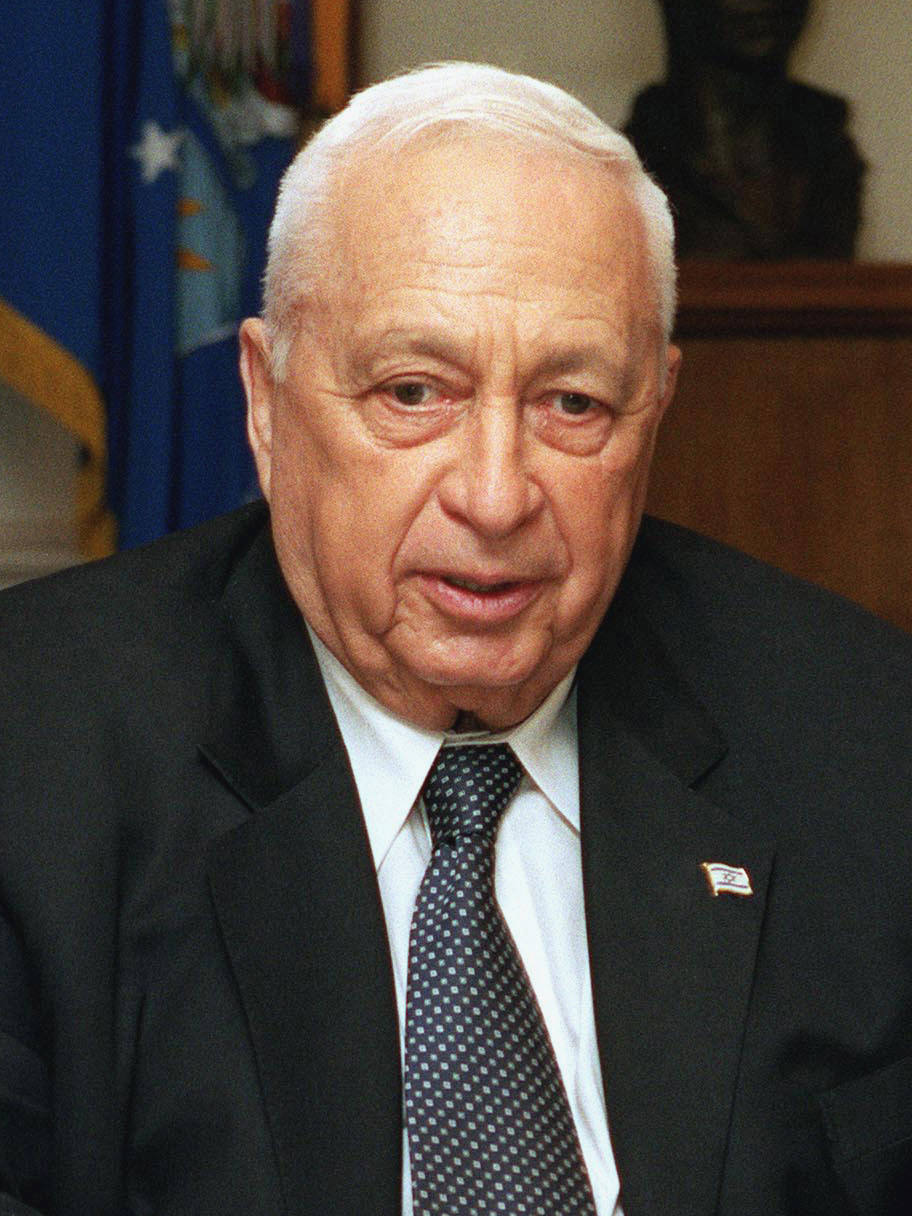


Role and responsibilities
The prime minister directs the executive branch and chairs the cabinet (the Government of Israel). Key responsibilities typically include:
- Forming and maintaining a governing coalition and selecting cabinet ministers.
- Setting government policy on domestic, economic and foreign affairs.
- Coordinating national security policy together with the defence establishment and security agencies.
- Representing Israel in high-level international meetings and negotiations.
Selection, tenure and accountability
After legislative elections the President of Israel invites a Knesset member—usually the leader who can command a majority—to become prime minister and form a government. There is no fixed term for the office: tenure depends on maintaining Knesset confidence and coalition support. The Knesset can remove a government by a vote of no confidence, and prime ministers may resign or be replaced during coalition reshuffles.
History and development
The office was established with the founding of the state in 1948; David Ben-Gurion served as the first prime minister. Over time the role has evolved with changes in party politics, coalition practice and legal reforms affecting appointment procedures and ministerial powers. The Prime Minister’s Office, based in Jerusalem, is the central administrative body that supports the incumbent.
Notable facts and distinctions
While the prime minister is the chief executive, Israel also has a separate President who serves as head of state with largely ceremonial duties. The title in Hebrew is often rendered as Rosh HaMemshala. Several politicians have held the office in recent decades; notable examples include long-serving leaders as well as shorter-lived coalition heads. Contemporary public debate often focuses on coalition stability, security policy and the prime minister’s relationship with the judiciary and legislature. For information on individual officeholders such as Yair Lapid, see dedicated biographies and official resources.
Related articles
Author
AlegsaOnline.com Prime Minister of Israel Leandro Alegsa
URL: https://en.alegsaonline.com/art/79068