
Menachem Begin: Zionist leader, Irgun commander, and Israeli prime minister
Biography of Menachem Begin (1913–1992), covering his early activism, leadership of the Irgun, premiership, major policies and legacy, including the Egypt–Israel peace treaty and Nobel Prize.
Overview
Menachem Begin (16 August 1913 – 9 March 1992) was a central figure in 20th‑century Zionist and Israeli politics. Born in what is now Brest, Belarus, Begin became active in Revisionist Zionism as a young man and later emerged as a wartime paramilitary leader, long‑time opposition politician and, from 1977 to 1983, the sixth Prime Minister of the State of Israel. His premiership combined a firm national security posture with a surprising diplomatic breakthrough that led to a formal peace with Egypt.
Image gallery
10 Images


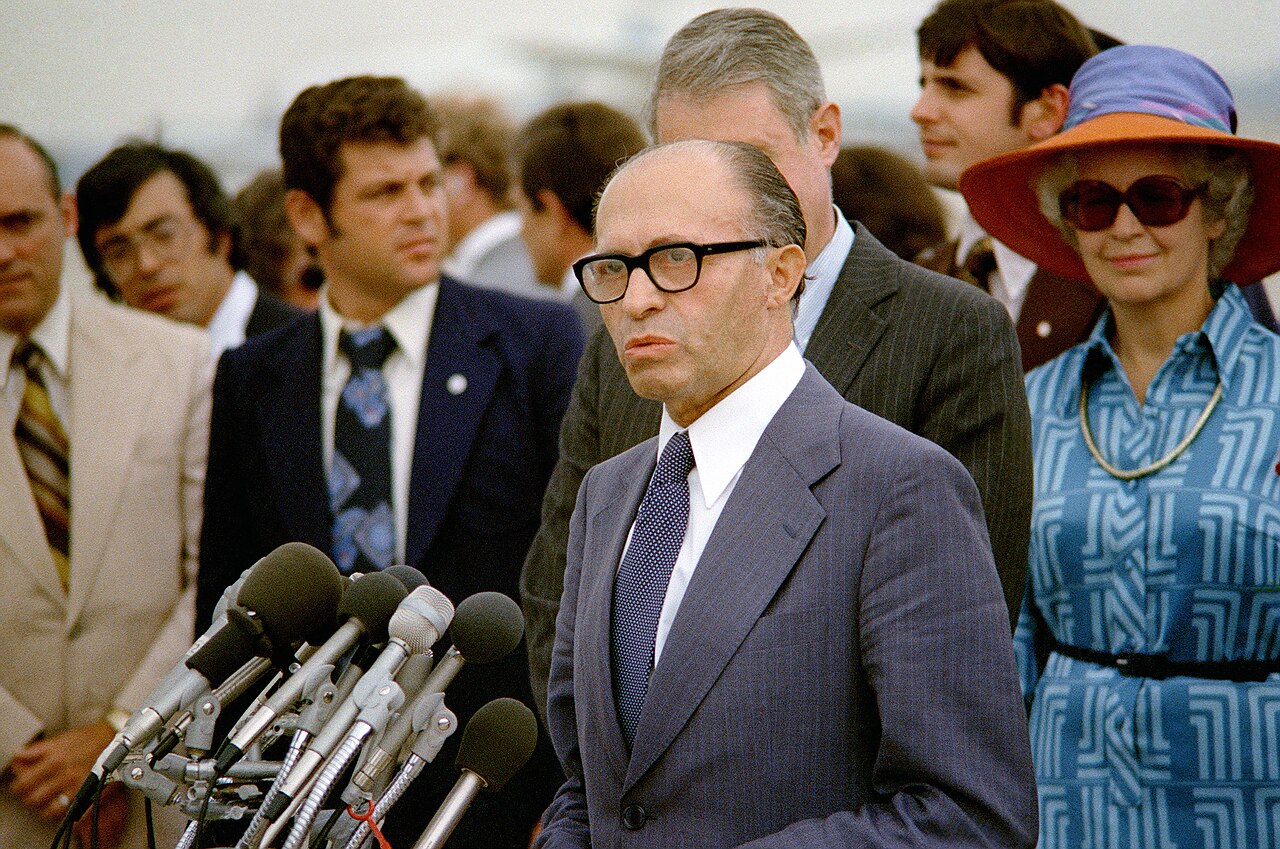
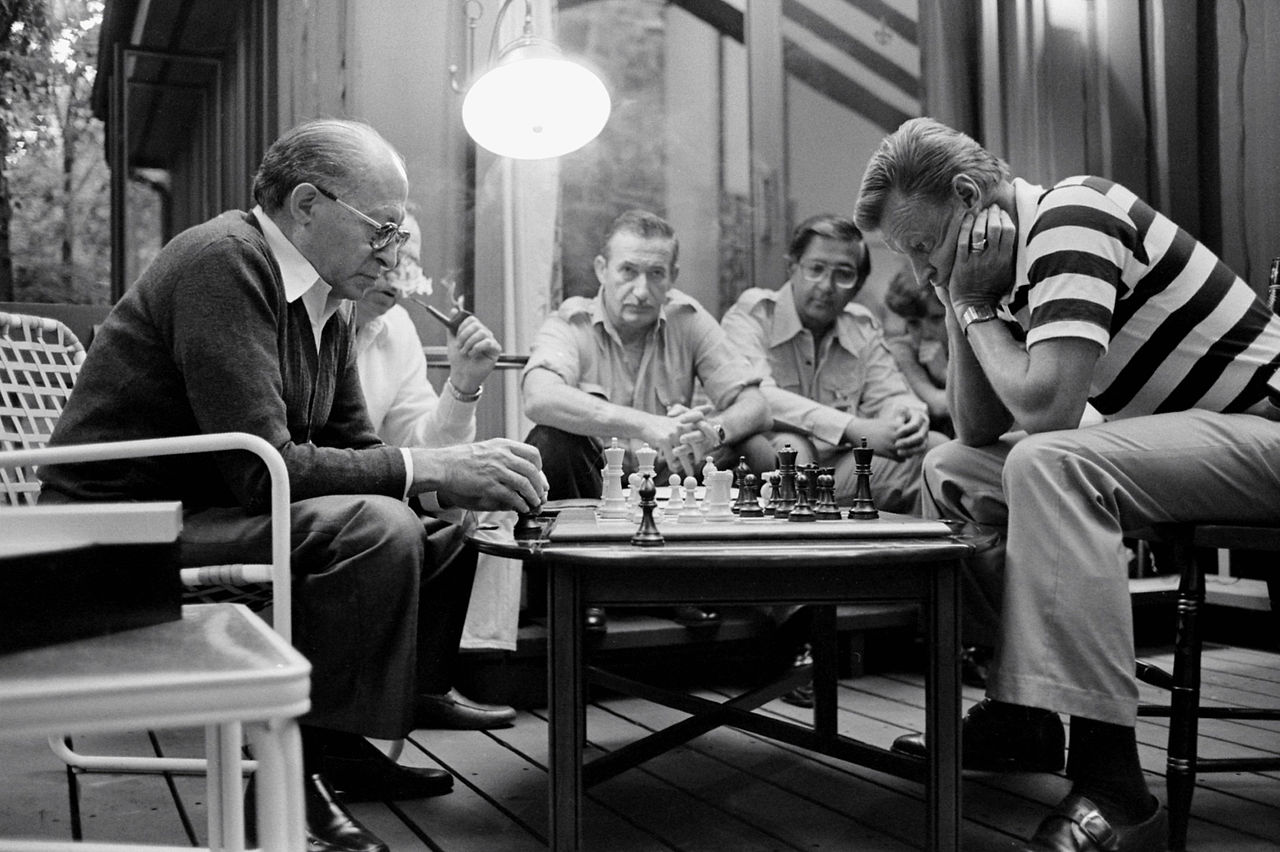


Early life and pre‑state activity
Begin was raised in a Jewish family steeped in the ideas of Ze'ev Jabotinsky and the Revisionist movement. During World War II he joined the Free Polish forces and reached Mandatory Palestine in 1942. He soon took leadership of the underground military organization known as the Irgun, which fought both British rule and Arab opponents in the years before Israel's statehood. The Irgun was regarded by some contemporary authorities as a terrorist group; its tactics and legacy remain debated by historians.
Political career and leadership
After Israel's establishment, Begin moved into electoral politics and eventually helped unite several right‑wing groups under the banner of Likud. The party (sometimes referenced in accounts simply as the opposition bloc) mounted a historic victory in 1977 that ended decades of Labor alignment at the head of Israeli governments. As prime minister, Begin led coalitions that reflected both nationalist and religious constituencies, reshaping the country's political balance.
Major actions and policies
Begin's time in office is marked by decisive and controversial measures, domestic and international. Among the most notable were:
- Domestic and territorial steps such as the formal declaration of Jerusalem as the capital of Israel and the extension of Israeli law over the Golan Heights.
- Preemptive military action: in 1981 Israel carried out an airstrike that destroyed an Iraqi nuclear reactor, a decision taken amid concerns about Saddam Hussein's regime in Iraq and its regional ambitions; Saddam Hussein is often named in accounts of the period (Saddam Hussein).
- Conflict and security policy illustrated by Israel's invasion of Lebanon in 1982, an episode commonly referred to as the 1982 Lebanon War, which generated both strategic debate and domestic criticism.
- Diplomacy: the most far‑reaching achievement was the negotiation and signing of the Egypt–Israel Peace Treaty, following direct talks with Egyptian President Anwar Sadat, a diplomatic breakthrough that earned Begin and Sadat the Nobel Peace Prize.
Resignation and later years
Facing political and personal pressures, including disputes within his coalition and the aftermath of the Lebanon campaign, Begin announced his intention to step down and formally resigned as prime minister in October 1983. He retired from public life and died in 1992; he was buried on the Mount of Olives.
Legacy and notable distinctions
Begin remains a polarizing figure: admired by supporters for breaking Labor's monopoly, for assertive defenses of Israel's security and for securing a peace treaty with Egypt; criticized by opponents for the Irgun's wartime methods and for decisions that led to military conflict. His life illustrates key tensions in Israel's early decades between militant activism, democratic politics and diplomatic realism. For readers seeking more detail, each of the names and terms used here corresponds to extensive historical literature and primary documents on Israeli statehood, politics and Middle East diplomacy.
Author
AlegsaOnline.com Menachem Begin: Zionist leader, Irgun commander, and Israeli prime minister Leandro Alegsa
URL: https://en.alegsaonline.com/art/126639