
Anwar Sadat
Third President of Egypt (1970–1981), led the 1973 war, signed the Camp David Accords, won the Nobel Peace Prize, and was assassinated in 1981.
Muhammad Anwar el-Sadat (25 December 1918 – 6 October 1981) was an Egyptian military officer and statesman who served as the third President of Egypt from 1970 until his death in 1981. He guided Egypt through a major reorientation in foreign policy, presided over war and peace with Israel, and pursued economic and political changes that left a mixed legacy.
Image gallery
10 Images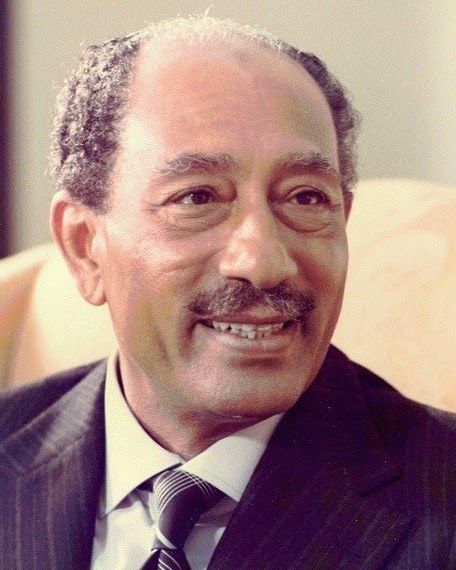




Early life and rise to power
Sadat trained as an army officer and became active in the movement that ended the monarchy in 1952. He served alongside Gamal Abdel Nasser and rose through political ranks, holding ministerial and vice-presidential posts before succeeding Nasser on 15 October 1970. His background in the Free Officers movement and close association with the 1952 revolution shaped his legitimacy among many Egyptians.
Major policies and international role
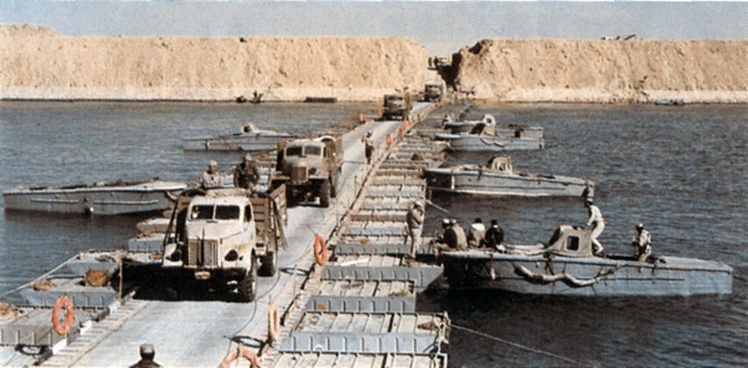
As president he shifted Egypt away from the Soviet sphere toward a closer relationship with the United States, pursued an economic liberalization policy called the infitah (open door), and launched a surprise counter-offensive against Israel in October 1973. That conflict helped create the conditions that led to the Camp David negotiations and a peace treaty between Egypt and Israel in 1979; for that achievement Sadat shared the Nobel Peace Prize.
Domestic measures and controversies
Sadat loosened some state controls and encouraged private investment, but also suppressed political dissent from both leftists and Islamists. His economic reforms produced uneven results and social tensions. The 1979 peace treaty restored the Sinai Peninsula to Egypt but cost Sadat regional support and led to Egypt’s temporary isolation from many Arab states.
Assassination and legacy
On 6 October 1981 Sadat was killed during a military parade in Cairo by members of an extremist group. The event shocked the country and the region, removed a central figure in Middle Eastern politics, and intensified debates about political openness and security. His role in achieving peace with Israel and in reshaping Egypt’s international alignment remains a defining and contested part of his record.
Notable facts
- Presidency: Served as President of Egypt from 1970 to 1981.
- 1973 conflict: Led Egypt in the October 1973 war against Israel.
- Peace effort: Architect of the Camp David Accords and co-recipient of the Nobel Peace Prize.
- Death: Assassinated on 6 October 1981; attackers identified as Islamic extremists in many accounts and reports of the assassination.
Related articles
Author
AlegsaOnline.com Anwar Sadat Leandro Alegsa
URL: https://en.alegsaonline.com/art/114488
Sources
- jewishvirtuallibrary.org : "Anwar al-Sadat"
- onwar.com : "The Corrective Revolution in Egypt 1971"
- books.google.com : Anwar Sadat
- news.bbc.co.uk : "1981: Egypt's President Sadat assassinated"
- dev.wcfia.harvard.edu : "Group processes in the resolution of international conflicts: Experiences from the Israeli-Palestinian case"
- huffingtonpost.com : "Middle East Peace Talks: Israel, Palestinian Negotiations More Hopeless Than Ever"
- learn.diplomacy.edu : "Courses"
- nytimes.com : "Egypt and Israel Sign Formal Treaty, Ending a State of War After 30 Years; Sadat and Begin Praise Carter's Role"
- books.google.com : A brief history of Egypt