
Bract (botany): modified leaves associated with flowers and inflorescences
A bract is a specialized or modified leaf that occurs beneath a flower or cluster of flowers; it may protect buds, attract pollinators, or form structures distinct from petals and sepals.
Overview
In botany, a bract is a modified leaf that is closely associated with a flower or an inflorescence. Unlike ordinary foliage leaves, bracts commonly differ in size, shape, color or texture from the plant’s vegetative leaves. They occupy a position immediately below or around reproductive structures and are often mistaken for petals, though they are anatomically distinct from floral parts such as sepals.
Image gallery
10 Images


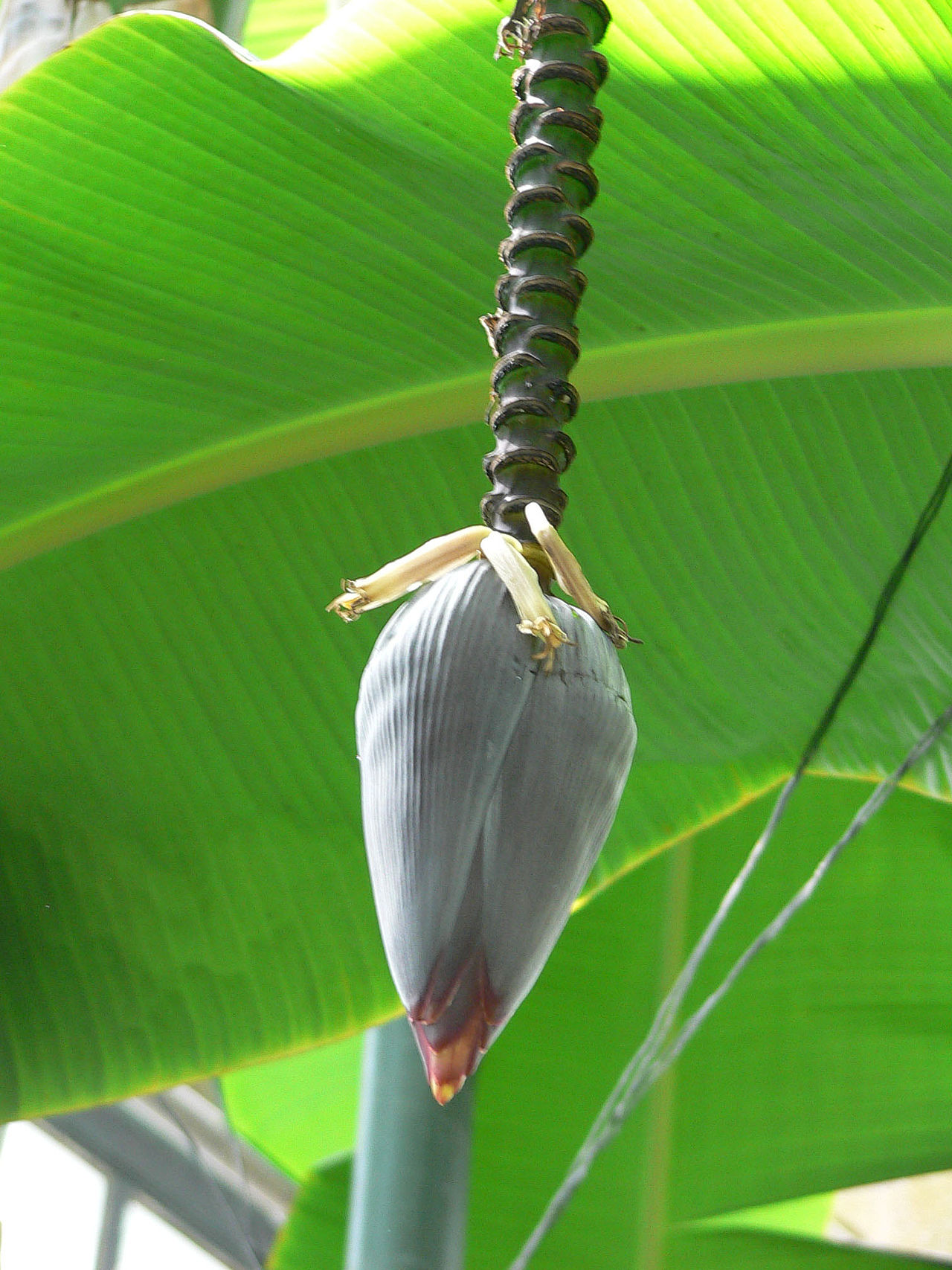

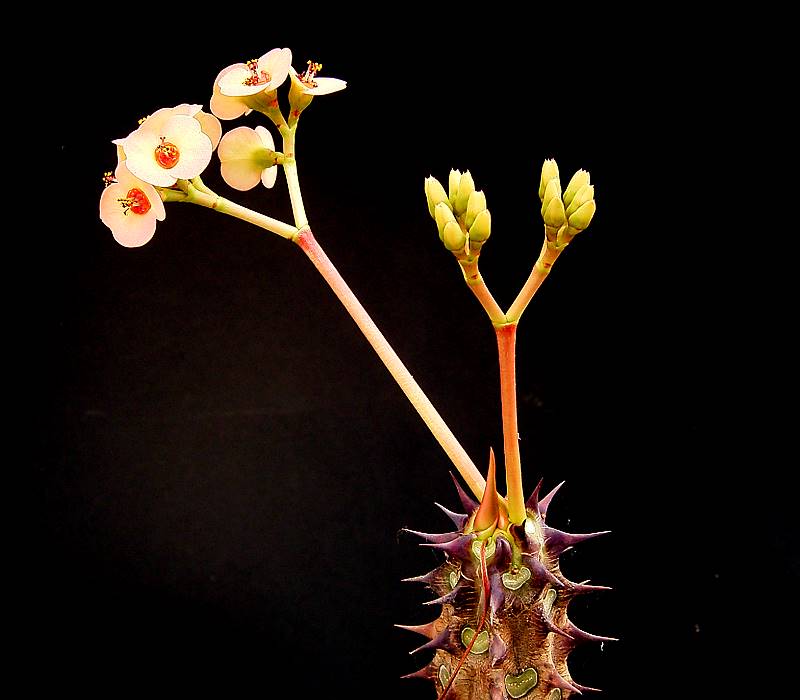


Forms and morphology
Bracts vary widely among plant groups. Some are small and scale-like while others are large, showy and petal-like. Specialized terms describe these variations: bracteoles (small bracts on individual flower stalks), involucres (a group of bracts forming a cup or ring around a cluster), and spathes (a large, often sheathing bract found in families like Araceae). Their surfaces may be thin and papery, fleshy, hairy, or pigmented.
- Bracteole: secondary, often tiny bract on the pedicel.
- Involucre: whorl or cluster of bracts beneath an inflorescence.
- Spathes: large bracts that enclose or subtend flowers (e.g., calla lily).
Functions and ecological roles
Bracts perform several functions beyond simple support. They can protect developing buds from herbivores and weather, help direct pollinators by providing visual or tactile cues, and sometimes aid in seed dispersal. In some species, brightly colored bracts take over the role of petals to attract pollinators, while true petals are reduced or absent.
- Protection: shielding buds and young flowers.
- Attraction: colorful bracts that mimic petals.
- Support and thermoregulation: sheltering reproductive organs.
Examples, uses and identification
Familiar examples include the red bracts of poinsettias and the papery bracts of bougainvillea, both of which are commonly mistaken for petals. Dogwood trees have prominent bracts surrounding small flower clusters, and grasses sometimes have bracts called glumes. Horticulturists and botanists use bract characteristics to identify species and cultivars because bracts can be consistent diagnostic features. In landscaping and floral design, showy bracts are valued for seasonal color and texture.
Distinctions and notes
When identifying or describing plant structures, it is important to distinguish bracts from true floral organs. Bracts are modified leaves and arise from vegetative nodes, whereas petals and sepals are parts of the flower itself. Terminology can overlap in common usage, so careful morphological observation or microscopic study may be necessary for precise classification.
For further reading on related botanical terms and examples, consult general botany resources or floras that detail floral morphology and inflorescence types.
Questions and answers
Q: What is a bract in botany?
A: A bract is a modified leaf, usually associated with a flower or inflorescence.
Q: How do bracts differ from normal leaves?
A: Bracts may be smaller, larger, or of a different color, shape, or texture than normal leaves.
Q: Are bracts visually distinct from other parts of a flower, such as petals and sepals?
A: Yes, usually bracts look different from the parts of the flower.
Q: Why are bracts associated with flowers or inflorescences?
A: Bracts are usually associated with flowers or inflorescences because they are modified leaves that serve a specialized purpose in supporting or protecting these reproductive structures.
Q: Can bracts appear similar to normal leaves in some cases?
A: It is possible for bracts to appear similar to normal leaves in some cases, but typically they are distinguishable in appearance.
Q: Do all plants have bracts?
A: No, not all plants have bracts. However, they are common in many plant species.
Q: What is the function of bracts?
A: The function of bracts is to support or protect the flowers or inflorescences they are associated with.
Related articles
Author
AlegsaOnline.com Bract (botany): modified leaves associated with flowers and inflorescences Leandro Alegsa
URL: https://en.alegsaonline.com/art/13590
Sources
- textbookcorp.tn.gov.in : "TNTBESC"
- botanydictionary.org : "epicalyx - Dictionary of botany"