
Bougainvillea: Ornamental climbing shrubs from South America
Bougainvillea is a genus of woody vines and shrubs known for vibrant papery bracts and small flowers. Native to South America, it is widely cultivated in warm regions for ornament and hedging.
Bougainvillea is a group of thorny, woody plants valued for their brightly colored bracts that surround small, inconspicuous flowers. Members of this genus are usually grown as climbing shrubs, groundcover or container specimens in warm climates. They are popular in gardens, parks and as street plantings where frost is rare, and are also commonly maintained in conservatories and greenhouses farther north.
Image gallery
10 Images


Characteristics
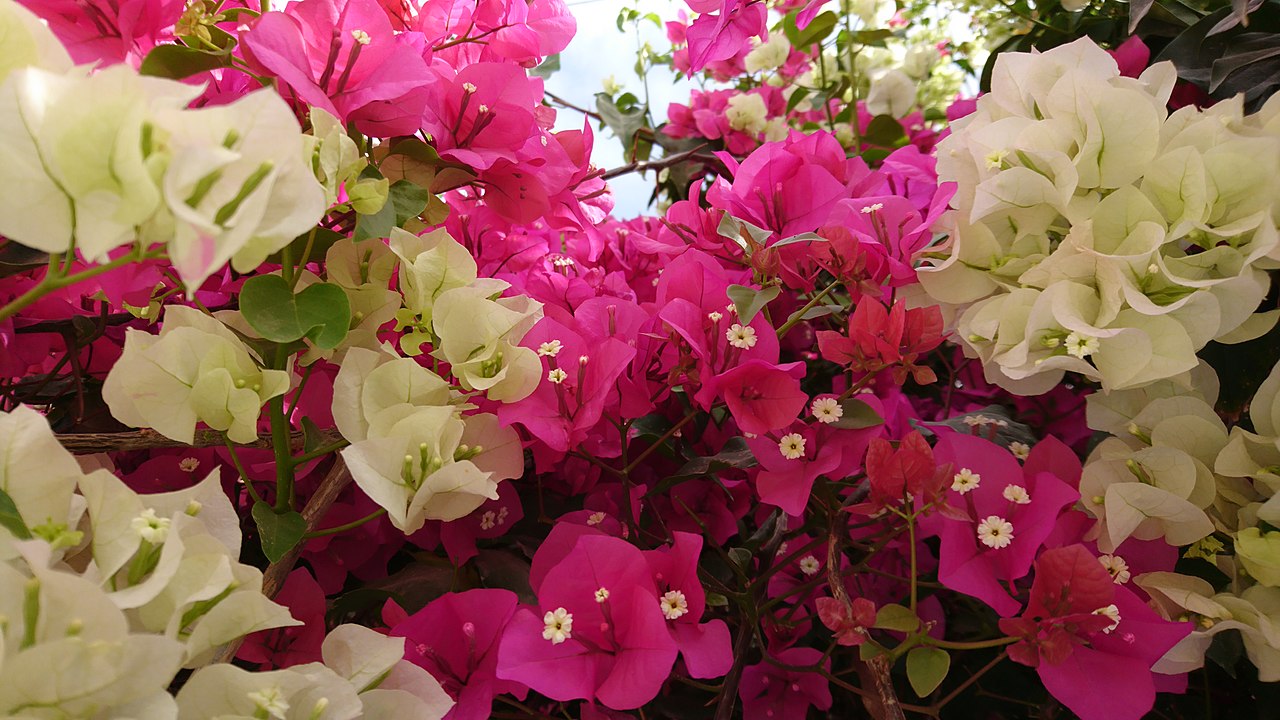
Bougainvillea plants have several distinctive features. The striking color that people notice are not the true petals but modified leaves called bracts, which occur in shades of magenta, purple, red, orange, pink and white. The actual flowers are tubular, typically small and cream-colored. Stems are often woody and armed with thorns; foliage can be evergreen in frost-free areas or deciduous in response to drought or cold. Common cultivated taxa include Bougainvillea spectabilis and Bougainvillea glabra as well as numerous hybrids and cultivars.
History and native range
Bougainvillea originates from coastal and dry forest regions of South America. The plants became known to European botanists during 18th-century Pacific voyages and were later introduced to gardens around the world. The genus name honors the French navigator whose expedition first brought specimens to European attention. Today the plants are naturalized in many tropical and subtropical areas, and one of its cultural associations is as the national flower of Grenada.
Cultivation and uses
Bougainvillea is valued for ornamental uses and landscape versatility. It is used as a climbing vine trained on trellises and walls, as a compact flowering hedge, in espalier forms, and in containers or bonsai. The plants prefer full sun, well-drained soil and moderate watering; they tolerate drought once established and respond well to pruning. Propagation is typically by semi-hardwood cuttings rather than seed for fidelity to cultivar traits. Common pests and problems include aphids, scale and fungal leaf spots in humid conditions.
Notable facts and distinctions
- The colorful display comes from bracts rather than the true flower; this distinction is often misunderstood by casual observers.
- Different species and hybrids vary in growth habit: some are vigorous climbers while others are more bushlike.
- In cooler climates bougainvillea is usually grown indoors or in protected microclimates; in warm regions it can become a long-lived landscape staple.
For general taxonomic context see genus overview and for botanical details consult resources on flowering plants. For information about native distribution see South American flora. Guidance on cultivation in North American climates is available through horticultural pages such as regional planting guides. The historical naming and voyage context can be explored at accounts of the Bougainville expedition.
Tags
Related articles
Author
AlegsaOnline.com Bougainvillea: Ornamental climbing shrubs from South America Leandro Alegsa
URL: https://en.alegsaonline.com/art/13308