
Tyrol (region) — Alpine region of Austria and Italy
Tyrol is a historical Alpine region split between Austria and Italy, known for high mountains, multilingual communities, distinct political divisions, major transit routes and a tourism-driven economy.
Overview
Tyrol (German: Tirol, Italian: Tirolo) is a historic and geographic region in the Alps that today lies on the border between northern Italy and western Austria. The name denotes both a cultural landscape and the territory of the former County of Tyrol. The region is characterised by high mountain ranges, deep valleys, important alpine passes and a long history of cross‑border exchange. Tourism, agriculture suited to mountain conditions and small‑scale industry are significant elements of the modern economy.
Image gallery
10 Images




Geography and natural features
Tyrol occupies a major part of the eastern Alpine arc and includes sections of the Central Eastern Alps as well as parts of the Northern and Southern Limestone Alps. To the west it meets the Italian region of Lombardy and the Swiss Confederation, including the canton of Graubünden. It borders the Austrian state of Vorarlberg in the west, the country of Germany (notably the state of Bavaria) in the north, and stretches toward the Italian region of Veneto in the south and east.
Mountain groups that define the region include the Dolomites in the south and parts of the Allgäu Alps in the north. The topography creates varied microclimates: high peaks and glaciers, steep valley floors, and lower hills and basins that support orchards and vineyards in places. Important landmarks are the Brenner Pass, a principal north–south corridor across the Alps, and the northern shoreline of Lake Garda, which lies close to Tyrolean uplands and moderates the local climate in adjacent areas.
Political divisions and languages
Modern Tyrol is divided between the Republic of Austria and the Italian Republic. On the Austrian side the federal state of Tyrol consists of two geographically separate parts: North Tyrol and East Tyrol. The Italian portion largely corresponds to the autonomous region of Trentino–Alto Adige/Südtirol, which is composed of the Province of Trento (commonly called Trentino) and the Province of Bolzano–Bozen (commonly known as South Tyrol or Alto Adige).
- Austria: State of Tyrol — North Tyrol and East Tyrol.
- Italy: Region of Trentino–Alto Adige/Südtirol — Trentino (Province of Trento) and South Tyrol (Province of Bolzano/Bozen).
Language use reflects this political division: German predominates in North and East Tyrol and in much of South Tyrol; Italian is dominant in Trentino; and Ladin, a Rhaeto‑Romance language, survives in several high valleys. South Tyrol in particular has extensive language protections and institutional autonomy designed to preserve its German‑ and Ladin‑speaking communities.
History
The territory broadly corresponded to the historic County of Tyrol, which was part of the Habsburg domains for several centuries and later a component of Austria‑Hungary. Following the turmoil of World War I and the collapse of the Habsburg monarchy, post‑war negotiations and treaties in and after 1919 assigned the southern areas to Italy while the northern areas remained with Austria. This division produced separate administrative and political developments in the 20th century, although cultural links and family ties across the new border persisted.
In recent decades cross‑border cooperation has increased. Since the 1990s the three main parts (Austrian Tyrol, South Tyrol and Trentino) have participated in a joint Euroregion framework to coordinate transport, environmental policy and cultural exchange.
Economy, transport and tourism
The alpine geography shapes transport and economic patterns. Major rail and motorway corridors crossing the Brenner Pass connect the Po Valley with central Europe and are important for freight and passenger movement. Local economies balance tourism, services, small‑scale manufacturing, forestry and mountain agriculture. Winter sports attract international visitors to ski resorts and training facilities, while summer months draw hikers, cyclists and water sports enthusiasts to lakes and valleys.
Tourism infrastructure varies from large resort centres to family‑run guesthouses and alpine huts; cultural tourism complements outdoor recreation, with historic towns, markets and regional cuisine forming part of the offer. Agriculture remains adapted to altitude, with dairying, alpine pastures and fruit growing where slopes and microclimates allow.
Culture, towns and sites
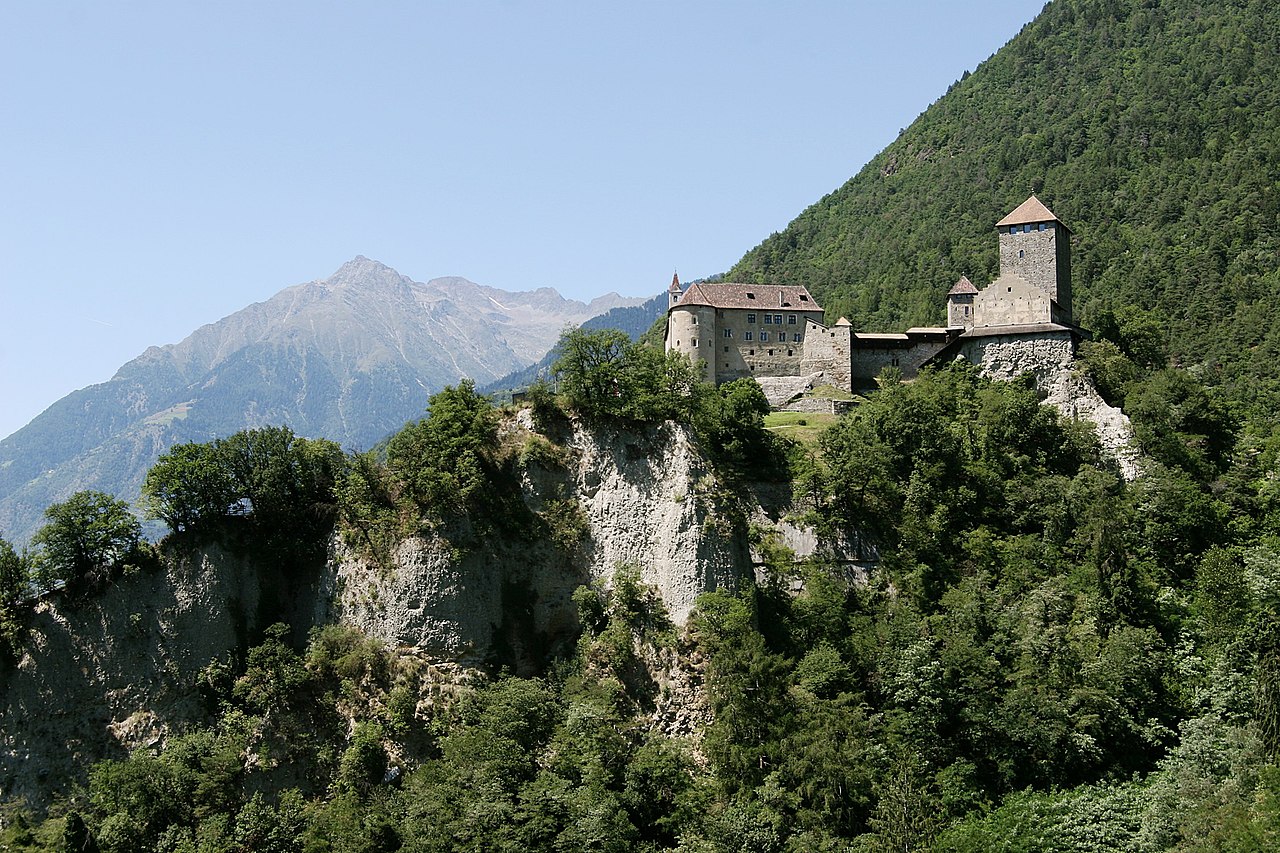
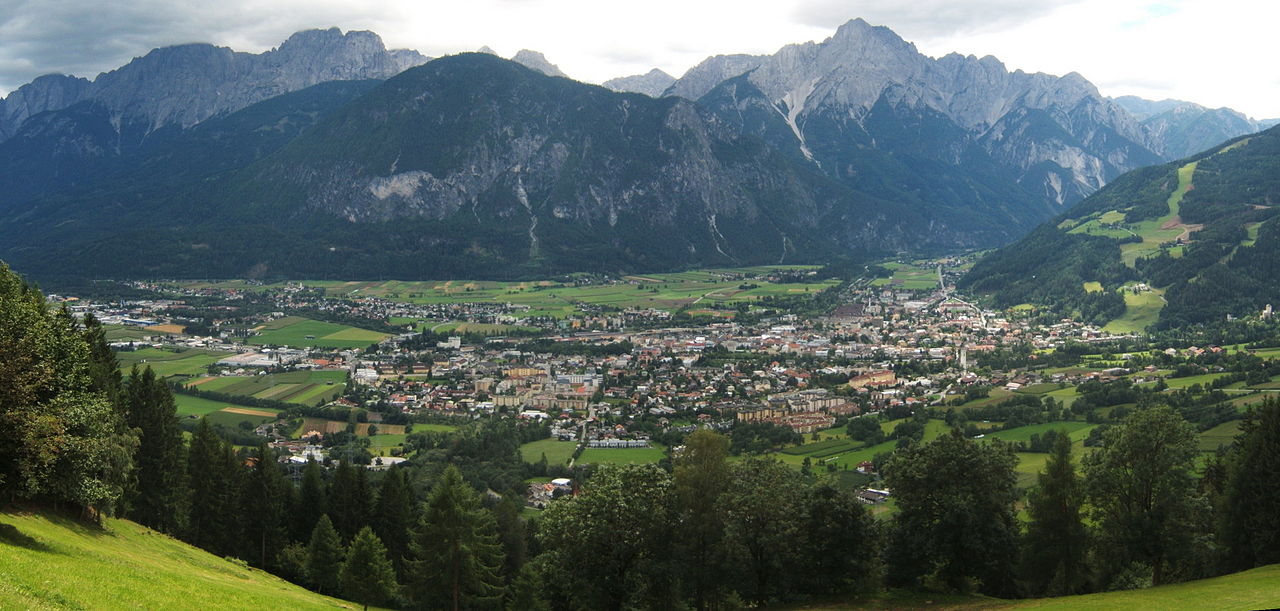
Urban and cultural centres in the Tyrol region include Innsbruck, the principal city of Austrian Tyrol and a long‑established centre for winter sports and mountain research; Lienz in East Tyrol; and the Italian provincial capitals of Trento and Bolzano/Bozen. The spa town of Merano is noted for its mild climate and tourism legacy. Local traditions include alpine folk music, regional costume, handicrafts and a cuisine that blends Germanic and Italian influences.
Key distinctions to bear in mind are the difference between the historical County of Tyrol and the present political entities, the special legal status and protections of South Tyrol within Italy, and the practical cooperation achieved through cross‑border institutions. For administrative details, travel planning and official statistics, readers can consult the territorial authorities and regional portals linked above.
Author
AlegsaOnline.com Tyrol (region) — Alpine region of Austria and Italy Leandro Alegsa
URL: https://en.alegsaonline.com/art/132349