
Mountain pass: definition, formation, history and modern uses
A mountain pass is a natural low point or saddle used as a crossing in a range. This article covers formation, physical features, historical role, modern engineering, ecology, hazards and notable examples.
Overview
A mountain pass is a natural route through a range of hills or mountains that provides relatively easier passage between two higher areas. In geomorphology the highest point along that route is often called a saddle or col. Passes reduce the effort needed to move from one valley to another and have shaped human travel, trade and migration across rugged terrain. Geographic setting and the shape of surrounding mountain ranges determine where a pass forms, while the pass itself functions as a path across a mountain barrier.
Image gallery
10 Images


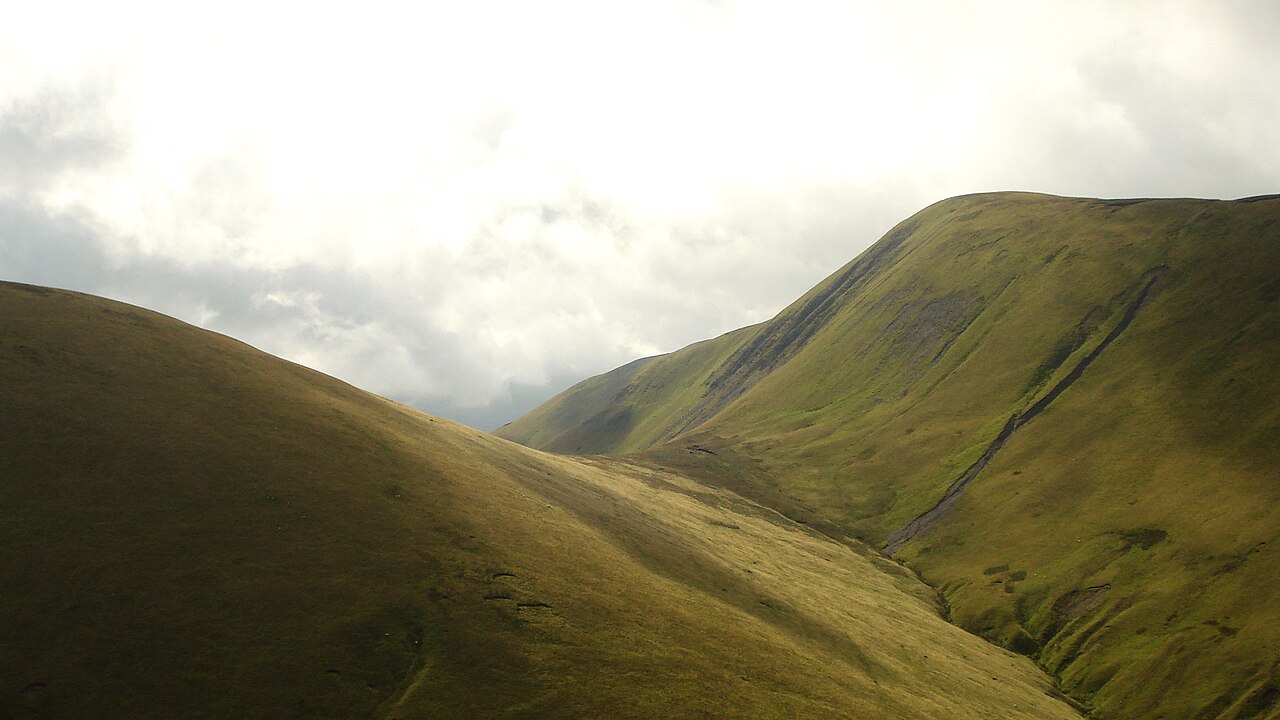


Physical characteristics and formation
Passes commonly develop where glaciers, rivers or tectonic forces carve a notch between summits. Glacial activity can overdeep a col and leave a pronounced saddle, fluvial erosion may cut headward into a divide, and faulting can create lower corridors. Because many passes lie near the headwaters, they frequently connect the sources of adjacent rivers, forming convenient links between watersheds. Approaches range from short, rocky ramps with steep slopes to long, gentle valley routes that may extend for many kilometers as broad valleys.
Human history, culture and strategic importance
Mountain passes have concentrated human movement and been focal points for commerce and conflict. For centuries traders and caravans have followed reliable passes and established routes that became economic lifelines; control of a single pass could influence access to whole regions. Military campaigns have similarly depended on passes to move troops or to block invaders. Because passes channel traffic, they are also cultural contact zones where ideas, languages and goods have been exchanged along long-distance travel corridors. Historic references to commerce and trade and to campaigns and war often highlight the role of key passes.
Transport, engineering and modern routes
Engineers typically route roads and railways through passes where gradients are manageable and construction costs are lower than crossing higher summits. Modern infrastructure often improves older tracks with paved highways, avalanche galleries, retaining structures and cuttings. In many high or exposed passes, long tunnels have been bored beneath ridges to shorten travel time, reduce weather exposure and provide year-round access. Conventional roads still cross many passes at their crests, but tunnels and engineered detours are common where safety or continuity of transport is crucial.
Settlement, services and waystations
The top of a pass may offer the only relatively level ground in a high area, making it a logical site for shelters, inns, customs posts and small permanent settlements. Historically, such sites served as staging posts for pack animals, postal services and pilgrim routes. In modern times, mountain passes often host weather stations, road maintenance facilities and border checkpoints where ranges form international frontiers.
Ecology, hazards and conservation
Ecologically, passes act as corridors for species movement between valleys and may host unique assemblages of plants adapted to the transitional conditions. They are also places of vulnerability: invasive species and human traffic can alter local communities. Mountain passes are exposed to rapid weather change, avalanches, rockfall and, at extreme elevations, reduced oxygen. Conservation and risk management aim to balance access with the protection of fragile alpine habitats.
Borders, law and security
Where international boundaries follow high ranges, passes frequently become formal border crossings and points of regulation. Their legal and administrative status can shape migration policy, customs control and search-and-rescue responsibilities. Because a pass can control a corridor between regions, it retains strategic significance in both historical and contemporary contexts.
Notable examples
- Great St. Bernard Pass — a famous Alpine crossing long used by pilgrims and traders and associated with historic waystations.
- Khyber Pass — a strategic corridor linking Central Asia and the South Asian plains, long important for commerce and movement between Afghanistan and Pakistan.
- Khardung La — an exceptionally high pass in the Himalayan region near Jammu and Kashmir, India, noted for its elevation and seasonal accessibility.
Practical considerations for travelers
Travelers and transport planners consider gradient, snow and avalanche history, road maintenance, and seasonal accessibility when using a pass. High passes may be closed in winter; those that remain open are often protected by avalanche control measures and require specialized vehicles or chains during severe conditions. Emergency services and route information are essential in remote mountain areas.
Environmental change and future challenges
Climate change is altering snow patterns, glacier extent and hydrology in many mountain systems, which affects the safety and viability of passes. Thaw-related instability, changing runoff timing and altered vegetation zones can influence the long-term management of pass routes. Balancing infrastructure needs with ecological protection and community interests remains a central challenge for planners and conservationists.
Further reading and resources
Readers can follow regional maps and transport agencies for up-to-date information on individual passes, and consult geological and ecological studies for detailed formation and habitat descriptions. For historic accounts, regional histories and travel narratives often highlight the cultural significance of well-known crossings.
Questions and answers
Q: What is a pass?
A: A pass is a path for crossing a mountain, usually located between two higher areas.
Q: How have passes been important throughout history?
A: Passes have been important throughout history in trade, war and migration due to the difficulty of travelling through mountain ranges.
Q: What form do passes typically take?
A: Passes typically take the form of a saddle between two mountains.
Q: Where are passes often found?
A: Passes are often found just above the source of a river, making a sort of "bridge" over to the headwaters of another river.
Q: Are all passes short with steep slopes?
A: No, some passes may be very long with valleys stretching for many kilometers.
Q: What is often built through passes?
A: Roads and railways are often built through passes.
Q: What makes passes good routes even when travelling between a summit and the valley floor? A: The fact that tracks meet at a pass makes them good routes even when travelling between a summit and the valley floor.
Related articles
Author
AlegsaOnline.com Mountain pass: definition, formation, history and modern uses Leandro Alegsa
URL: https://en.alegsaonline.com/art/67136