
Blois, France
Blois is a historic city on the Loire River, prefecture of Loir-et-Cher, renowned for the Château de Blois, diverse architecture, cultural institutions and its role as a former royal residence.
Overview
Blois is a city in central France situated on the banks of the Loire. It serves as the prefecture of the Loir-et-Cher administrative division, and has long been an important regional centre for administration, commerce and culture. The town combines an active modern life with a well-preserved historic core that attracts visitors interested in history and architecture.
Image gallery
10 Images


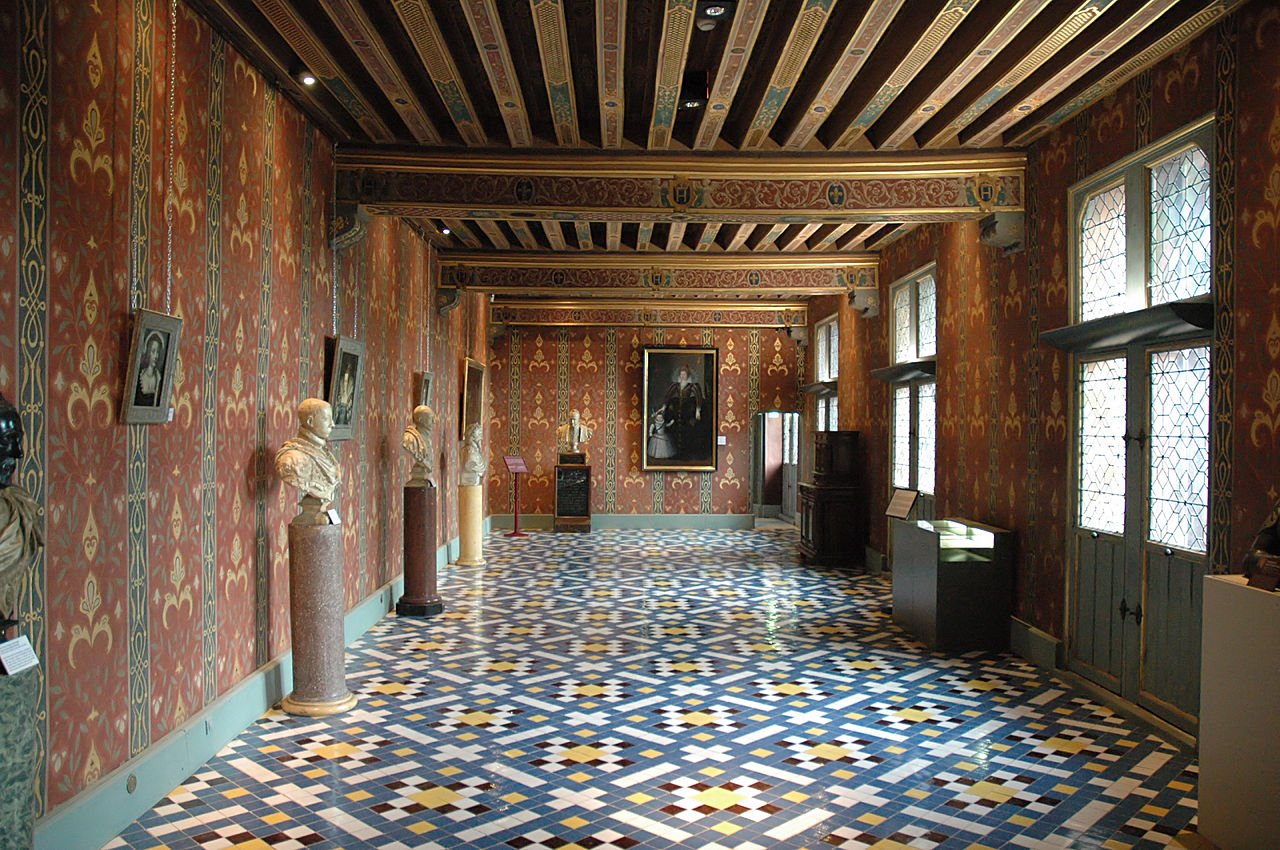


Architecture and principal landmarks
The most famous monument is the Château de Blois, a complex palace whose successive wings display medieval, Gothic, Renaissance and classical styles. The town also preserves narrow streets, townhouses, churches and public squares that reflect centuries of architectural change. Other civic and cultural buildings house museums, galleries and collections that interpret local art, history and crafts.
History and development
Blois developed around a strategic riverside site and a feudal stronghold. Over time it became a royal residence and a seat of power, which prompted successive building campaigns. The city's fabric documents phases from the Middle Ages through the Renaissance and later periods, showing how political importance and artistic patronage shaped its urban evolution.
Culture, economy and transport
Today Blois combines tourism with light industry, services and regional administration. Its museums, festivals and cultural programmes support a lively public life, while transport connections along the Loire valley link the city with larger urban centres. Visitors are drawn to historical tours, river-side walks and seasonal events that highlight local traditions.
Notable facts and distinctions
- Blois is widely known for its royal château and for the variety of architectural styles visible in a compact area.
- The town is associated with cultural institutions dedicated to the performing arts and to local heritage, including exhibits on illusionism and popular entertainment.
- As the administrative centre of its department, Blois plays a role in regional governance and public services.
For more detailed guides, event listings and visitor information, consult local resources and official tourist sites that cover routes, opening hours and seasonal programmes.
Tags
Related articles
Author
AlegsaOnline.com Blois, France Leandro Alegsa
URL: https://en.alegsaonline.com/art/12226