
Afroasiatic languages: overview, branches, history and modern role
Afroasiatic is a major language family of North Africa, the Horn, the Sahel and Western Asia, comprising six branches (including Semitic and Berber) and hundreds of languages with wide historical importance.
Overview
The Afroasiatic family is a large and geographically widespread grouping of related languages spoken across parts of North Africa, the Horn of Africa, the Sahel and Western Asia. Scholars commonly refer to it as Afroasiatic, Afrasian or, historically, Hamito-Semitic. The family includes roughly three hundred living languages and several extinct or liturgical varieties. A substantial share of the world’s speakers of Afroasiatic languages belong to one Semitic language in particular: Arabic, widely used as a native tongue and as a lingua franca in many countries. For a general introduction see overview sources.
Image gallery
2 Images
Branches and examples
Afroasiatic is normally divided into six principal branches. Each branch contains a range of languages with distinct histories and regional concentrations:
- Berber — indigenous to North Africa, with varieties like Tamazight and Tarifit.
- Chadic — centered on the Lake Chad region; Hausa is its best-known representative.
- Cushitic — spoken in the Horn of Africa; includes Oromo, Somali and Afar.
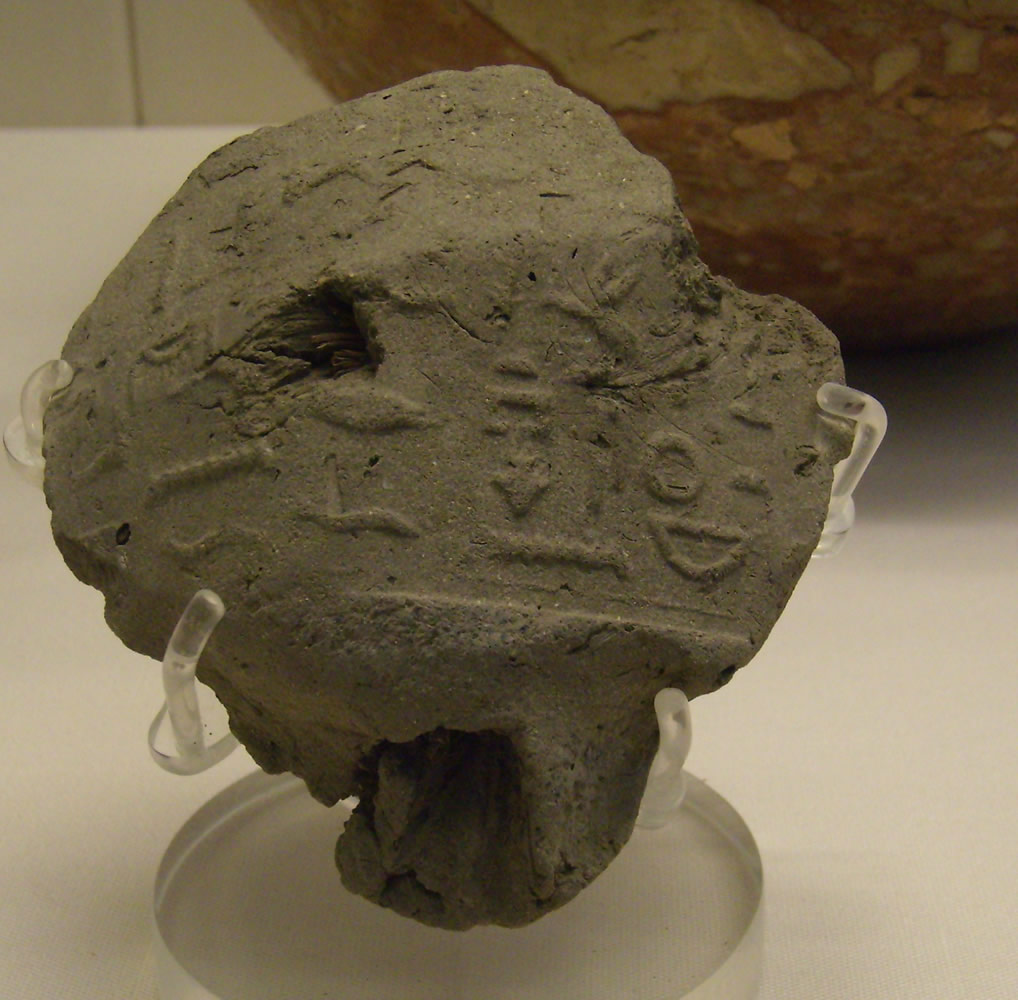
- Egyptian — the ancient Egyptian language, later Coptic, now mainly liturgical.
- Omotic — a group found primarily in southwestern Ethiopia; its exact position within Afroasiatic has been debated.
- Semitic — originally centered in the Near East; includes Arabic, Hebrew and Aramaic varieties.
Features and historical development
Many Afroasiatic languages share structural traits that point to a common ancestry: a tendency for consonant-centered lexical roots, grammatical gender, and systems of derivation and inflection that use prefixes, suffixes or internal changes. These patterns are especially visible in the Semitic branch, where root-and-pattern morphology is well documented. Comparative work aims to reconstruct features of a Proto-Afroasiatic language, but both the homeland and the precise time depth of the family remain subjects of scholarly discussion. Regional dispersal patterns link the family to long histories of population movement, trade and cultural exchange across North Africa, the Horn and the Near East (West Asia, North Africa, Horn of Africa, the Sahel).
Writing traditions and legacy
Afroasiatic languages are associated with some of the world’s earliest writing systems and literatures. Ancient Egyptian used hieroglyphs and later scripts that record millennia of history; Semitic languages appear in early cuneiform and alphabetic inscriptions; Geʽez (classical Ethiopic) developed into a distinctive script for Cushitic and Semitic languages of Ethiopia; and Arabic script now records many modern varieties. Berber has seen revival in Latin and Tifinagh scripts, while Coptic survives in church contexts. These traditions are central to the family’s cultural impact and to the study of historical linguistics.
Modern distribution, importance and controversies
Today Afroasiatic languages serve as national languages, regional lingua francas and vehicles of religion and culture. Arabic’s large speaker base influences politics, media and religion across many countries; Hausa functions as a major trade and broadcast language in parts of West Africa; Amharic and Oromo are central to Ethiopian public life; Berber languages are the focus of revitalization efforts in North Africa; and Coptic remains important in liturgy. Linguists continue to debate internal classifications and the status of some groups (notably Omotic), while ongoing fieldwork, orthography development and language policy shape how these languages evolve and are maintained. For language counts, speaker estimates and further reading see specialized surveys and language databases (demographic references, general resources).
Useful entry points for learning more include comparative grammars, regional language surveys and historical studies of written records — many of which can be found through academic and language documentation projects (North African studies, Horn of Africa research, Chadic language work).
Tags
Related articles
Author
AlegsaOnline.com Afroasiatic languages: overview, branches, history and modern role Leandro Alegsa
URL: https://en.alegsaonline.com/art/1292
Sources
- books.google.com : African Foreign Policy and Diplomacy from Antiquity to the 21st Century