
Egyptian language: history, writing, and legacy
Overview of the Egyptian language: classification, chronological stages from Old Egyptian to Coptic, scripts and decipherment, grammar and phonology, liturgical use and influence on later Egyptian speech.
Overview
The Egyptian language is an ancient member of the Afroasiatic family and was the principal language of the Nile Valley for millennia. Its extensive written record connects the languages of the pharaonic period with the later Coptic vernacular and liturgical idiom. Scholars place Egyptian within the broader Afroasiatic grouping (Afroasiatic) and associate it most closely with the cultures of Ancient Egypt. Over time the language changed in phonology, morphology and vocabulary, producing a recognizable sequence of stages that culminated in Coptic (Coptic language), which survives in religious use among the Copts.
Image gallery
3 Images

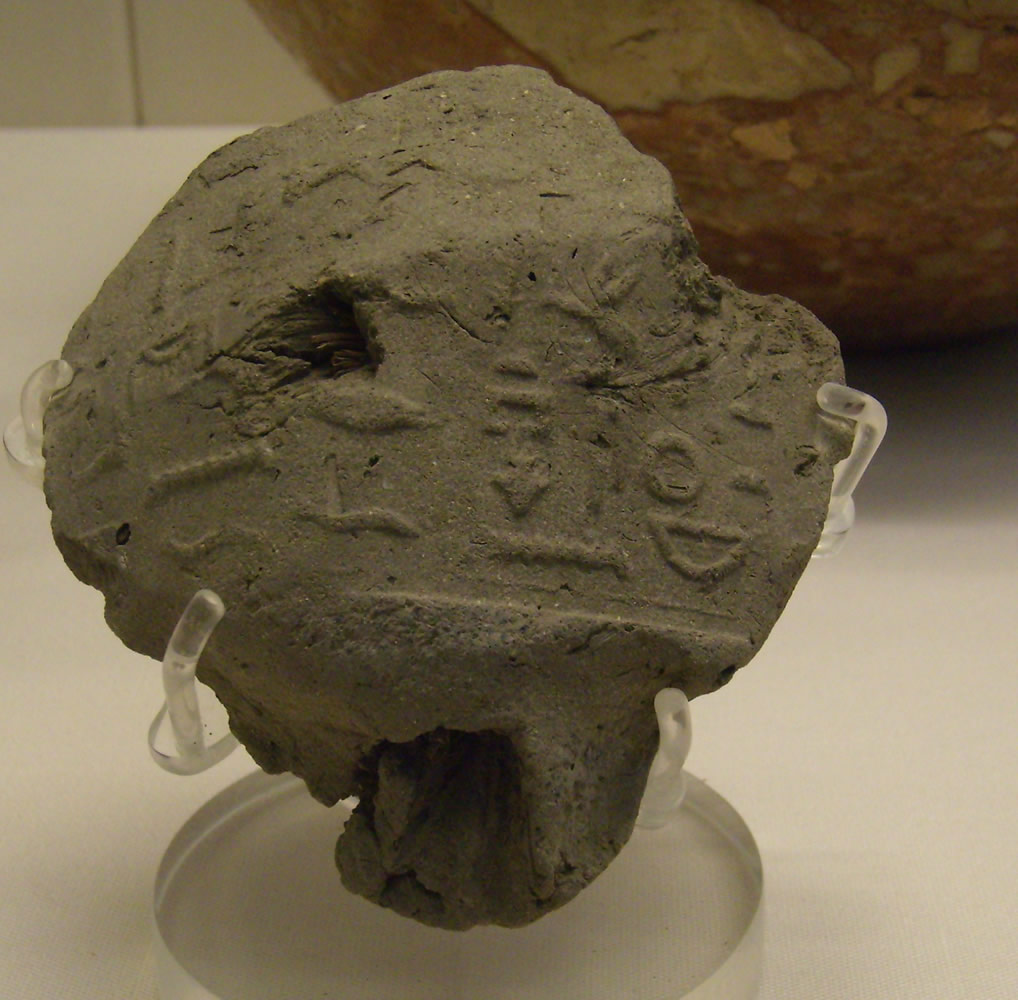
Chronological stages and scripts
Egyptian is conventionally divided into stages: Old Egyptian (texts of the Early and Old Kingdoms), Middle Egyptian (the classical written standard), Late Egyptian (New Kingdom and afterwards), Demotic (a late cursive script and stage), and Coptic (an alphabetic stage influenced by Greek). Writing systems evolved from pictorial hieroglyphs used in monumental contexts to the more cursive hieratic used on papyri and ostraca, then to demotic cursive shorthand. The Coptic alphabet adapts the Greek script with several additions from demotic signs to represent sounds not found in Greek.
Writing materials and textual genres
Surviving Egyptian texts appear on stone monuments, tomb walls, papyrus rolls, wooden tablets and pottery fragments (ostraca). These preserve a wide range of genres: administrative documents, temple inscriptions, funerary texts, legal contracts, private letters, scientific and medical texts, and literary compositions. Because of this diversity, Egyptian provides rich evidence for social, religious and economic life across many centuries.
Decipherment and modern study
The recovery of Egyptian as a readable language depended on key discoveries and comparative methods. The Rosetta Stone, found in 1799, contains parallel inscriptions in Greek and Egyptian scripts; the Greek text provided a known point of reference. Work by several scholars culminated in the early 19th century with the breakthrough by Jean-François Champollion, who identified correspondences between the scripts and related signs to sounds and words. The decipherment allowed older inscriptions to be read and opened systematic study of grammar, vocabulary and history.
Grammar and phonology
Egyptian shows characteristics typical of Afroasiatic languages, such as root-and-pattern morphology, gender distinction, and verbal systems marked by prefixes and suffixes. Many details of pronunciation must be reconstructed from Coptic, transcriptions into other languages, and internal evidence; Coptic preserves enough phonetic detail to inform reconstructions of earlier stages. Grammatical change across the stages includes shifts in verb forms, the development of new pronominal forms, and the loss or reanalysis of certain inflectional patterns.
Coptic: the late stage and liturgical survival
Coptic represents the final historic stage of Egyptian, written with an alphabet derived largely from Greek with some demotic characters. It became the language of Christian communities in Egypt and remains the liturgical language of the Coptic Orthodox and Coptic Catholic churches. While fluency among lay communities declined after the medieval period, Coptic texts preserve many native words, idioms and grammatical features that bridge ancient and modern phases and are used for religious rites.
Historical decline and modern context
Egyptian in its spoken forms continued into the first millennium AD, but the everyday language of most Egyptians shifted following the Hellenistic, Roman and especially the Arab conquests. With the spread of Arabic the vernacular gradually transformed, producing what is known today as Egyptian Arabic. In the modern state, Arabic serves official and literary functions while the colloquial Egyptian dialect is widely spoken; questions of language policy and national identity are often discussed in relation to the national language and education policy.
Legacy and influence
- Religious continuity: Coptic remains central to Christian worship and preserves a direct link to earlier linguistic stages.
- Historical source: Egyptian texts are primary evidence for ancient religion, law, administration and daily life and are essential to Egyptology.
- Linguistic importance: Data from Egyptian informs comparative studies of Afroasiatic languages and the study of language change in writing systems.
Study and resources
Egyptian is studied by specialists in Egyptology, papyrology and historical linguistics. Many museums and academic institutions hold collections of texts and inscriptions; published editions, grammars and digital corpora support learning and research. For those interested in continuity between ancient and modern Egypt, Coptic liturgical practice and surviving loanwords link the ancient tongue to life in contemporary Egypt.
Questions and answers
Q: What is the Egyptian language?
A: The Egyptian language was an Afroasiatic language that was spoken in Ancient Egypt.
Q: How old is the written record of the Egyptian language?
A: The written record of the Egyptian language is 5000 years old, making it one of the oldest written languages known today.
Q: What is the modern form of the Egyptian language?
A: The modern form of the Egyptian language is the Coptic language.
Q: Who uses the Coptic language for religious purposes?
A: The Copts use the Coptic language for religious purposes.
Q: How many people are still fluent in Coptic?
A: Only a few people are still fluent in Coptic.
Q: When was the Rosetta stone found and what does it contain?
A: The Rosetta stone was found in 1799 and it contains the same text in three languages, one of which was known at the time.
Q: What is the national language of modern-day Egypt?
A: The national language of modern-day Egypt is Egyptian Arabic, which replaced Coptic as the language of daily life in the centuries after the Muslim conquest of Egypt.
Related articles
Author
AlegsaOnline.com Egyptian language: history, writing, and legacy Leandro Alegsa
URL: https://en.alegsaonline.com/art/30414
Sources
- query.nytimes.com : "Inscriptions Suggest Egyptians Could Have Been First to Write" · web.archive.org
- archaeology.org : "Earliest Egyptian Glyphs"