
Language family (linguistic classification)
A language family groups languages that descend from a common ancestor. Overview of classification methods, typical characteristics, examples (e.g. Romance), isolates and constructed languages, and why families matter.
A language family is a set of languages that are demonstrably related because they descend from a shared ancestral language. Members of a family typically show systematic similarities in vocabulary, sound patterns and grammar that point back to a common source rather than to accidental resemblance or borrowing. Linguists use these regular correspondences to reconstruct earlier stages of languages and to place modern tongues into a tree-like structure of related varieties.
Image gallery
10 Images


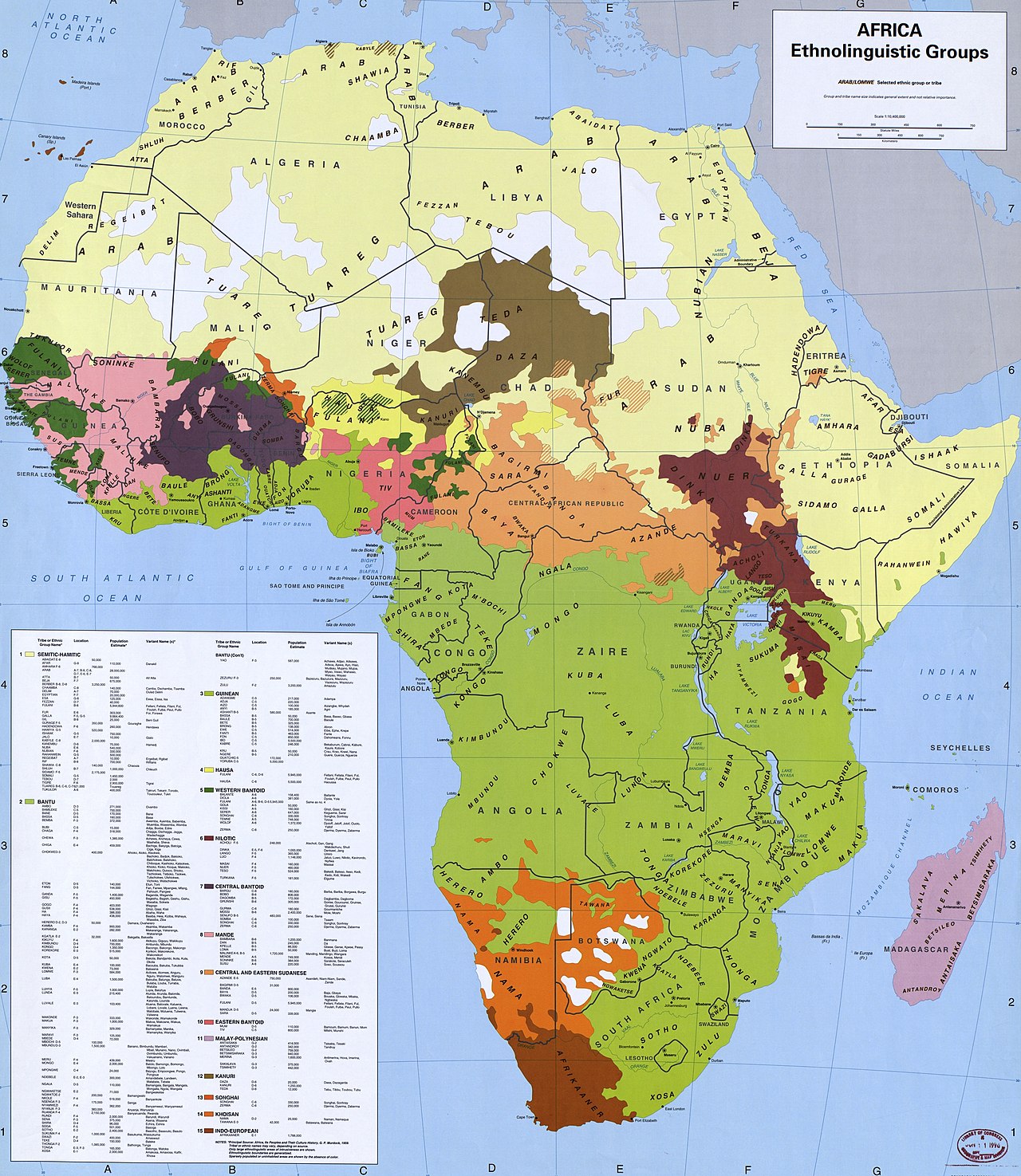


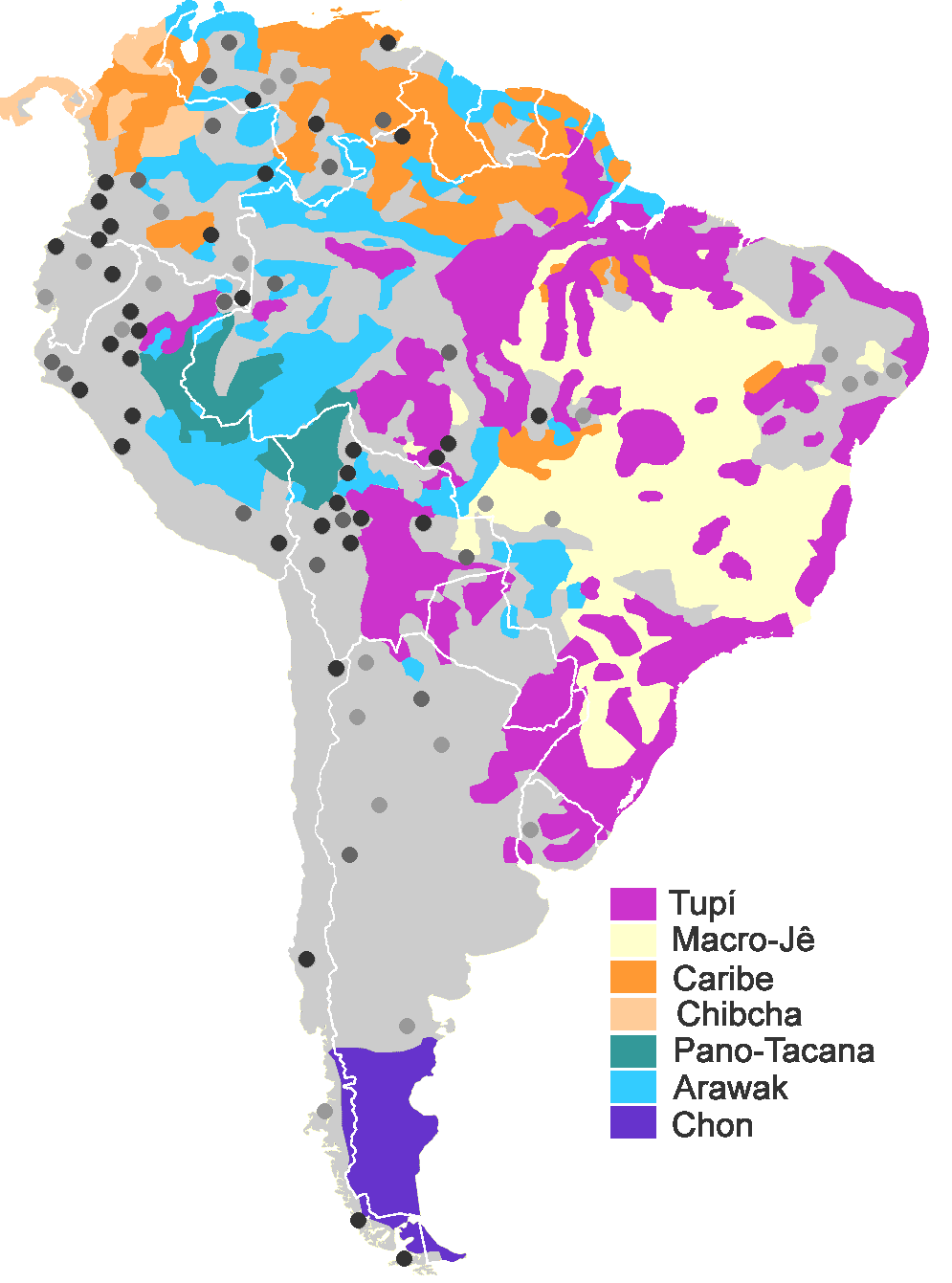
How linguists identify families
Classification rests on systematic evidence rather than casual similarity. The principal tool is the comparative method, which establishes regular sound correspondences and shared morphological features between languages; see comparative method for a basic introduction. Shared basic vocabulary and identical irregular forms are especially persuasive because they are less likely to be borrowed. Scholars also consider syntax and morphological systems, and they distinguish inherited resemblances from areal influence (languages adopting features through contact).
Typical characteristics and classification units
- Proto-language: a reconstructed common ancestor from which members of the family derive.
- Branches and subfamilies: families are often divided into major branches (for example, the Romance branch of the larger Indo-European family).
- Sound correspondences: regular phonological changes that map sounds in one language to sounds in its relatives.
- Shared morphology: common patterns in word formation, verb conjugation or case marking.
For illustration, modern French and Spanish are both members of the Romance branch because they descend from the Latin spoken in ancient Rome; they now differ in pronunciation and vocabulary but retain clear historical links. See examples such as French and Spanish for commonly cited pairs within the same branch.
Families vary in scope. Some group dozens or hundreds of languages into well-established genealogies; others remain controversial or poorly attested because of limited data. Beyond genetic relationship, linguists note important distinctions such as dialect continua (where neighbouring varieties are mutually intelligible) and linguistic areas (sprachbunds) where unrelated languages share features through long contact.
History, isolates and constructed languages
Over time, populations split and their speech diverges, producing new languages that still bear traces of their ancestor. Not all languages fit easily into a family: a language isolate shows no convincing genealogical ties to other languages despite investigation. Well-known examples of isolates include Basque and Ainu; in technical discussions these are often referenced under the broader topic of language isolates.
Separate from natural genealogies are constructed languages: deliberately created systems designed for international communication, artistic purposes or experimentation. Constructed languages can imitate features of real families or introduce novel patterns; notable examples and projects are discussed under constructed languages, and the best-known planned international language is Esperanto.
Why the concept matters
Understanding language families is important for several fields: historical linguistics reconstructs past stages of languages and human prehistory; anthropology and archaeology use linguistic evidence to infer migration and contact; and language policy and education draw on genealogical relationships when planning materials and comparative studies. Recognizing families helps clarify why languages differ and how they change, while also revealing long-term links among the world's speech communities.
For further reading and introductory resources, follow general survey entries and linguistics primers indexed under the comparative method and family classification; related resources are available via comparative method and introductory overviews on language types and histories.
Questions and answers
Q: What are language families?
A: Language families are groups of languages that are related to each other because they come from a common older language.
Q: How are languages within a language family similar?
A: Languages within a language family are similar in their vocabulary or structure.
Q: Give an example of two languages that come from the same language family.
A: French and Spanish both come from Latin.
Q: Why are French and Spanish considered different languages?
A: French and Spanish are considered different languages because most words are said a little differently in each language.
Q: What are language isolates?
A: Language isolates are languages that do not belong to a language family.
Q: What are constructed languages?
A: Constructed languages are languages that are made for different reasons, such as making a 'world language', for fun, for use in fiction, etc.
Q: Can constructed languages belong to a language family?
A: No, constructed languages cannot belong to a language family because they are artificially created and not developed from a common older language.
Related articles
Author
AlegsaOnline.com Language family (linguistic classification) Leandro Alegsa
URL: https://en.alegsaonline.com/art/55905