
Nicolae Ceaușescu
Romanian Communist leader (1918–1989) who governed from 1965 until his overthrow in the 1989 revolution; remembered for a personality cult, repressive domestic policies and a violent, contested end.
Overview
Nicolae Ceaușescu (26 January 1918 – 25 December 1989) was the chief political figure in Romania from 1965 until his fall in December 1989. Initially rising within the Romanian Communist Party, he consolidated power and eventually held the state’s top offices for more than two decades. His rule combined nationalistic rhetoric, centralized economic planning and an extensive security apparatus. Ceaușescu and his wife, Elena Ceaușescu, became symbols of the regime’s elite and of its personalization of power.
Image gallery
10 Images




Characteristics of his rule
Ceaușescu’s government displayed several distinguishing features that shaped Romanian life and politics:
- Personality cult: Extensive propaganda promoted the leaders as indispensable figures in Romania’s modernization drive.
- Repressive security forces: The Securitate monitored dissent, limiting political freedoms and controlling society.
- Economic policies: Rapid industrialization and heavy borrowing in earlier years were later followed by drastic austerity aimed at repaying foreign debt.
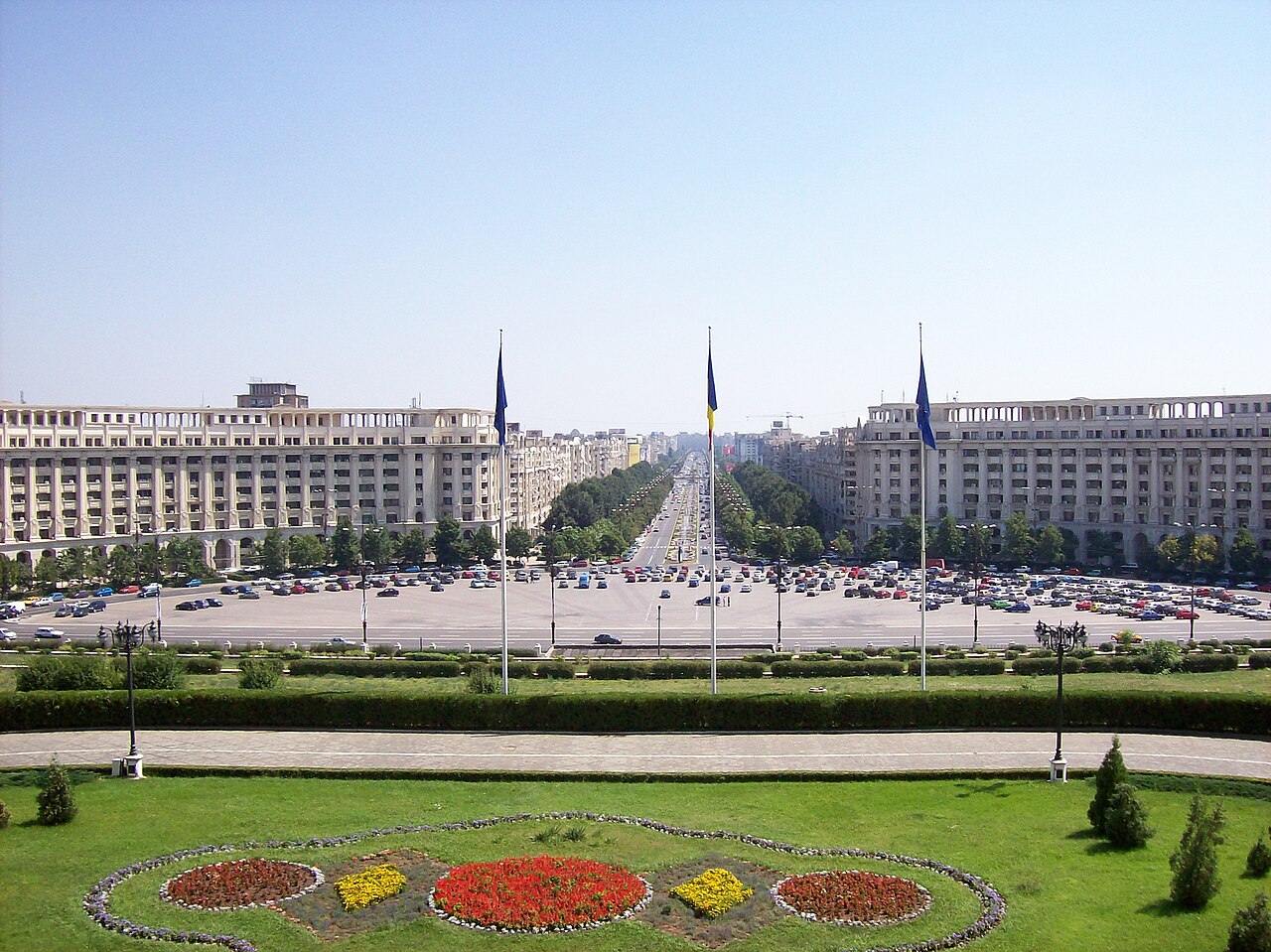
- Systematization: Urban and rural planning programs led to demolition of historic neighborhoods and forced relocations.
Observers also note that Ceaușescu pursued an assertive foreign policy occasionally at odds with the Soviet Union, which initially won him international attention and domestic legitimacy.
History and political development
Ceaușescu’s ascent reflected the post‑World War II consolidation of communist parties across the region. After the war and the emergence of the Eastern Bloc, communist leaders took control of states in Central and Eastern Europe. The broader Cold War context — including events such as the Cold War standoff, the Korean War and the legacy of World War II in Europe and Asia — shaped international alignments and domestic security practices. Within this environment, Ceaușescu became Romania’s top leader in 1965 and later assumed the formal head-of-state title, directing both party and government policy.
Downfall and death
Widespread dissatisfaction with repression, shortages and impoverishing austerity culminated in mass protests during the revolutions of 1989 that swept much of the region. Arrested after a rapid show trial, Ceaușescu and Elena were convicted by a military tribunal and executed by a firing squad on 25 December 1989. The summary trial and execution remain controversial in accounts of the period; they were part of the turbulent end of communist rule in Eastern Europe and are often discussed in relation to charges such as crimes against humanity and genocide levied by critics of the regime. The execution was widely publicized and marked a definitive break with the previous era.
Legacy and significance
Ceaușescu’s legacy is contested. Critics emphasize human rights abuses, the role of the secret police, economic mismanagement and the suffering caused by forced relocations and shortages. Supporters or some analysts note Romania’s industrialization and a degree of independence from Moscow during parts of his tenure. The collapse of his regime coincided with the weakening of Soviet control under leaders such as Mikhail Gorbachev and broader shifts across the Soviet sphere.
Contextual references
Understanding Ceaușescu also involves placing Romania among neighboring states and Cold War players: the postwar defeat of Nazi Germany and the Axis powers including Romania and Japan, the creation of Soviet‑aligned regimes in countries like East Germany, the Polish People's Republic and the Czechoslovak Socialist Republic, and the broader transformation of states such as Poland, Hungary and Bulgaria. Debates about the era also invoke earlier Soviet leaders like Joseph Stalin and later figures, including Leonid Brezhnev. The security and intelligence services that served regimes in the region are often associated with organizations such as the KGB and their cadres or officers in related services. Other states sometimes cited in comparative discussions include North Korea.
For general reference to Romania’s institutions and the events of 1989, readers can consult available archives and analyses that cover the presidency and governmental structure (office), the manner of execution (firing squad), the trials and charges, and the broader political transformations that reshaped Europe at the end of the 20th century (Eastern Europe). Additional contextual materials are accessible through historical repositories and retrospective studies (United States and Soviet Union), policy reviews and documentary accounts (WWII Europe) and analyses of regional communist consolidation (postwar transformations).
(This article uses link placeholders for reference: LINK_1, LINK_2, LINK_3, LINK_4, LINK_5, LINK_6, LINK_7, LINK_8, LINK_9, LINK_10, LINK_11, LINK_12, LINK_13, LINK_14, LINK_15, LINK_16, LINK_17, LINK_18, LINK_19, LINK_20, LINK_21, LINK_22, LINK_23, LINK_24, LINK_25, LINK_26, LINK_27, LINK_28, LINK_29, LINK_30, LINK_31.)
Author
AlegsaOnline.com Nicolae Ceaușescu Leandro Alegsa
URL: https://en.alegsaonline.com/art/127611