
Leonid Brezhnev: Soviet leader and architect of the Era of Stagnation
Overview of Leonid I. Brezhnev (1906–1982), his rise to power in the Soviet Union, domestic and foreign policies, the Brezhnev era’s characteristics, and his historical legacy.
Leonid Ilyich Brezhnev (1906–1982) was a prominent Soviet statesman who led the Communist Party of the Soviet Union from 1964 until his death in 1982. During that period he served as the country’s most powerful official and presided over a long phase of political stability and economic slowdown. His leadership is associated with a cautious return to centralized control after the reforms of the previous decade and with an emphasis on military strength and international influence. Many accounts discuss his role as a Soviet leader and debate the balance between order and stagnation that marked his tenure.
Image gallery
10 Images


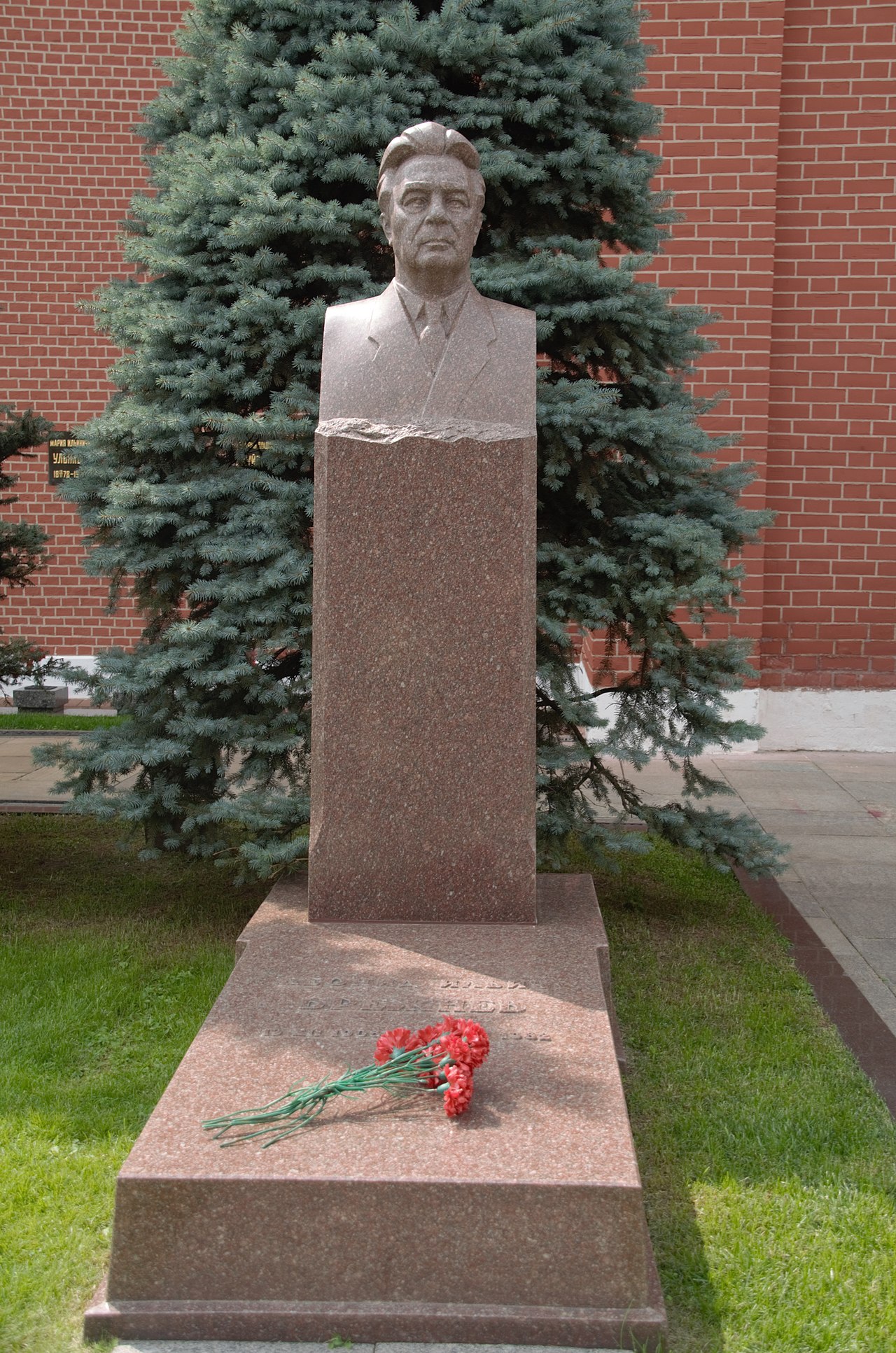


Early life and rise
Born into a working-class family in 1906, Brezhnev trained and worked as an industrial worker and later as a supervisor in heavy industry before devoting himself to full-time party work. He joined the Communist Party and rose through regional and central party structures. During World War II he served as a political officer, a role that involved political education and morale as well as party oversight of military units. His wartime and postwar roles brought him into contact with influential figures including Nikita Khrushchev and other senior officials. After steady promotion within the party apparatus he became the top party official in Moscow and, following a leadership change in 1964, he assumed the lead position in the national party organization.
Style of rule and domestic politics
Brezhnev’s approach contrasted with the reformist impulses that preceded him. He distanced himself from aggressive de-Stalinization and prioritized predictability and collective decision-making within the Politburo. Over time power concentrated in a narrow senior cohort, producing what observers termed a gerontocratic leadership. His period is often characterized as one of consolidation rather than change: ministries and managers were expected to deliver quotas, and political dissent was generally suppressed. The party retained prominent control over appointments and policy directions.
Economy, society, and the ‘stagnation’ label
Economic policy under Brezhnev emphasized heavy industry and defense allocations at the expense of consumer sectors. The Soviet economy continued to devote large resources to military spending and strategic manufacturing, drawing on the country’s natural and industrial resources. As investment in defense and arms systems absorbed capital and skilled labor, production of civilian goods lagged and shortages of consumer goods became more common. Many historians and economists describe the outcome as a chronic slowdown—often called the Brezhnev stagnation—with limited productivity growth and an erosion in the standard of living for some segments of the population.
Foreign policy and international actions
On the global stage, Brezhnev pursued a mix of détente with Western powers and assertive moves to preserve Soviet influence. His government negotiated arms control agreements and participated in diplomatic efforts to reduce tensions with the United States and its allies, even as it supported client states and intervened militarily to maintain socialist governments. The leadership invoked the principle that the Soviet Union could act to protect communist rule in its sphere, a stance that produced interventions and tense episodes abroad. His foreign policy combined negotiation with displays of strength, reflecting the dual priorities of security and status.
Notable events and legacy
- Brezhnev’s long tenure established a predictable but aging leadership elite and an emphasis on state order over reform.
- His rule saw sustained military emphasis and large-scale foreign policy initiatives intended to secure Soviet interests.
- Economic outcomes during this era prompted later leaders to argue for structural reform in the 1980s, after Brezhnev’s death.
Brezhnev remained an influential figure until his death in November 1982. He left a mixed legacy: some remember a period of stability and international relevance, while others point to the long-term costs of underinvestment in innovation and consumer needs. His life and rule continue to be studied as a central chapter in twentieth-century Soviet history and as a case study in the trade-offs between political continuity, economic performance, and social welfare.
For more focused inquiries, consult specialized biographies and archival research on Brezhnev’s policies, or follow introductory resources on the Soviet Union, the mechanics of personal power, and the leadership of Joseph Stalin for earlier context.
Questions and answers
Q: Who was Leonid Brezhnev?
A: Leonid Brezhnev was a leader of the Soviet Union from 1964 to 1982, serving as the First Secretary of the Communist Party of the Soviet Union.
Q: What was Brezhnev's role during World War II?
A: During World War II, Brezhnev was a Political Commissar, supervising various military units.
Q: Who was Nikita Khrushchev?
A: Nikita Khrushchev was the leader of the Soviet Union before Brezhnev.
Q: Did Brezhnev agree with Khrushchev's policies of reform?
A: No, Brezhnev did not agree with Khrushchev's policies of destalinization and did not support reform.
Q: What was the state of the Soviet economy under Brezhnev?
A: Under Brezhnev, the Soviet economy mostly consisted of military spending and the standard of living began to fall.
Q: Why were consumer wants ignored under Brezhnev's leadership?
A: Consumer wants were ignored because the country's resources were going to the armed forces, as they had under Joseph Stalin in wartime.
Q: How did Brezhnev die?
A: Brezhnev died of a heart attack on November 10, 1982.
Related articles
Author
AlegsaOnline.com Leonid Brezhnev: Soviet leader and architect of the Era of Stagnation Leandro Alegsa
URL: https://en.alegsaonline.com/art/57229