
Joseph Stalin (1878–1953)
Soviet political leader who governed the USSR from the 1920s until 1953, overseeing rapid industrialization, collectivization, wartime leadership, and a regime marked by repression and geopolitical transformation.
Overview
Joseph Vissarionovich Stalin, born Ioseb Besarionis dze Jughashvili in 1878, rose from provincial origins to lead the Soviet state until his death in 1953. He served as the central figure of the Communist Party and Soviet government, shaping policy, ideology and institutions. His tenure combined rapid industrial and military modernization with authoritarian rule; historians commonly identify his interpretation of party-led socialism as Marxism-Leninism in practice and the political system he built as Stalinism.
Image gallery
10 Images

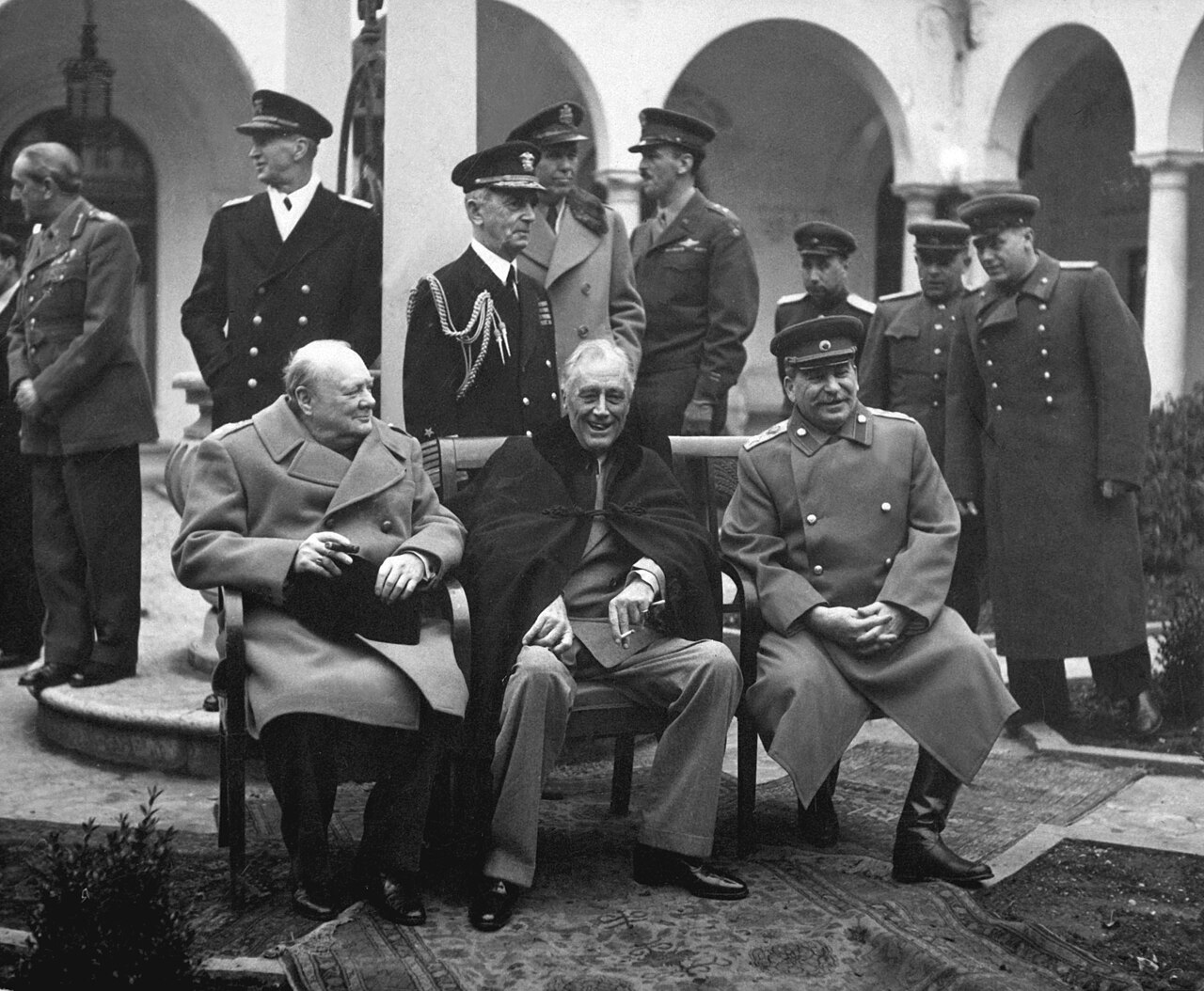


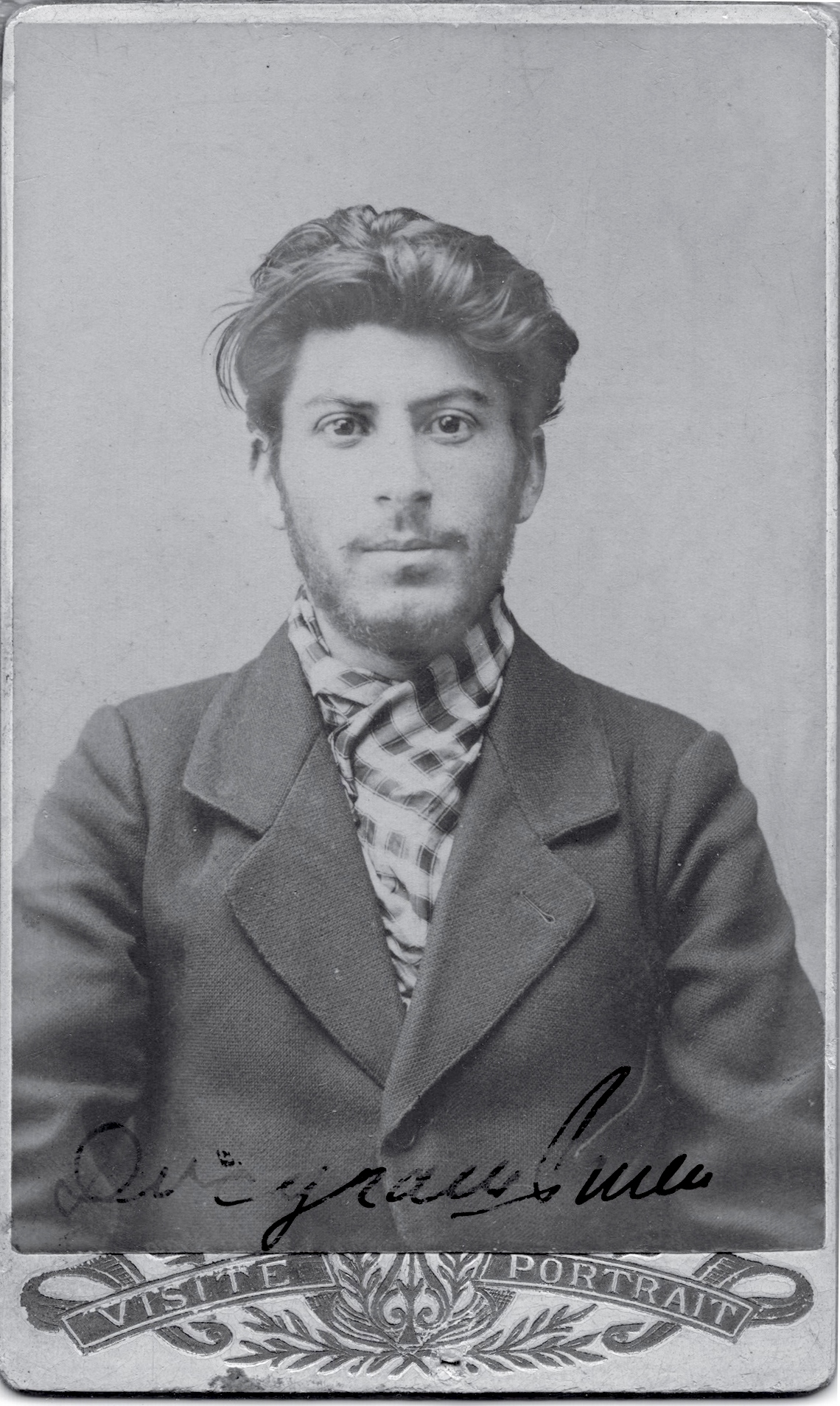


Early life and rise to power
Born in what was then the Russian Empire and is now Georgia, Stalin began political activity as a revolutionary and joined the Bolshevik wing of the Russian Social Democratic movement. Sources note his Georgian background with the label Georgian name and the commonly used Russian form of his name. After the 1917 revolution he held key party posts and by the 1920s, following the death of Vladimir Lenin, consolidated control through party appointments, bureaucratic management and the suppression of rivals.
Policies, economy and society
Stalin's domestic program prioritized state-directed industrialization and agricultural collectivization. Centralized planning and a sequence of multi-year plans aimed to transform the Soviet Union into a heavy-industry power. These policies produced significant growth in factories, railways and military capacity, but also caused social disruption, resistance, and famine in some regions. Key elements included:
- Forced collectivization of peasant agriculture and consolidation of farms.
- Centralized Five-Year Plans to expand heavy industry and infrastructure.
- Expansion of the security apparatus, political trials and systems of imprisonment.
Repression and political purges
The 1930s saw large-scale campaigns against perceived opponents within the party, the military and wider society. Known collectively as the purges, these actions combined show trials, executions, deportations and the growth of penal labor camps. The repression was presented as defense of the revolution but had profound human and institutional costs and is a central aspect of assessments of Stalin's rule.
World War II and foreign policy
On the international stage, Stalin negotiated tactical arrangements and directed wartime strategy. In 1939 the Soviet government moved into parts of eastern Europe and signed a non-aggression pact with Nazi Germany that included secret protocols; the pact preceded the wider conflict of World War II. German forces invaded the Soviet Union in 1941 in Operation Barbarossa, after which the USSR fought a brutal and pivotal eastern campaign. By the war's end the Soviet Union had installed or influenced governments across Eastern Europe and occupied large parts of Germany, contributing to its emergence as a Cold War superpower. Leaders such as Adolf Hitler were central opponents during that conflict.
Legacy and historical debate
Assessments of Stalin remain sharply divided. Supporters point to industrial transformation, victory in war and the creation of a centralized state capable of rapid mobilization. Critics emphasize the scale of repression, human suffering, restrictions on pluralism and the costs of forced policies. His death in 1953 ended an era but left institutions and international arrangements that shaped global politics for decades.
For further reading on specific topics—biography, the purges, wartime strategy, and the postwar order—consult specialized histories and archival collections linked by topic in scholarly bibliographies and online resources.
Georgian-born politician | Soviet Union | Eastern Europe overview | Lenin and succession
Questions and answers
Q: Who was Joseph Vissarionovich Stalin?
A: Joseph Vissarionovich Stalin was a Georgian politician who became leader of the Soviet Union from 1922 until his death in 1953.
Q: What replaced Vladimir Lenin as leader of the Soviet Union?
A: Stalin replaced Vladimir Lenin as leader of the Soviet Union.
Q: What type of government did Stalin create?
A: Stalin created a form of government later called Stalinism.
Q: When did he invade Poland?
A: He invaded Poland on 18 September 1939.
Q: How did he respond to Germany's invasion of the Soviet Union?
A: He led a bloody war against Germany known as Operation Barbarossa after they invaded the Soviet Union.
Q: What happened after World War II ended?
A: After World War II ended, Stalin gained control of all Eastern Europe including part of Germany and set up a series of loyal Marxist-Leninist single-party states, extending his power and determining the Soviet Union's position as a superpower.
Q: What was his way of thinking called?
A: His way of thinking was called Marxism-Leninism.
Related articles
Author
AlegsaOnline.com Joseph Stalin (1878–1953) Leandro Alegsa
URL: https://en.alegsaonline.com/art/122944
Sources
- Joseph Stalin
- bbc.co.uk : "Joseph Stalin (1879 - 1953)"
- pbs.org : "Biography: Joseph Stalin"
- stel.ru : "Joseph Stalin. Biography of the great Russian Communist Leader. 1879-1904"
- stel.ru : "Stalin, Joseph. Biography and photos"
- marxists.org : "CPGB: Stalin: Slander and Truth"
- english.pravda.ru : "Secret documents reveal Stalin was poisoned"
- marxists.org : "CPGB: Tribute to Stalin"
- news.com.au : "Dictator Josef Stalin third most popular Russian figure"
- foreignaffairs.com : "Failing the Stalin Test"
- independent.co.uk : "The Big Question: Why is Stalin still popular in Russia, despite the brutality of his regime?"