
Firing squad: method, history, procedure, and modern practice
A firing squad is a method of execution involving multiple shooters. This article explains how it works, historical and military use, legal status today, procedural variations, and ethical considerations.
Overview
A firing squad is a form of capital punishment in which a group of shooters discharges firearms at a condemned person with the intent to cause death. The condemned individual is commonly restrained and sometimes blindfolded; members of the squad are typically selected to carry out the sentence. Historically the practice has been associated with military discipline and battlefield justice, though it has also been used in civilian criminal systems as a method of execution. The person targeted by the squad is often described more formally as the convicted person.
Image gallery
10 Images
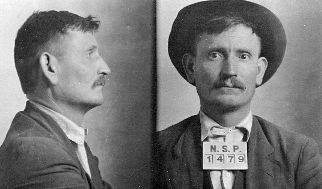


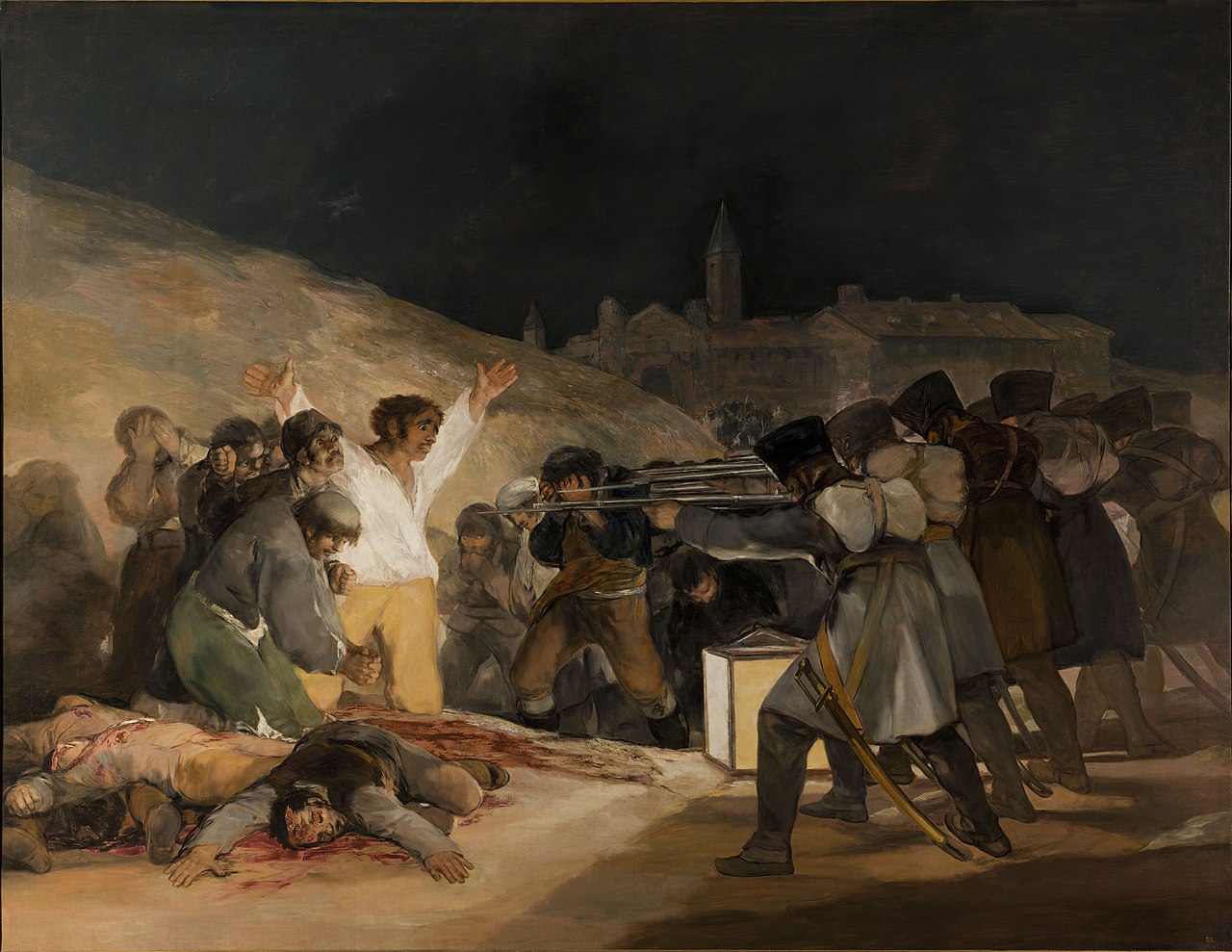
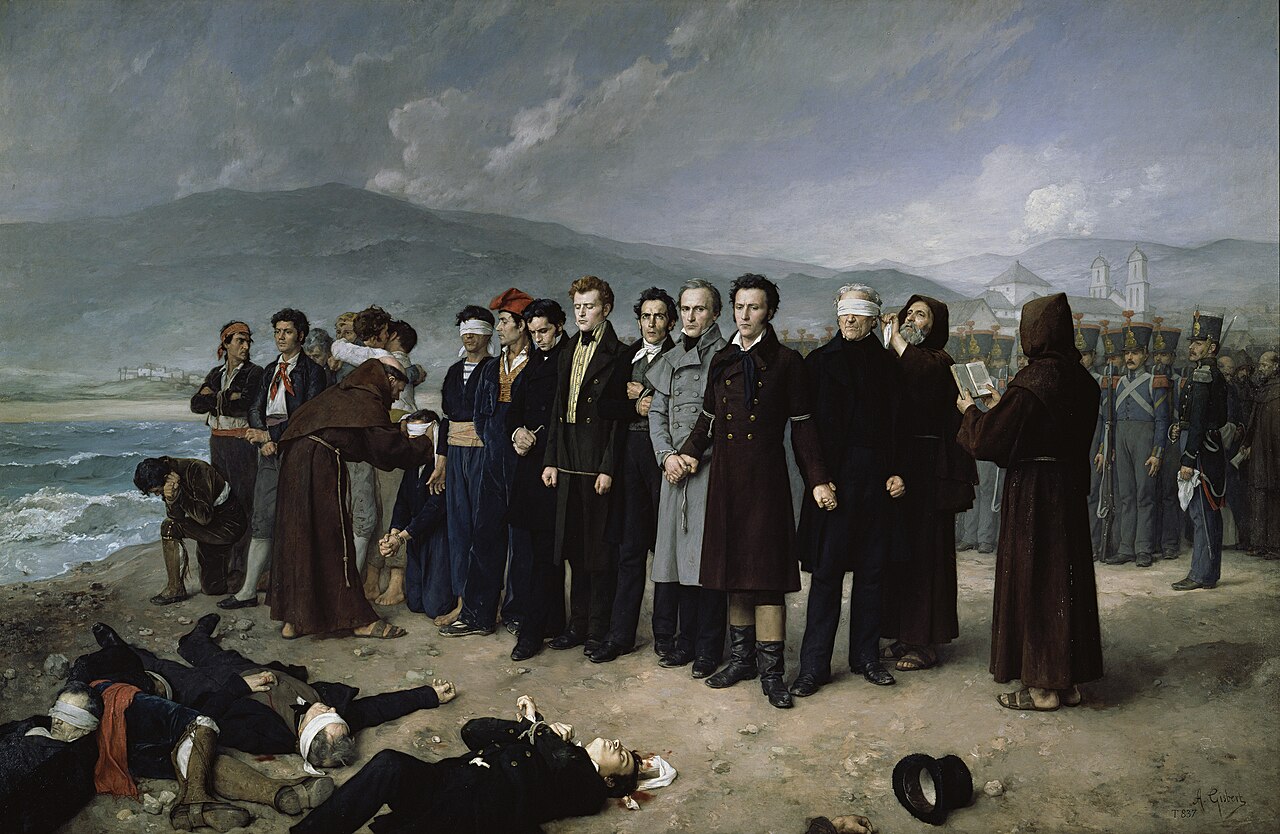

Procedure and variations
Procedures vary by jurisdiction and era. Typical elements include the positioning of the condemned on a chair or stake, a designated distance for shooters, the distribution of rifles or pistols among squad members, and the use of a commanding officer to give orders. Some common variations are:
- Blindfolding or covering the eyes of the condemned to reduce distress.
- Providing one or more squad members with non-lethal cartridges so responsibility is psychologically diffused.
- Firing at the chest to quickly cause fatal damage to vital organs; in some cases volley fire is used to ensure death.
- Use of military personnel versus civilian executioners depending on law and custom.
History and military use
Firing squads have a long association with armed forces as a means of enforcing discipline for offenses such as desertion, mutiny, cowardice, or espionage. Because firearms were pervasive in military life, execution by shooting was a practical choice for commanders. In many nations the practice also migrated into civilian judicial systems, particularly where firearms were the standard instrument of execution before the widespread adoption of alternatives.
Legal status and contemporary practice
In the modern era many countries have abolished capital punishment entirely or moved to methods perceived as more clinical, such as lethal injection. Some jurisdictions that once used firing squads have replaced them with other methods. For example, jurisdictions in the United States have varied historically in their permitted methods; the state of Utah is often cited for its historic use of firing squads alongside other methods. At the same time, a number of states and countries have retained firing squads in law or practice, and nations such as Indonesia and the United Arab Emirates have used shooting in recent decades.
Ethical, legal, and practical issues
Debate about firing squads centers on humaneness, dignity, deterrence, and legal standards for cruel and unusual punishment. Advocates argue that, when properly conducted, a shooting can be quick and reliable; critics maintain that it is inherently violent, risks botched procedures, and places heavy psychological burdens on executioners. Legal challenges in various jurisdictions have examined whether shooting meets constitutional or human-rights norms for methods of execution.
Notable distinctions and facts
- Firing squads have historically been more common in military contexts than in civilian courts, although exceptions exist.
- Some protocols attempt to reduce moral culpability for shooters (for example, by issuing blank rounds to some members) though this practice is not universal.
- Changes in public opinion, international human-rights standards, and availability of methods have reduced the prevalence of firing squads worldwide.
- Legal status and practice can vary widely between regions and over time; any discussion of current use should reference up-to-date local sources.
For further information on legal frameworks, historical cases, and procedural rules, consult national statutes, military regulations, and human-rights reports via reputable sources and databases.
Questions and answers
Q: What is a firing squad?
A: A firing squad is a group of people with guns who shoot and kill a criminal who has been sentenced to death penalty.
Q: Why is the person being shot often blindfolded during a firing squad execution?
A: The person being shot is often blindfolded during a firing squad execution.
Q: Has the firing squad method of execution been used in the military?
A: Yes, the firing squad method of execution has often been used in the military for crimes such as desertion and cowardice.
Q: Do many countries still use firing squads as a method of execution?
A: No, few countries use firing squads anymore. Many countries have either stopped using the death penalty or switched to using lethal injection.
Q: Did the state of Utah formerly use firing squads for capital punishment?
A: Yes, the state of Utah formerly used firing squads for capital punishment.
Q: What method of execution is currently used by the state of Utah?
A: The state of Utah now uses lethal injection.
Q: Are there still countries that use firing squads today?
A: Yes, as of 2014, 73 countries still use execution by firing squad, and is the sole method of execution in 45 different countries. Some countries, such as Indonesia and the United Arab Emirates, still use firing squads.
Related articles
Author
AlegsaOnline.com Firing squad: method, history, procedure, and modern practice Leandro Alegsa
URL: https://en.alegsaonline.com/art/34501