
Irgun (National Military Organization in the Land of Israel)
Irgun was a Revisionist Zionist paramilitary organization active in Mandatory Palestine (1931–1948), known for armed struggle against British rule and campaigns that remain controversial in Israeli and Palestinian histories.
Overview
The Irgun, formally Irgun Zevai Leumi and sometimes called by its Hebrew name הארגון הצבאי הלאומי, was a Jewish underground organization active in Mandatory Palestine from 1931 until the establishment of the State of Israel in 1948. Rooted in Revisionist Zionism, it pursued a militant strategy against the British authorities and against Arab forces opposed to Jewish immigration and statehood.
Image gallery
10 Images



Organization and ideology
Irgun drew inspiration from the Revisionist movement led by Ze'ev Jabotinsky. Its membership included civilians, former soldiers, and activists who favored offensive, organized armed action over restraint. Leaders such as Menachem Begin gave the movement a political as well as military dimension, arguing that force was a legitimate means to achieve national liberation.
Activities and notable events
The group carried out sabotage, raids, and armed reprisals targeting British installations and, at times, Arab combatants and civilians. Some operations became internationally notorious and were labeled by the British and others as terrorism. Notable incidents often cited in historical accounts include attacks on infrastructure and high-profile operations that intensified the conflict during the late mandate period.
Conflict, 1947–1948 and aftermath
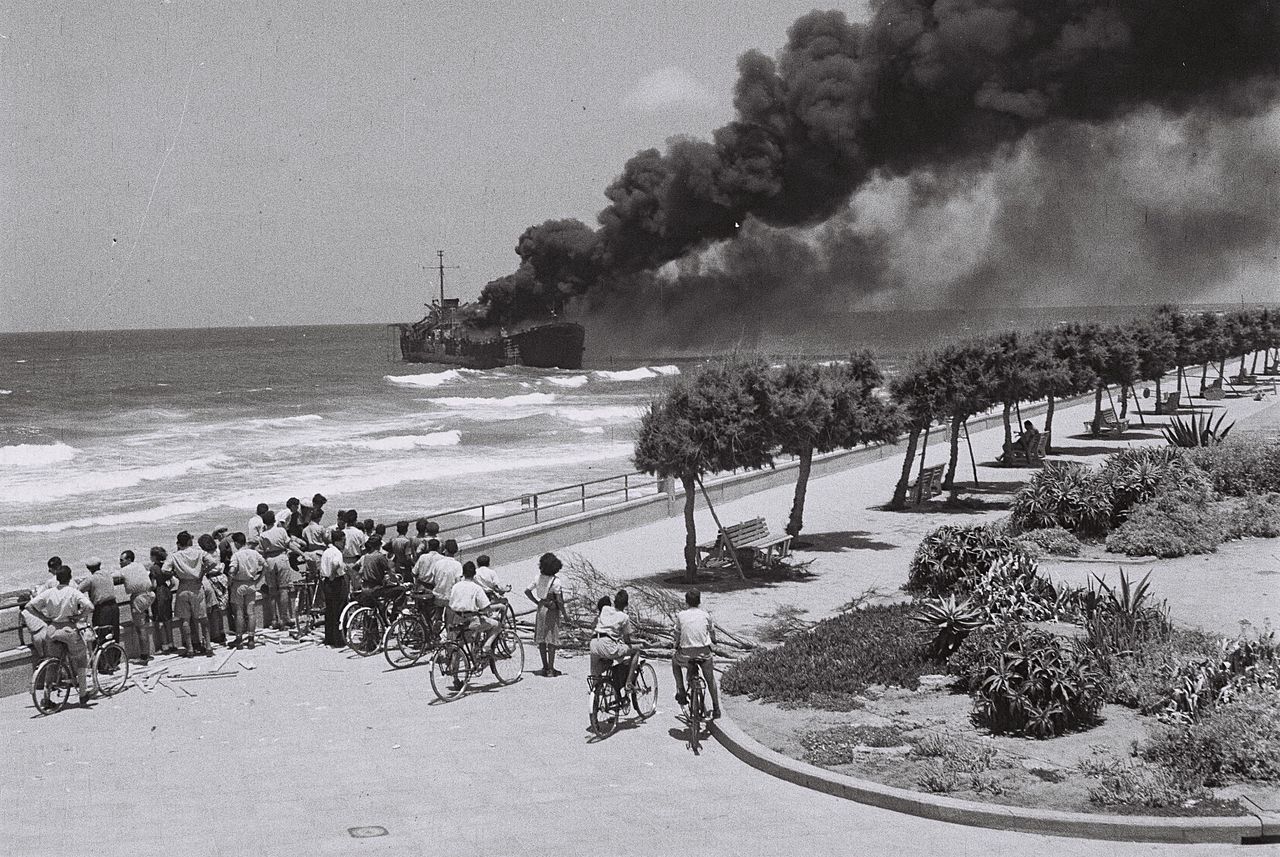
During the 1947–48 civil war in Mandatory Palestine and the subsequent 1948 Arab–Israeli War, Irgun fought alongside and sometimes in tension with other Jewish forces such as the Haganah. After Israel declared independence, many Irgun members were incorporated into the new Israel Defense Forces. A post-independence confrontation known as the Altalena affair highlighted the difficult transition from underground militias to a centralized state army.
Legacy and debate
Irgun's legacy remains contested. Supporters credit it with contributing to the creation of Israel and argue that its actions were part of a national liberation struggle (Zionist context). Critics emphasize civilian suffering and label some operations violent extremism (paramilitary classification used in contemporary accounts). Its history is integral to understanding the end of the British Mandate in Palestine and the polarized narratives that followed.
- Founding: 1931, as a breakaway from mainstream Jewish defense groups.
- Main goals: oppose British limitations, establish Jewish state borders.
- Outcome: disbanded and absorbed into state institutions in 1948; debated remembrance.
Related articles
Author
AlegsaOnline.com Irgun (National Military Organization in the Land of Israel) Leandro Alegsa
URL: https://en.alegsaonline.com/art/48146