
1982 Lebanon War
A major 1982 campaign in Lebanon by Israel—called Operation Peace for Galilee—linked to the Lebanese Civil War and the Israeli–Palestinian conflict, with long-term regional consequences.
Overview
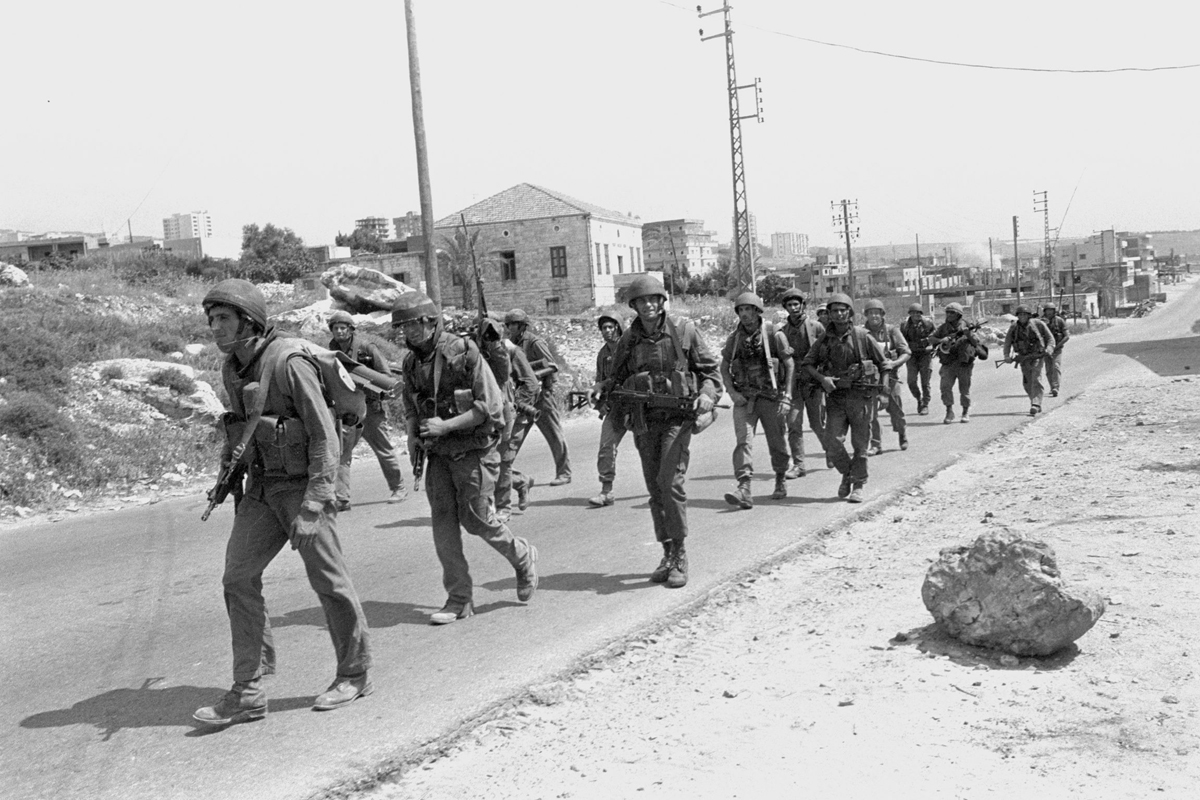
The 1982 Lebanon War was a major military campaign that began on 6 June 1982 and is commonly described as part of both the Israeli–Palestinian conflict and the Lebanese Civil War. Israel launched the offensive, which it termed Operation Peace for Galilee, to remove armed Palestinian factions and other hostile forces operating from Lebanese territory and to secure northern Israel against cross‑border attacks. The invasion drew in multiple local and regional actors and set off a cascade of political and humanitarian consequences.
Image gallery
10 Images




Causes and immediate trigger
The war followed years of cross‑border violence in southern Lebanon and increasing clashes between Israel and armed Palestinian groups based in Lebanon. On 3 June 1982 an assassination attempt wounded Israel’s ambassador to the United Kingdom, Shlomo Argov. The attack was claimed by a splinter group, but the Israeli government blamed the PLO and used the incident as the immediate pretext to undertake a large‑scale military operation. On 6 June the Israel Defence Forces (IDF) began operations, advancing into southern Lebanon and beyond; the IDF described this action as an effort to push hostile forces away from its border and to reshape the security environment around northern Israel.
Major phases and conduct
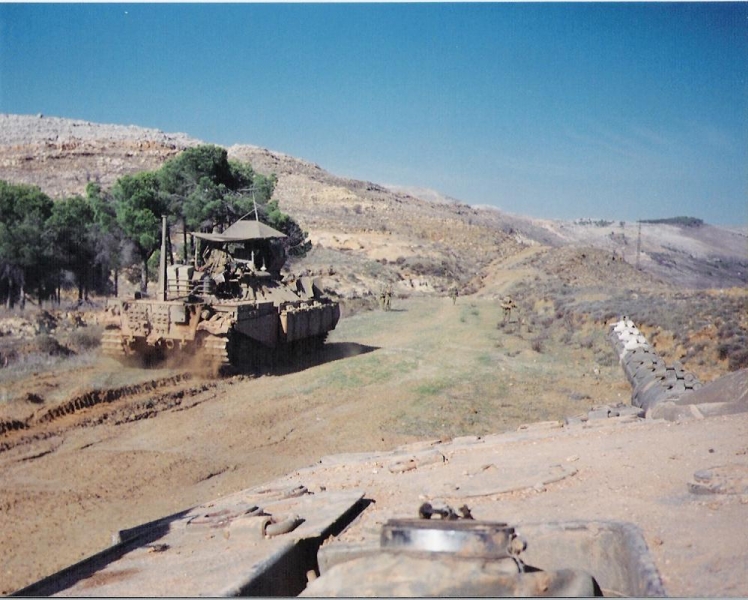
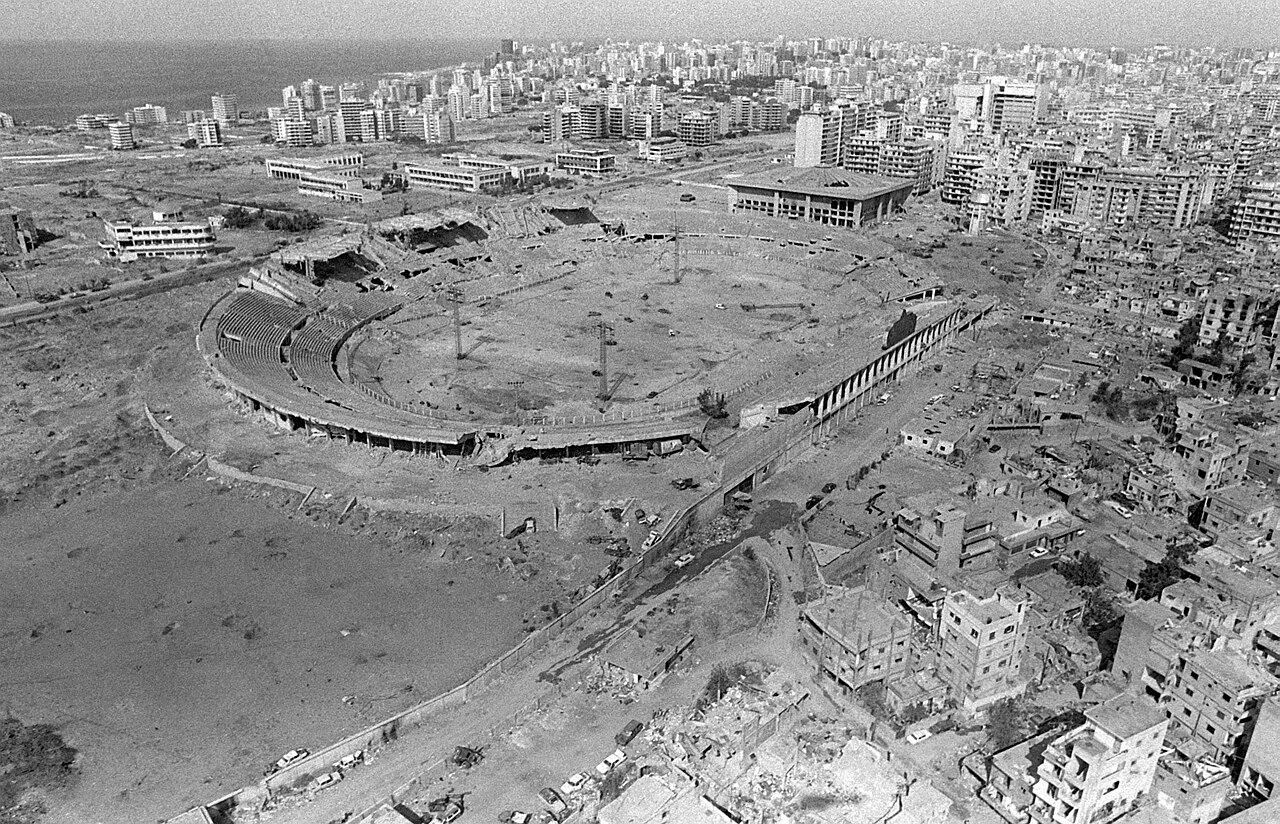
The campaign progressed from incursions into border areas to a broader advance toward Beirut, involving prolonged battles, artillery and air strikes, and urban combat in and around major towns. The fighting involved Israeli forces, Palestinian armed groups, Lebanese militias, and Syrian units operating in the country. The siege of Beirut and surrounding operations led to intense international attention and diplomatic efforts. Under negotiated arrangements, the main PLO leadership eventually evacuated Beirut for other countries under a multinational supervision program.
Notable events and controversies
- Israel’s stated objectives included neutralizing armed groups that launched attacks into Israel and establishing a more favorable security arrangement along its northern frontier.
- The war coincided with violent episodes involving Lebanese militias; most notably, the massacre of civilians in Palestinian refugee camps by Lebanese forces allied to Israel sparked widespread condemnation. Subsequent Israeli inquiries found Israeli authorities bore some responsibility for failing to prevent the killings.
- International diplomacy produced a multinational presence in Beirut and arrangements for PLO withdrawal, but the intervention did not produce a lasting political settlement in Lebanon.
Consequences and long-term impact
The 1982 campaign reshaped Lebanon and the region. It deepened the Lebanese Civil War’s complexity, produced extensive displacement and civilian suffering, and altered political alignments inside Lebanon. Israel maintained military influence in parts of southern Lebanon for years after the invasion, including a self‑declared security zone that lasted until 2000. The occupation and the wider conflict environment also contributed to the emergence and consolidation of new armed groups who opposed the Israeli presence.
Legacy and historical assessment
Historians and analysts view the 1982 Lebanon War as a pivotal event with mixed outcomes: tactically it achieved some Israeli goals, but strategically it produced unexpected resistance, political cost, and human tragedy. The operation is frequently examined in studies of the Israeli–Palestinian confrontation, the Lebanese Civil War’s evolution, and the broader dynamics of regional intervention. For further context see materials on the state of Israel, the military actions undertaken during the campaign, broader developments within Lebanon, and the impact on the PLO's reputation and Lebanese society. Official and scholarly inquiries, including internal Israeli investigations such as the Kahan inquiry, examined responsibility and led to political repercussions within Israel and critiques abroad.
Key terms and actors referenced above include the ambassador who was attacked, the shooting that precipitated the crisis, and the invasion itself. For a concise chronology and lists of principal events and outcomes, consult detailed histories and primary sources collected by international organizations and governments participating in the post‑war negotiations and monitoring efforts. Additional resources are available in contemporary press archives and specialized studies of the Lebanese Civil War and regional politics.
Related articles
Author
AlegsaOnline.com 1982 Lebanon War Leandro Alegsa
URL: https://en.alegsaonline.com/art/112177
Sources
- cdi.org : "In the Spotlight: PKK (A.k.a KADEK) Kurdish Worker's Party"
- xs4all.nl : "Abdullah Öcalan en de ontwikkeling van de PKK"
- niqash.org : "a secret relationship"
- bestinlebanon.com : The May 17 Agreement
- mfa.gov.il : 114 Agreement between Israel and Lebanon- 17 May 1983
- mfa.gov.il : "The Lebanon War: Operation Peace for Galilee (1982)"
- newyorker.com : "Another Siege: Israel's War on the P.L.O."
- vancouverdesi.com : "Today in History – June 3"
- books.google.com : Encyclopedia of terrorism